
The North West of England is a center of excellence for children’s drama. CBBC is at MediaCity in Salford and Northern English Indies make shows including Wolf Blood, Hank Zipzer, The Evermore Chronicles and the eagerly anticipated The Worst Witch.
But what are the secrets of success behind those hit brands? I went along to RTS North West’s event last week to find out…
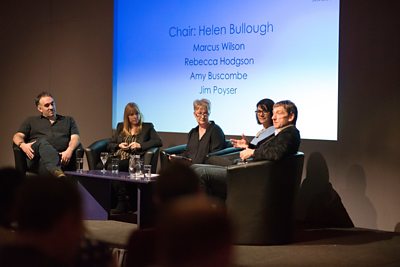
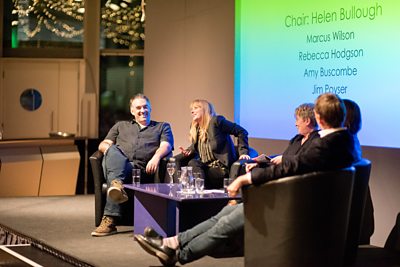
On the panel were the Executive Producer of The Worst Witch, Marcus Wilson (Doctor Who); Senior Drama Producer of CBBC Independents, Amy Buscombe (So Awkward, Jamie Johnson); Lime Pictures Head of Drama, Rebecca Hodgson (The Evermore Chronicles, Rocket Island); and Writer and Producer of Hank Zipzer, Jim Poyser. The panel was chaired by the Head of CBBC Production, Helen Bullough.
Helen kicked it off by asking the panel about their current projects:
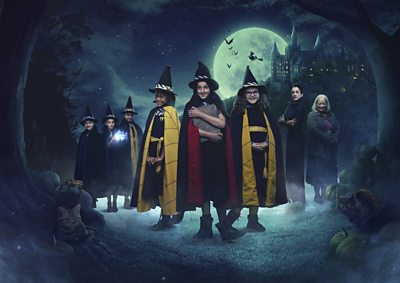
Marcus Wilson is working on the adaptation of The Worst Witch which is due to broadcast beginning in January 2017 and is one of the most ambitious shows CBBC has done.
Rebecca Hodgson is working on an untitled ‘mystery horse’ project for Netflix currently being filmed in Cheshire, as well as the 2nd series of The Evermore Chronicles for Disney.
Amy Buscombe is working on the football-focused drama Jamie Johnson that first broadcast at the start of Euro 2016, and is currently in production on series two. It has quite a different tone from the other shows on CBBC and is made by Short Form Productions as their very first production for TV. It is a promising success story for new Indies.
Jim Poyser is producing Hank Zipzer’s 4th series and Christmas film.
Good children’s drama must be relatable…
Helen asked the panel “What makes a successful kid’s drama?” They all agreed that relatability is crucial, as children want to see their lives reflected back at them. Even if it is at one step removed from reality through magic, aliens or witches, the story can still explore universal themes and make it possible to deal with some quite tough subject matters.
Rebecca is a big fan of those shows that parents want to watch with their kids, so for her it is all about having relatable parents and families. There also needs to be a common thread and a sense of mystery that keeps the audience coming back each week. The Chronicles of Evermore is a good example, with a different ‘baddie’ in each episode. The shows that work best for kids are the ones where the kids strive and win through an adventure. They may experience trouble in their world but instead of their parents sorting things out it’s up to them. This is a key ingredient of many successful children’s shows.
Amy stressed the importance of the kid’s eye-line as she receives many pitches that have children in them but where the story is not focussed from their viewpoint. It needs to be told with their voice and the children need to push the story forward or have the dramatic agency.
Kids and grown up drama are more similar than you think…
Marcus made the point that fundamentally all drama, whether for adults or children, is about telling a good story. You want characters that you identify with, invest in and take you into a world that you’re interested in. Appealing to a family audience is the same for every drama.
Jim echoed this, and having worked extensively in adult comedy he explained that in order for any comedy to work, alongside the world of jokes, funniness and stupidity, there needs to be an emotional reality underneath and characters you care about, no matter how puerile they are. CBBC’s Hank Zipzer has a lot of silly things like custard pies in faces, cars blowing up etc. but at its heart it is about a boy with problems at school and how he deals with his slight learning difficulties.
Marcus felt that children’s audiences are a lot tougher; once you’ve lost their interest and engagement they’re gone forever. Sometimes we underestimate how much kids are willing to stick with a story and interrogate it – a good example Marcus gave was when he worked on Doctor Who they had a maxim “make it simple enough for the adults but complicated enough for the kids.”
Adaptations – the opportunities and challenges…
With so many adaptations around Helen asked the panel why they continue to do so well. The panel felt that character and proof of concept are the main reasons - they all have a central protagonist that audiences have already fallen in love with.
Amy mentioned Tracy Beaker as a good example of how a central character can be taken forward in a new medium.
Marcus explained that one of the biggest challenges of adaptations is finding a way to make them accessible to a contemporary audience. Good writers should be able to distil the spirit of the original source material and extrapolate and interpret it for a modern audience and medium, as TV today is very different from novels of forty years ago. Marcus also discussed the vital importance of working with authors when adapting their work, and how the author of The Worst Witch was heavily involved throughout the development and production process from decisions on casting through to storylines.
Develop ideas that feel new and different…
When considering novels for adaptation, Rebecca asked ‘What is new and different from anything we’ve seen before?’ The challenge is to come up with something that feels fresh. Rebecca told a funny anecdote about how the idea for the mystery horse show she’s just finished filming for Netflix came about. A teacher friend told a writer she’d overheard her female students discussing what sounded like their exotic boyfriends with amazing sounding names, but later realised they were talking about their horses. This was the genesis of the idea that was then developed into a show about the relationship between girls and their horses. Inspiration really can come from absolutely anywhere!
Digital and 360 degree storytelling…
One of the biggest changes in children’s drama is the rise of digital content and multi-platform storytelling. The children’s audience consumes content across various devices. It’s vital to consider 360 degree content around and in a show. This could be anything from games to quizzes to iPlayer exclusives.
Amy described the different ways that CBBC are extending the reach of their shows and their move into social sites such as YouTube and Facebook. Shows need to include material that’s not only going to work on TV but on the various other CBBC platforms. Digital content can deepen and enhance a narrative, for example Marcus referred to Wolfblood’s Jana Bites which are short dramas that sit around the narrative and illuminate points with highlights to smaller characters.
One of the great things about digital content is that not only is it a good breeding ground for testing out ideas but also a fantastic training ground for showcasing new talent.
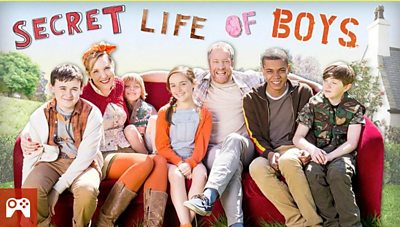
CBBC’s Dixi and Secret Life of Boys were mentioned as examples of digital first shows that are inherently interactive. Amy spoke about CBBC trying to look at other ways to tell stories digitally that aren’t quite so reliant on video. Wolfblood’s interactive comic was raised as a good illustration.
Trends in the Industry…
Helen finished by asking the panel about big trends and things coming up that we should look out for in children’s drama:
The importance of having hooks is more vital than ever - Netflix and other platforms have led to people looking for stories that you keep coming back to; and being fleet of foot in digital storytelling is crucial.
