
The first rule of fight club is don’t talk about –
Sorry, wrong room.
The first rule of writing is that you have to start somewhere. Very often, when we read about successful writers, it’s easy to imagine that they were always destined to be great, with talent and luck on their side.
Talent and luck have their role to play. But behind every success, there are usually a lot of failures. Years of failures, maybe. Stacks of rejections. Petri dishes of disappointment, multiplying into yet more disappointment. Picnic hampers of shame.
I very recently got my first broadcast credit as a comedy writer. When I think back to how it happened, all of the above is definitely true.
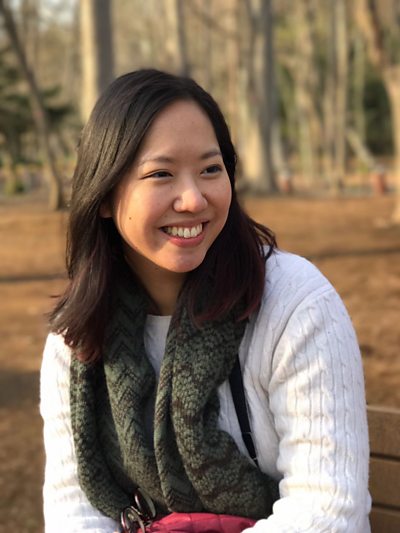
I grew up wanting to be a writer, but I wasn’t sure exactly what kind of writer. After university, I did bits and pieces: writing short stories and short films, trying stand-up comedy. Then, a few years ago, I started submitting jokes to Newsjack, the BBC’s radio comedy show which accepts submissions from anyone.
I submitted week after week, and heard nothing. When a new season started, I submitted again. Then, one day, a producer emailed me. He had some bittersweet news, he said: one of my jokes had been selected for the week’s script, but it had been cut from the broadcast version.
My joke had been good enough to be picked out from the submissions, but still – good wasn’t good enough. At this point, I could have been frustrated or encouraged. I decided on the latter, and I kept submitting. Unfortunately, I didn’t get any more emails. Had I peaked with a one-liner joke? I hoped not.
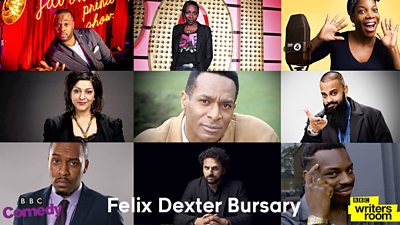
In 2017, the BBC launched the Felix Dexter bursary for BAME comedy writers. Again, I applied. Again, I was rejected. But this time, the rejection was definitely encouraging: I made the shortlist, out of over a hundred applicants, and then I got through to the final stage of interviews with Sarah Asante, the Commissioning Editor for Comedy at BBC Three, and Shane Allen, the Controller of Comedy Commissioning at the BBC.
The BBC Writersroom made the effort to keep in touch with me after that process, so I got an email in late 2017 about a new sketch show that was looking for writers. I submitted three sketches, two were selected and one of them – hallelujah – made it to the broadcast edit.
By now, I knew it was possible to come very close to something and still miss out, so I didn’t tell anyone. Even after the producer confirmed one of my sketches was going to be included in the first episode, I sat on the good news. After all, I thought, they might change their minds. Or the world might end. One of the two.
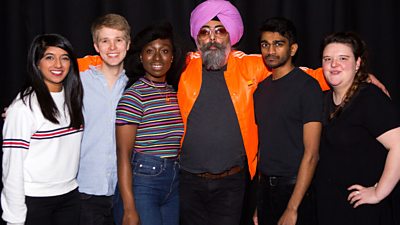
In the end, though, my sketch was broadcast on Sketchtopia, BBC Radio 4’s new sketch comedy show, and here I am, writing a blog post about it.
The feeling of writing comedy for the BBC is amazing, and it’s also surreal. I grew up watching BBC comedies: one of my earliest memories of TV is the theme song from Only Fools and Horses. Later on, a comedy came along that was particularly special: Goodness Gracious Me.
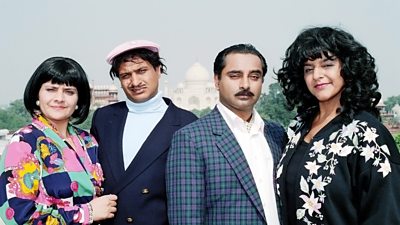
As a Malaysian Chinese girl growing up in a small English city, Goodness Gracious Me blew open the world of possibilities. Suddenly, I was seeing brown people making jokes that I could relate to personally. The one about the competitive mums cuts quite close to home, even now. (Hi mum, I’ll call you back later).
Sketchtopia, the radio show that broadcast my comedy sketch, has roots in Goodness Gracious Me, as well as other great British sketch shows. Because of the BBC Writersroom, I got the opportunity to add my voice to this comedy tradition. So, thanks, BBC Writersroom! If you were a person, I’d buy you a beer.
