
The Foods That Make Billions is a fascinating three-part series, which grabbed my attention as it goes directly to the core issues which affect the development of markets for branded products from a very practical viewpoint.
I'm a senior lecturer in retail management and this new series is valuable to me from a teaching perspective because it brings alive a whole range of marketing concepts. The series encapsulates in moments many ideas, making theoretical principles easy to understand.
I'm also one of the academic consultants on the series, so have attended concept and production meetings, offered advice on the focus of the series, read transcripts and fact-checked the content.
The really exciting part was watching the rushes as this is when the programme really started to take shape. Each episode focuses on a different foodstuff - bottled water, yoghurt and cereal.
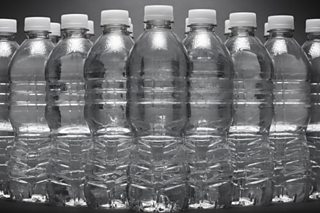
In the UK, we have clean water available on tap and yet we spend our hard-earned cash buying two billion litres of bottled water every year. The food industry has become very adept at repackaging basic commodities and selling them to us to make significant profits.
Episode one, Liquid Gold, looks at many core branding concepts and draws us into the unfolding story of the development of the multi-billion dollar market of bottled water.
In the programme, Professor Richard Wilk, who teaches anthropology at Indiana University, makes the point that in the past, water was blessed by holy people and given power. Now he says the power is bestowed on water by corporations, governments, celebrities and brands.
The question of whether water has mystical connotations is interesting. Water is an essential commodity - without it you die. So there are perhaps rational arguments for raising water up to a holy status.
Liquid Gold shows how entrepreneurs and multinational corporations like Nestle, Evian and Coca Cola have turned this naturally occurring and life-saving drink into successful brands, and arguably encourage us to worship the brand by drinking bottled water - as if part of a new religion - daily during work, exercise and relaxation.
Is it immoral to build mega brands of bottled water while parts of the world are dying of thirst? Not having access to water is wrong in a world of excess, but so is not having food to eat, a place to work and earn a living, and a safe place to live.
Successful use of marketing and branding techniques has helped global corporations to create seemingly insatiable demand for bottled water in parts of the world. But bottled water is only part of a much bigger picture of social injustice between those individuals who 'have' and who 'have not'.
Most likely, there are suitable answers to many of the world's problems but while solutions are contingent on business success that is measured in financial terms we are unlikely to find answers which will give everyone access to a drink of water and a plate of food.
So water is no different to the commercialisation of many other commodities. It's just that in the UK, many of us are prepared to buy into bottled water brands to satisfy our daily needs rather than drinking from the tap, without much consideration of the sacrifices and wider impact of this act of consumption. The Foods That Make Billions gets into many of these issues and raises questions for us all to think about.
Dr Fiona Ellis-Chadwick is a senior lecturer in retail management at The Open University and an academic consultant on The Foods That Make Billions.
The Foods That Make Billions is on BBC Two at 9pm on Tuesday, 23 November.
For further programme times, please visit the upcoming episodes page.
Comments made by writers on the TV blog are their own opinions and not necessarily those of the BBC.

