

Crucial weeks for establishing swine flu pattern
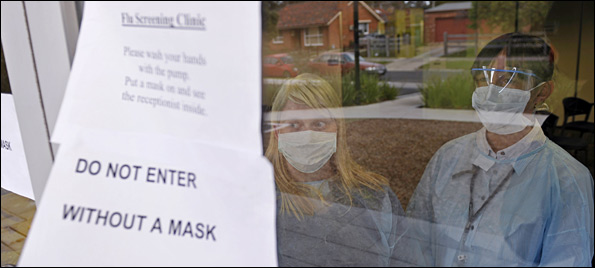 Another day, another 204 laboratory confirmed cases of swine flu. Together with the 60 cases reported in Scotland on Sunday it brings the total for the UK to 2,773.
Although it's a drop in the ocean compared to the 30,000 - 300,000 cases of seasonal flu we might expect in any one year, it is higher than many experts were suggesting. The predicted "dip", or lull in the storm, before swine flu surges back in the autumn doesn't seem to be happening.
That's put the UK fifth in the World Health Organisation's global league table for swine flu infections. The total number of confirmed cases worldwide has risen to 52,160 - up 7,873 since Friday - with the number of deaths increasing by 51 to 231.
So what's going on?
Inevitably, experts disagree about the significance of the latest figures. It could be that all the publicity about swine flu is distorting the figures, or that the virus is even more easily transmitted than had been assumed.
Most do agree that the next few weeks will be very important in establishing a pattern for the spread of the virus, and Australia (where the annual flu season is already underway) could hold the key.
In order to see this content you need to have both Javascript enabled and Flash installed. Visit BBC Webwise for full instructions
The first cases down under came later than in the UK, but the rate of infection is rising. The WHO figures put the total number of confirmed cases at 2,436. So far just one person has died.
Thankfully the figures do seem to confirm that most people infected with the swine flu virus have experienced only mild flu-like symptoms - fever, fatigue, lack of appetite and coughing. Some people have also reported a runny nose, sore throat, nausea and vomiting. In only a very small number of cases the symptoms have been more serious -requiring admission to hospital.
One interesting issue concerns the rates for unreported cases. A recent study by the Centers for Disease Control in the US estimated that as many as 19 out of 20 cases of swine flu might be going undetected.
Reassuring news if it means these people are not ill enough to bother going to see their doctor.

 I'm Tom Feilden and I'm the science correspondent on the Today programme. This is where we can talk about the scientific issues we're covering on the programme.
