

Salmon run
The spring salmon run gets going over the next few weeks: tens of thousands of young fish charging downstream and out to sea on the first leg of a journey that will take them as far as the coast of Greenland in the north Atlantic.
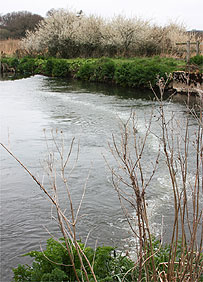
It's one of nature's great migrations. But how many of those fish can we expect to see back as adults in years to come ready to spawn in Britain's rivers?
The Atlantic salmon has suffered a dramatic decline over the last 30 years. Numbers are estimated to have fallen by as much as 70% - a population crash that's been blamed on overfishing, pollution and disease in the marine environment.
But scientists working on the River Frome in Dorset are not so sure.
Biologists working at the East Stoke Fisheries Research Station have been studying salmon for more than 40 years. Now, in a project lead by the Game and Wildlife Conservation Trust, they've embarked on the biggest fish tagging and monitoring programme ever undertaken.
In all, 50,000 fish have already been tagged, and Dr Anton Ibbotson, who's leading the project, already has one possible culprit - climate change.
The warmer weather we've experienced in recent years has increased growth rates for juvenile salmon, and Dr Ibbotson has recorded a dramatic increase in the size of fish leaving for the sea.
But these "early developers" are still relatively young, and it may be that they are too immature to survive in the marine environment.
 I'm Tom Feilden and I'm the science correspondent on the Today programme. This is where we can talk about the scientific issues we're covering on the programme.

Comments Post your comment