

End of the road for speed cameras?
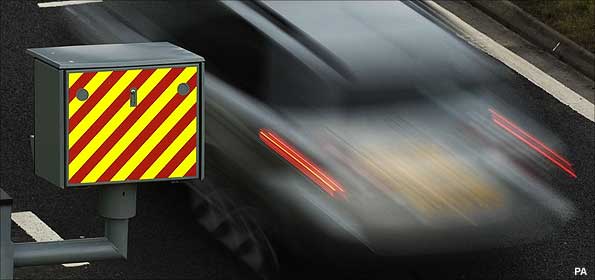
We've been described as the speed camera capital of Europe, with the number of speed cameras in this country trebling in the past decade.
But could it soon be the end of the road for these controversial contraptions?
The Government has indicated that it will no longer fund the installation of new fixed-point speed cameras, which may, or may not be good news depending on your point of view.
In recent times, more than £100m a year has been raised from speed camera fines. That money goes straight to the Treasury - which then distributes grants to local road safety partnerships run by police, councils and other organisations - who decide where to locate new cameras.
Lincolnshire's Road Safety Partnership told me that fixed-point speed cameras have been a deciding factor in cutting the number of road casualties in the county over the past decade by 50%. They also use mobile speed cameras in areas which are regarded as accident blackspots.
Other campaigners have welcomed the move, such as a professional driver from Hull, who suggested to me the real reason no new cameras will be funded is because they no longer generate enough revenue as most drivers know where they are located and therefore know when to slow down.
In future, any new fixed cameras will have to be funded from local budgets. No longer will they be bankrolled by central government.
It's a move which will delight many drivers who believe they are stealth tax on motorists.
But there is opposition from some road safety groups, including the Huddersfied-based organisation, Brake, which has described the speed camera cuts as "a trip back to the dark ages".
 I'm Tim Iredale, the BBC's Political Editor in Yorkshire and Lincolnshire and presenter of the regional Politics Show. This is strictly a "no-spin" zone where the political viewpoint is more Humber Bridge than Westminster Bridge. Your comments and observations are more than welcome.

Comments
Sign in or register to comment.