

How big business copes with recession
A quintet of famous British companies reporting this morning paint a vivid picture of the global recession.
It confirms what we know: the past few months have been pretty horrible; but there are signs in some nooks and crannies (not all) of an incipient recovery.
The horrible big number comes from the property giant, Land Securities: a loss for the year to 31 March of £5.2bn. Ouch.
But here's the better news.
Land Secs has raised £756m of new equity from shareholders. Among the trends that reassure me at the moment is the willingness of investors to recapitalise substantial viable businesses by supporting rights issues and taking new shares in placings.
And although Land Secs says vacancy rates in its buildings will continue to rise and rental income will continue to fall, it is hopeful that "investment property pricing may reach a turning point ahead of the rental markets".
There are already signs of buying interest, it says, in well-let prime properties, because of the "yield gap" between property and gilts or cash on deposit.
Which is just one manifestation of the colossal amount of cash that investors are ready to invest, and are beginning to invest, as their appetite for risk improves.
Another very scary number came from Trinity Mirror, owner of the eponymous national tabloid and regional newspapers. For the 17 weeks ending 26 April 2009, its advertising revenue fell 30% - with regionals suffering an eyewatering 36% drop.
The rate of fall moderated a bit in the latter couple of months for the regionals, but accelerated slightly for the nationals.
Rather better news, however, is that circulation revenues fell "only" 4%.
Which highlights the sterling job that consumers are doing in continuing to spend, while businesses are slashing their expenditure.
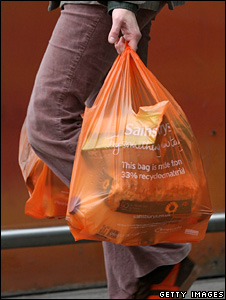 Sainsbury has been a beneficiary: it has been able to announce strong sales growth of 5.7% for the year to 21 March and "underlying" profit before tax up 11.3% to £543m.
Just think how awful our recession would have been if British households hadn't spent a chunk of the wonga handed them by the Bank of England through cuts in what they pay on their mortgages and personal loans.
That said, some would say its disturbing that households aren't yet saving more to reduce their record levels of indebtedness (equivalent to around 170% of disposable income) - since that presages potentially sharp cutbacks in spending and rises in saving, as and when interest rates rise and when individuals have the confidence to make slightly more risky investments.
Even so, Legal & General reported a bit of growth in the first three months of the year in its UK savings business.
Finally strong profits growth from Compass tells the other great story of our time: the resilience of public sector expenditure in the UK and across the world, as the Keynesian counterweight to shrinking private-sector demand.
Because Compass has a big business providing catering and food services in schools and hospitals.
But, of course, with public-sector debt rising to levels regarded as unsustainable by many in the UK and the US, today's public expenditure resilience may well be followed - in a year or two - by slash and burn.
Which simply says that if a turn in the economy isn't too far off, the recovery may be somewhat anaemic (at best).
And for many business, finding profits will continue to be something of a challenge.
 I'm
I'm 





Comment number 1.
At 09:32 13th May 2009, mcgrathbryan wrote:The company I have the dubious pleasure of holding that has reported this week is Lonmin. A thumping loss plus a rights issue, which is busily being shorted by the private equity firms. The report issued at the same time as the rights issue is only hoping for platinum prices to "start to rise in 18 months time" ouch indeed.
I never trusted the banks (and never will, they always lose money every 10 to 15 years) but I did buy into the BRIC economies decoupling.
Some you win, some you lose
Complain about this comment (Comment number 1)
Comment number 2.
At 09:33 13th May 2009, Horned_Devil wrote:I've read it and re-read it - not a single mention of a bank? Am I on the wrong website?
Complain about this comment (Comment number 2)
Comment number 3.
At 09:42 13th May 2009, John_from_Hendon wrote:Robert
"an incipient recovery" - No.
There can be no recovery without sound money (that is interest rates in the 4 to 6 percent range.)
A pseudo 'recovery' with an insanely low price of money is nothing more or less than a fraud! All that is happening is that money is being siphoned from the 'wealthy' into the hands of 'poor' businesses. This is no definition of a 'recovery' in the sane World.
Complain about this comment (Comment number 3)
Comment number 4.
At 09:59 13th May 2009, Kudospeter wrote:Thankfully the recession does seem to be in line with the gloom and doom merchant's predicitons.
Although you are concentrating on very large business there is still activity out there for SME's who are providing the goods and services people want at the correct price and quality
However anybody who hoped that it would just be a few months of pain and then back to where we were are just plain not facing up to the level of debt the country is in. This of course will take many years to correct but is looking more and more the correct stratergy to have entered into
Complain about this comment (Comment number 4)
Comment number 5.
At 10:03 13th May 2009, oldsandbanker wrote:I think you are right about mountains of cash waiting to be put into the market. Low interest rates in deposit accounts mean that money is looking for new homes. During the bear market this cash has just been building up and festering. The big question is when to make the move?
Complain about this comment (Comment number 5)
Comment number 6.
At 10:05 13th May 2009, Cityunslicker wrote:Surely the real story is the imapct this poor set of results will have on unemployment. The numbers out yesterday were terrible.
It is interesting to note from the above too that the new jobs are being created in retail and catering - very low wage business, whilst those being lost are often the better paid positions.
This bodes hadly for all of us and also for the tax revenues of the Government. Low paid employees end up being net receivers of tax, not contributors.
Complain about this comment (Comment number 6)
Comment number 7.
At 10:13 13th May 2009, wykhamist wrote:I fail to see why the fact that the great British public are continuing to spend using borrowed money is any great cause of joy.
While this reduces the effect of the recession in the short term it does nothing to improve the long term position. The only long term solution for our problems is for debt to be paid off and for people to produce stuff that is actually useful and saleable abroad.
There really does seem to be a concerted effort right now to 'talk up' the market. The reality is that unemployment is continuing to rise, assets prices are continuing to fall, living costs are going up and the national debt is increasing. The fact that the second derivative of GDP is positive is really neither here nor there.
Complain about this comment (Comment number 7)
Comment number 8.
At 10:23 13th May 2009, Mr_Casalingua wrote:Hmmm. Your comment about how encouraging it is to see investors subscribing for the Land Secs rights issue belies a worrying misunderstanding of the broader situation.
The rights issue was at a HUGELY discounted price - 270p/share vs the then share price of 570p, and set against a 12-month share price high of almost £18. You have to remember that the battered pension funds and insurance companies have to have SOMEWHERE to invest their money, given that they've withdrawn huge chunks of it out of the secondary markets at a great loss. And since they're predominantly active money managers, they can't really just sit on the money in the form of cash deposits or even gilts.
So, with that in mind, if you make something cheap enough, you can get anyone to buy it if they have any kind of an appetite to buy things in general. The investors who so "encouragingly" bought the Land Sec rights issue most likely calculate that Land Sec's asset value is unlikely to slide to less than half of its pre-rights market cap, even with ongoing uncertainty in property markets. Therefore it makes commercial sense to snap up these ultra-cheap new shares. The big losers are Land Secs' smaller existing shareholders, who've seen massive amounts of value destroyed over the past few months.
I'm guessing you may have been led to your conclusion that this rights issue was a splendid thing all round by either the PR machine behind Land Secs or perhaps the No10 Communications Office, Because any cogent analyst would have seen through the PR puff and recognised it for what it really was - a desperate means by which a company in deep financial trouble had to raise cash at any cost.
Complain about this comment (Comment number 8)
Comment number 9.
At 10:24 13th May 2009, moraymint wrote:"That said, some would say its disturbing that households aren't yet saving more to reduce their record levels of indebtedness (equivalent to around 170% of disposable income) - since that presages potentially sharp cutbacks in spending and rises in saving, as and when interest rates rise and when individuals have the confidence to make slightly more risky investments"
Herein lie the seeds of the next crisis. All we have done by shoring up and/or underwriting the banks with taxpayers' cash and by printing money is to give ourselves an ever bigger problem in future.
Like I've said so many times here before, our assumptions about our future economic wellbeing ("growth") are predicated almost exclusively on the there being infinite supplies of cheap energy and other commodities.
As economies pick up around the world, energy and commodity prices will inflate which will cause general consumer inflation at home (it's still lurking in the economy now). When inflation bites hard and interest rates have to go back up, we'll see if the "incipient recovery" holds.
My view remains that at the level of economic strategy, all our politicians have done is punt the day of reckoning (wholesale, unadultered deleveraging) in to the future. Debt at 170% of disposable is quite simply unsustainable. At some point soon, we're going to have to learn to live without the assumption of aggressive, endless economic growth predicated on infinite supplies of cheap energy.
Oil and commodity prices are rising again already. Deleveraging will come and I suspect the next "credit crunch" will look more like a "credit shock". The only question now is when?
Complain about this comment (Comment number 9)
Comment number 10.
At 10:27 13th May 2009, VentilatorBlues wrote:We got into this mess with fantasy growth figures (produced by governments and believed by everyone) of 3% allied to public/private debt of 6-8% of GDP. We will "come out" of this with growth of 3% and public/private debt of 15-20%.
There are 2 different things occurring -
1) an economic re-alignment as great as anything that has happened since WWI
2) An associated recession which will ebb and flow as confidence and bailouts ebb and flow.
Confusing an improvement in 2 with the end of 1 is rather silly. Watch China slowly pull out of US treasuries and watch their yield slowly rise - if it ever gets above 5% then what will happen will make what has happened look like a £50 loss on the gee-gees.
Complain about this comment (Comment number 10)
Comment number 11.
At 10:35 13th May 2009, britishpcrepairs wrote:Someone please correct me if I am wrong but from whatever I have understood in the last 18-24 months (I used to work in a hedge fund as Data Manager) is that the housing market IS inflated. Assets have been grossly overvalued to inflate the securities that could then be used to bundle them and sell them.
If that is correct then why is the housing market (or the assets) coming down severly in price? To this date in big affluent parts of south east England the prices have barely moved. I wouldn't consider a 11-12% correction as a "real correction" given the massive over inflation in the prices that happened in the past few year.
What worries me more is the builders and building socities and investors alike looking for "positive signs" in the housing market which is taken to be a further rise in the already inflated prices.
If I am correct in my thinking then we can look for a sharp decline in property prices somewhere towards the Q3 of 2010.
Complain about this comment (Comment number 11)
Comment number 12.
At 10:41 13th May 2009, chriss-w wrote:Ok - we know that Government spending is going to 'hold up' until after the election next year since they will borrow whatever it takes to achieve this. We also know that the property market is in a mess and that all companies in the private sector are cutting back on anything they can.
Which brings us to the curious question of the consumer. For the time being there is little sign that people are cutting back their expenditure and saving for a rainy day (even though it is alrady raining). Can anyone explain this? Is it anything more than "eat drink and be merry, for tomorrow we die".
Complain about this comment (Comment number 12)
Comment number 13.
At 10:47 13th May 2009, mrsbloggs13c2 wrote:"Just think how awful our recession would have been if British households hadn't spent a chunk of the wonga handed them by the Bank of England through cuts in what they pay on their mortgages and personal loans."
Which British households, precisely, are you talking about?
Those with fixed rate mortgages?
Those without a mortgage or personal loan?
Those with savings?
Those that needed reductions to be able to fund their mortgages at the end of a cheap fix when they couldn't re-mortgage.
This is not to say that some haven't benefited but really, the real beneficiary of lower interest rates is HMG
BTW, can I suggest some eyedrops for the daily eyewatering
Complain about this comment (Comment number 13)
Comment number 14.
At 10:48 13th May 2009, BobRocket wrote:Sainsbury and the other big food retailers posting increased profits comes as no surprise to anybody that has to eat, food price inflation is currently running at around 18%.
Fuel prices are starting to rise again.
Only the price of flat-screen TVs and new cars is falling through the floor and as these items are included in the calculation of rpi then headline 'inflation' is low/falling, the reality is that people on lower incomes are paying huge increases for the basic necessities.
That Sainsbury only increased sales by 5.7% shows that even their economy is shrinking in the grand scheme of things.
The question that should be asked is how much improvement in sales after (real) inflationary effect
ie. did they sell 5.7% more loaves of bread at the same relative price ?
A Million Pounds or More - don't waste your vote, give it to charity
Complain about this comment (Comment number 14)
Comment number 15.
At 10:52 13th May 2009, Wee-Scamp wrote:Somehow the fact that a property developer is facing problems fills me with some hope. After all, they act like bankers with concrete mixers.
Complain about this comment (Comment number 15)
Comment number 16.
At 11:02 13th May 2009, thinkb4 wrote:Thank goodness for the random benifits of Keynesianism, if it wasn't for that and the hit and miss windfalls in tracker mortgages (regardless of whether or not you've lost your job or are very well paid)... where would we be?
Maybe the next gov plan could be to throw cash from a moving car.... it could alternate between Mayfair and Old Kent Road - just to be fair!!!!
I presume Bonuses and Shareholder Div's will be good at Compass this year...... money well spent then!
Complain about this comment (Comment number 16)
Comment number 17.
At 11:02 13th May 2009, GrumpyBob wrote:I pity the poor general public taking up new low
interest debt that they think they can afford today, and at almost free interest, who can blame them, unfortunatly when someone actually gets around to Browns folly of gigantic proportions and interest rates rise again those very people will suffer a huge debt burden once again.
Perhaps short term sales will increase because savers are sick of other people (including the banks) borrowing their money for free ! Might as well spend it ! The trouble there is that it sucks out deposits from the banks so where are they going to find the liquid funds to lend in the future, unless Gordon is simply going to give them even more of our childrens future. The big companies will enjoy the short term boom but who will have money in the future to spend on big ticket items ? (even MP's will not help widescreen sales in the future either ? )
Complain about this comment (Comment number 17)
Comment number 18.
At 11:04 13th May 2009, chris wrote:"Which highlights the sterling job that consumers are doing in continuing to spend, while businesses are slashing their expenditure."
Using the money "borrowed/stolen" from savers and taxpayers recycled indiscriminately to deserving and undeserving recipients via various initiatives trying to save the scrawny necks of this awful government.
A fantastic achievement requiring nil skill.
Personally I will be a lot happier when unemployment stops going up, and businesses start getting orders again.
Until then, it looks like propaganda.
Complain about this comment (Comment number 18)
Comment number 19.
At 11:20 13th May 2009, romeplebian wrote:I'm puzzled, you say you wonder where we would be had it not been for the wonga released by the cutting of mortgage and loan payments, but then you go on to say people are not saving enough ?
cant have it both ways, you know we know, the intended effect was for those who had mortgage cuts to use the money to go out and buy stuff, to keep things ticking over, once this "blip" was out of the way, hike interest rates up to make loads of wonga for the banks, as they are doing now, if you compare base rate to the rates being asked for by the banks they are making more than they ever did and will continue to do so.
Im not saying the above is the right way to go about things its just they way its going, people are not calling the bottom of the housing market, ha false bottom I say, its got some way to go yet.
Complain about this comment (Comment number 19)
Comment number 20.
At 11:27 13th May 2009, moneymouth77 wrote:Good to see the upswing in progress, I think we need to embrace this. Admittedly, we are not out of the frying pan yet, but the fact that we are spending and thus bolstering the economy is only a good thing!
Complain about this comment (Comment number 20)
Comment number 21.
At 11:34 13th May 2009, eatingantonyo wrote:Look at what the consumers are buying. Food and petrol. Some cash rich investors are looking at deeply discounted goods but they will stop when prices fall.
ROBERT -WHERE IS THE REPORT ON THE OFF-BALANCE SHEET ASSETS BANKS HOLD. REPORT!!
Complain about this comment (Comment number 21)
Comment number 22.
At 11:35 13th May 2009, moraymint wrote:# 12 chriss-w
"Is it anything more than 'eat drink and be merry, for tomorrow we die'"
The answer is, "Yes". Take a look at James Kunstler's latest Blog "Decoupling from Reality". His last sentence says, "To put it as simply as possible, we're still sleepwalking into the future".
With debt at 170% of disposable income, damn right we are.
Complain about this comment (Comment number 22)
Comment number 23.
At 11:36 13th May 2009, armagediontimes wrote:The willingness of investors to subscribe to rights issues reassures me too.
I wonder if these would be the same investors that willingly subscribed to the RBS GBP 12 billion rights issue.
I wonder if these investors are fronting these deals with their own money - or whether they may be sequestrating other peoples pensions contributions?
It is good to see that Compass are doing well. What kind of business are they in? Ah yes the business that is producing an obesity epidemic in young people and is contributing to an ever growing number of NHS patients leaving hospitals suffering from malnutrition.
Complain about this comment (Comment number 23)
Comment number 24.
At 11:49 13th May 2009, CRANBROOKKID wrote:Every time I listen to a BBC business report someone mentions 'NEGATIVE GROWTH' - oh well at least some growth then - or are they trying to fool us as well!!
Complain about this comment (Comment number 24)
Comment number 25.
At 11:55 13th May 2009, richarddorset wrote:What happens when a lush pastoral economic landscape becomes more scrub-like? The larger indigineous inhabitants die out, and the lowest forms of flora and fauna struggle on. Only the grazers and migratory animals, who are passing through, can temporarily survive in such an arid landscape and fill the gaps left by those that die out.
Large corporates can draw on resources from outside the local ecomomic conditions. Small businesses cannot. For them to survive, either they become dependant on the large corporates, or the equivalent of reservoirs and irrigation channels (i.e. banks willing to lend, better overdraft facilities) need to be built to re-vitalise the eco-system.
Are we going to end up with an arid economic landscape dominated by global 'big business' who can move out when conditions get tough?
Complain about this comment (Comment number 25)
Comment number 26.
At 12:01 13th May 2009, JavaMan wrote:9 moraymint,
Can you please explain what you mean when you say consumer debt is 170% of disposable income?
Thanks
Complain about this comment (Comment number 26)
Comment number 27.
At 12:10 13th May 2009, JerkDickinson wrote:Recovery! Those 'green shoots' represent little more than a stay of execution. A half-cycle step before the approaching reality.
Complain about this comment (Comment number 27)
Comment number 28.
At 12:18 13th May 2009, Paul_42 wrote:Quote
And although Land Secs says vacancy rates in its buildings will continue to rise and rental income will continue to fall, it is hopeful that "investment property pricing may reach a turning point ahead of the rental markets".
Let me translate that.
we have made a loss, we know its going to get worse, we dont really know when (or if) our position is going to get better, but we need to raise more capital. So well issue a positive message to support our rights issue
Complain about this comment (Comment number 28)
Comment number 29.
At 12:32 13th May 2009, JavaMan wrote:Robert,
I know we saved the banks and stuff, but what is your pal GB actually doing to position this country for an upturn (if it comes)?
If it does not come, what is you pal GB doing to prevent unemployment rising above 5 million?
What is GB going to do with the 600,000 students that are about to leave university? I know McDonalds is expanding but thats ridiculous.
I can just imagine the scene down at the dole office, 'sir we are cutting you benefits cos you havn't found a job'. Then the riots will start or, they will print even more monopoly money to keep the great ponzi afloat.
Complain about this comment (Comment number 29)
Comment number 30.
At 13:12 13th May 2009, sisterkaff wrote:"Even so, Legal & General reported a bit of growth in the first three months of the year in its UK savings business."
Robert, I thought Legal & General were going to make a few thousand redundancies? (Not Cardiff and London) Is that good news then? What's going on? Are you truckling to those who want us to be happy clappy about the situation?
Complain about this comment (Comment number 30)
Comment number 31.
At 13:13 13th May 2009, Steve wrote:I am constantly intrigued that very few blog authors return to their blog to contibute further once the debate has commenced. They simply toss the ill thought out, vaguely accurate, trivia filled paragraph over the wall and move on. On the sports web sites these characters are known as WUMs (Wind Up Merchants) and frankly that description fits this particular blog quite nicely. We must try to take a positive view of our ailing economy, but this should be supported by a sound argument. A lot of the subject matter here is an irrelevance to most people and the rest is blindingly obvious, particularly the Sainsbury's aspect. Oh dear, I appear to have allowed myself to become wound up!
Complain about this comment (Comment number 31)
Comment number 32.
At 13:18 13th May 2009, Luke wrote:#13 mrsbloggs13c2
I'm not sure either, part of my mortgage is now on tracker as a fixed rate deal has recently ended. My payments have gone down, but have been cancelled out by the general rise in the cost of living.
I want my wonga, but the problem is that so does everyone else.
Complain about this comment (Comment number 32)
Comment number 33.
At 13:19 13th May 2009, stanilic wrote:Message 7 wykhamist
Message 9 moraymint
Right on the button.
The fundamentals are just not there for a sustainable recovery.
Complain about this comment (Comment number 33)
Comment number 34.
At 13:35 13th May 2009, writingsonthewall wrote:Robert,
It pains me to do this but I feel I must.
"Among the trends that reassure me at the moment is the willingness of investors to recapitalise substantial viable businesses by supporting rights issues and taking new shares in placings"
Replace "willingness" with "stupidity" and you're just about there. Surely history tells us we're in a bounce and this willingness will only last until the investor works out they're buying into a plummeting market.
"Which highlights the sterling job that consumers are doing in continuing to spend, while businesses are slashing their expenditure"
Sterling job? what like facing down a Lion? The people who continue to spend are the ones who will be bankrupt next year - further impacting the Economy. Yes, a round of applause to those foolish enough to sacrifice themselves and their future generations to a lifetime incarcerated in debt on the say so of the pigs who have raised their snouts from the trough who's only concern is to save their own skin.
"Finally strong profits growth from Compass tells the other great story of our time"
Yes Robert - the story of how despite repeated warnings from history our 'great leaders' accept that passing swathes of public services over to the private sector to profit from the needy is now a fact of politics. Sure we've probably saved the taxpayer the hassle of doing the work Compass does, but at what cost to those who need the service? Who REALLY benefits from public to private conversions?
Still you're looking for the glimmers of hope from the fragmented news Robert, but I'm afraid the only cure for this particular blight on society is time...
Complain about this comment (Comment number 34)
Comment number 35.
At 13:42 13th May 2009, SiriusWonderblast wrote:There has been sufficient prediction already of a plateau and then a second precipice, and your reference to spending suring the low interest rate period we have at present is the key to this. When the rates rise, what will happen to spending? We may still have credit cards, but we also have mortgages, and thank heavens I got a fixed rate even though I may pay slightly more for the minute - I wouldn't want to be on a tracker in a few months time. Then we can look forward to repo's, decimated spending and shrinking tax receipts for an HMG which will be trying to service huge debt and support ever-longer dole queues.
Sorry to come across a bit glum, but Crash really has stuffed up the whole deal.
Complain about this comment (Comment number 35)
Comment number 36.
At 13:53 13th May 2009, JavaMan wrote:27. At 12:10pm on 13 May 2009, JerkDickinson wrote:
Recovery! Those 'green shoots' represent little more than a stay of execution. A half-cycle step before the approaching reality.
What reality is that?
Complain about this comment (Comment number 36)
Comment number 37.
At 14:03 13th May 2009, owhatalovelycrunch wrote:Yesterday I spoke with an acquaintance in the paper industy. He said that demand was down 20%. He also said that their suppliers of recycled paper have experienced a reduction in waste of 20%. This doesn't tally with any sort of consumer stabilisation, but rather it looks like the headline grocers' results are masking a decrease in volume with an increase in prices.
Complain about this comment (Comment number 37)
Comment number 38.
At 14:06 13th May 2009, moraymint wrote:# 26 JavaMan1984
Try looking at the personal/private debt situation in the UK this way then.
Personal debt at Nov 08 stood at ~ £1,456 billion. Average household debt (including mortgages) stands at ~ £59,670 of which ~ £21,875 is unsecured. If the average household has ~ £12,800 per year in disposable income (seems a lot to me), then the average household's unsecured debt is about 170% of its disposable income.
The point is that we're witnessing about one person every 5 minutes declaring themselves bankrupt/insolvent; 124 properties are being repossessed every day. And that's before things get bad.
My concern is that all we've done - well, our politicians and bankers have done - over this past year or so is punt a huge personal, private and public debt problem in to the future and labelled it "Too Difficult".
So, now we're faced with an even bigger debt problem. The Moraymint household has spent the past 12 months preparing for the anticipated fallout from the inevitable debt armageddon. Maybe you should be doing the same?
Complain about this comment (Comment number 38)
Comment number 39.
At 14:06 13th May 2009, writingsonthewall wrote:#8 Mr_Casulinga
"I'm guessing you may have been led to your conclusion that this rights issue was a splendid thing all round by either the PR machine behind Land Secs or perhaps the No10 Communications Office, Because any cogent analyst would have seen through the PR puff and recognised it for what it really was - a desperate means by which a company in deep financial trouble had to raise cash at any cost."
This is a perfect summary of all the rights issues since the crisis began. They have been applauded by Economists, the Government and the media, but in reality each one means "we're desperate" - whilst trying not to sound desperate.
The more that occur, the less likely the takeup will be as keen, especially as investors realise their take-up might be diluted in the next issue - or if the gamble doesn't pay off - pouring good money after bad.
Many experts have elluded to the narrow choice of options investors have - and suggesting that the housing market and equities markets will pick up as a result of this.
However this is not really true as investors have many choices of places to invest - and thanks to low inflation - there is no hurry to do so.
The Government is about to push rates up as it starts to fill it's borrowing requirement, there are many more enticing corporate bond issues - which are more appealing to investors than an Equity purchase in times of uncertainty and of course currency trading.
I have had the opportunity to buy into several of these issues, but have refrained from doing so - mainly because I realise we're nowhere near bottom and the up-turn will be slow and tough. However the biggest indicator that we're noweher near the bottom is that the Government think we are - and 8 out of 10 cats know the Government is usually wrong.
Complain about this comment (Comment number 39)
Comment number 40.
At 14:23 13th May 2009, stmewan wrote:To paraphrase the Governor of the Bank of England "no one can yet know if the UK will return to economic growth".
In the long meantime time the long term debt interests' of the young should be very far ahead of the short term interests' of politicians.
Complain about this comment (Comment number 40)
Comment number 41.
At 14:28 13th May 2009, Optimist wrote:I sometimes wonder how some of you regular bloggers even get up in the morning, such is your unfailingly pessimistic view of the world.
It's a recession - nothing more, nothing less. The only significant difference between this recession and previous ones is that we now have the technology to allow doom-sayers to share their every half-thought with the rest of the world and wind each other up into a hysterical feeding frenzy of pessimism and doom.
So savers are only getting 1% on their savings. So inflation remains stubbornly above the government's 2% target. So taxes might have to rise. So what? There's more to life than money and economics, and some of you need to get out there and experience it.
And for those of you who are able to debate the issues maturely without resorting to reactionary sound-bites... thank you. Your thoughtful posts are a pleasure to read.
Complain about this comment (Comment number 41)
Comment number 42.
At 14:45 13th May 2009, Antiakos wrote:#38 moraymint
That's good then, everyone should be debt free after 1.7 years.
Complain about this comment (Comment number 42)
Comment number 43.
At 14:46 13th May 2009, writingsonthewall wrote:Robert,
It would seem the overwhelming opinion from your bloggers is that they no longer believe you, the Government, or the Economists.
....and really, who can blame them? They have been badly let down by 'experts' - who know nothing, scuppered by politicians who have told them one thing, and then done the opposite themselves, they have been told of the woes of big business, but it's only the lowest paid workers who are loosing their jobs.
Robert - we have reached a world of incepid distrust - the only BOOMING BUSINESS is the business of LIES.
The media and experts are lying about the state of the Economy
Big business is lying about it's position and future prospects
The politicians are simply born to lie - and the expenses sham has demonstrated they have in fact lost sense of reality (if they ever had any). If parliment was an individual then it would have been detained under the mental health act for being so far removed from reality.
What we need in this world is an Amnesty - and Amnesty of the liars so we can cleanse ourselves of all the mistrust in the world.
....otherwise the Economy will NEVER recover, any Economic upturn will simply be a bigger bubble off the back of more lies - which will burst in the future with far more devastating effects than this one.
As many have said before in this blog - The Government has SOLVED NOTHING, it has merely put this problem off until tomorrow.
Complain about this comment (Comment number 43)
Comment number 44.
At 14:47 13th May 2009, Horned_Devil wrote:I'm wondering when we will know we are "out of it"? Given that we were knee deep in the **** before our supposed experts even knew - how are we going to know we are out the other side? "Official" statistics seem to be made up as they go along (apparently our economic negative growth forecast seems to have got 1% worse in the last couple of weeks). Given that confidence is a big issue in terms of economic recovery surely we need a consistent message from someone as to if things are getting worse, a lot worse or if I should be giving up on the lot and putting everything I own on red in Vegas (seems I might as well play with fixed odds on whether I am going to lose everything than the odds of losing job/house/savings etc)
Complain about this comment (Comment number 44)
Comment number 45.
At 14:54 13th May 2009, Stodoc wrote:Robert, your use of the apostrophe is incorrect on at least one occasion.
Regards,
English_is_my_second_language
Complain about this comment (Comment number 45)
Comment number 46.
At 14:59 13th May 2009, writingsonthewall wrote:#41 RBS_temp
"There's more to life than money and economics"
I completely agree with this - so why do you so often defend the system of Capitalism which says exactly the opposite of that?
In Capitalism it IS ALL ABOUT MONEY AND ECONOMICS.
How do we (or rather the media) rate the success of people in this world?
"Simon Cowell is worth X million"
"Mr X is number 34 in the rich list"
"TV Presenter earns X million a year"
"Ex-page 3 girl signs X million book deal"
In a system which is designed on competition, and where the winners and loosers are defined by their accumulated wealth.
IT'S ALL ABOUT THE MONEY.
Change the system, and we get rid of this scab. Unfortuntely there are too many people who are:
a) In power who are benefitting from the system in place (Hyenas)
b) Scared to make a real change (Ostriches)
Complain about this comment (Comment number 46)
Comment number 47.
At 15:06 13th May 2009, makerofsense wrote:Typical! 5 service companies.
Judge the state of the nation on manufacturing companies. Ones that can export and bring some revenue into the country.
Thats why we won't be recovering until a long time after Germany, Japan, America, China, and just about anyone else you want to mention.
Complain about this comment (Comment number 47)
Comment number 48.
At 15:25 13th May 2009, moraymint wrote:# 41 rbs_temp
You have a point, up to a point! The difference between previous economic downturns and this one relates to the less than widely understood link between our pretty dire circumstances (by any benchmark), and the imminent end of mankind's era of cheap energy. This is unique in history.
Our debt-fuelled binge - such debt now hanging over us like the sword of damocles - was based on the assumption of endless, aggressive economic growth, coupled with market and regulatory distortions engineered by politicians who wanted everyone in the developed world to get rich quick.
Mission accomplished. Millions of people and many governments borrowed like there was no tomorrow because we could always pay it back at some indeterminate time in the future because, er, in the UK anyway, Gordon Brown abolished boom and bust (and later went on to save the world).
Then, all of a sudden, the markets functioned and twigged how much cheap energy we'd need for everyone to keep feeling rich and for economies never to go bust again. Oil shot up to $150 per barrel (doh! it's a finite resource). The rest is history.
I believe that anyone who thinks the current economic downturn is just one downturn in a normal economic cycle is wrong. Educate yourself via any one of the mainstream, academic websites relating to Peak Oil and I wager that you may take a different view. Oil and commodity prices will climb again (they've started now) and we'll hit $150 per barrel and more without much difficulty in the not too distant future. Any individual, company or government holding any more than a very modest amount of debt will be stuffed. Right now, that's one hell of a lot individuals, companies and governments. You can figure out where this is heading, but I would politely suggest you may end up having to eat your words, "It's a recession - nothing more, nothing less".
Best wishes.
Complain about this comment (Comment number 48)
Comment number 49.
At 15:31 13th May 2009, moraymint wrote:# 42 antiakos
... and the UK government debt free in about the same timescale. But I don't think that's the way it works. How many households are likely to spend every last penny of their disposal incomes on paying down debt for almost 2 years? You never know though.
Complain about this comment (Comment number 49)
Comment number 50.
At 15:55 13th May 2009, GRIMUPNORTH77 wrote:We seem to be in a position where all the sharp downward graphs are levelling out and there is a mood of optimism that INEVITABLY the next move must therefore be an upward turn (all be it slow) back towards where we have come from.
Other options are the graph flatlining, the graph falling again but more gently, or a complete dive off a cliff if it becomes apparent that the levelling off was based on a false assuption (ie that it is possible to return to where we were before).
I would ask this simple question - does anybody believe that the last ten years are something that can be returned to without the gross financial mismanagement of credit availability?
Complain about this comment (Comment number 50)
Comment number 51.
At 15:56 13th May 2009, virtualsilverlady wrote:All just speculation and hope.
Sopeculators always talk up the market to suck the niaive in before hustling there money off them.
The money that people are still spending has nothing to do with VAT reductions pathetic tax rebates or any other failed move by the government to stall a failing economy.
It is money that those who played the property market and won still have in abundance.
It is the huge lump sums that those with public sector pensions get on retirement
As the recession gets worse and this money runs out or is held onto spending will inevitably decrease as unemployment continues to rise and property prices continue to fall.
I certainly didn't hear any upbeat talk from Mervyn King this morning. There again it would be foolish for him to talk up an economy that he himself admitted had an uncertain future,
Complain about this comment (Comment number 51)
Comment number 52.
At 16:04 13th May 2009, writingsonthewall wrote:#48 moraymint
Very good point, I would also add to the peak oil debate in that with the 'cloudy' information coming from the oil producing countries on reserves the fluctuations in energy commodity prices will be exasperated.
Markets rely on information - bad information makes markets misbehave and collapse - and in the case of oil you can see the nervousness of bad information has created an all time peak recently, followed by a rapid decline into a nearly all time low.
The free market can only account for finite resources if it knows exactly how much volume of that commodity exists. As most of the natural resources on the planet are an 'unknown quantity' - the markets will operate as if there is an abundance - until there is no more left.
The situation we face in the REAL world makes a mockery of the theory of Economic scarcity which free market guru's have convinced the world is the best way of handling finite resources.
Complain about this comment (Comment number 52)
Comment number 53.
At 16:28 13th May 2009, stanilic wrote:Message 41 rbs_temp
This is more than a recession.
I have never seen 1% interest on savings in a recession.
Above target inflation during a recession looks like stagflation.
Taxes will have to rise whilst government spending is actually cut. This will not be cuts in the growth in spending as what has happened in previous recessions, but actual, real cuts.
I like to have a bit of money to go out and enjoy life but I can see that disposable income disappearing despite all my care and diligence. This might be of little concern to you as you are employed by a bank, the rest of us have to go to work.
Complain about this comment (Comment number 53)
Comment number 54.
At 16:42 13th May 2009, StrongholdBarricades wrote:Just think what could have happened across the economy if the banks were actually lending money to businesses
The BoE Governor seems to be suggesting that the green shoots may ye4t be caught by a frost
Any news yet on the QE buying Government gilts only?
Anyone done the modelling to suggest the size of the wave of inflation?
Complain about this comment (Comment number 54)
Comment number 55.
At 16:42 13th May 2009, Simon wrote:Living costs will fall and housing cost/price will fall .We are in for a deep depression.
National debt will be here for ever. Capitalism will try to tax use but this will fail due to the lack of the ability of man crate real money.
You will not see any true growth until 2020 when the world of man will then have come to terms with its own cancerous growth.
Complain about this comment (Comment number 55)
Comment number 56.
At 17:00 13th May 2009, warwick wrote:Of course everything is going to get better. Any second now. The governement, and the banks say it is. And it's been proven that they're the most honest of us all.
We'd be utterly insane not to believe them.
Right.
Complain about this comment (Comment number 56)
Comment number 57.
At 17:03 13th May 2009, Optimist wrote:#53. stanilic wrote:
"This is more than a recession. I have never seen 1% interest on savings in a recession."
And I've never seen 0% mortgage rates in a recession. What does that prove?
"Above target inflation during a recession looks like stagflation."
Not to me. Inflation is above target only because the currency has fallen by 30%, pushing up the price of imports. (And, of course, it depends which measure you use - using RPI, which was the Tories' favoured measure, inflation is non-existent). The Bank of England's latest inflation report states that they expect inflation to fall below target very shortly and to remain there for a significant period.
The severity of the economic downturn should not be understated, and it's certain that the effects of this recession on banking and other industries will be long-lasting, but this is still "only" a recession. The economy will recover, GDP growth will resume, asset prices will increase and two years from now we will wonder what the fuss was about.
Complain about this comment (Comment number 57)
Comment number 58.
At 17:06 13th May 2009, GHBRich wrote:#53 Stanilic
Your argument contradicts itself: the reason we have such low interest rates is that, unlike previous recessions, this one is not caused by/accompanied by raging inflation.
Previous recessions were not accompanied by cuts in the growth of spending, they were accompanied by massive, swathing cuts in spending - read up on Thatcher's fiscal policy in the early 80s recession - now that was scary.
I agree with rbs_temp - this is a recession, and a particularly nasty one at that. But it is just a recession (and will probably not turn into a depression) and the world will not come to an end.
Complain about this comment (Comment number 58)
Comment number 59.
At 17:10 13th May 2009, warwick wrote:Meanwhile, the war over who gets to control the money supply goes on.
we had the fred the shred smear campaign. now its the governement's turn in the media grinder. politicians vs. bankers. greedy vs. greedy.
doesn't matter who wins, the rest of us lose.
Complain about this comment (Comment number 59)
Comment number 60.
At 17:33 13th May 2009, writingsonthewall wrote:#58 GHBrich
"read up on Thatcher's fiscal policy in the early 80s recession - now that was scary."
Did you know that Thatchers best effort only created an increase of public spending of 1.1%
Darling thinks he's going to achieve 0.7% - so how scary is that?
The reality is this recession (or depression - it's just a word after all) is going to be the worst for many years. Whilst the recession of the 90's was painful, the ERM ensured our interest rates stayed high. This meant the country had to go cold turkey and reduce it's spending and not simply make money more available througgh lower interest rates.
This time, there is no ERM and no such controls, therefore Darling and Dreary can cut rates to near zero in an effort to boost the flagging Economy.
The problem is - how do you control the beast once it is unleashed?
Over the next couple of years you are going to find out they can't.
This is no ordinary recession, world trade did not fall as far last time, it wasn't started by a lack of credit (traditionally the cause of the longest and deepest recessions) and there were new markets to exploit for growth to pull the world out of it (namely Asia).
This time it's all different - the banks are just getting out of their troubles (thanks to government bailouts) - but the REAL recession is just beginning. There is no money to provide Economic stimulus because it's all been thrown at the banks. The only way around this is to print like mad - and that will devalue the pound and reduce our credit rating and create an environment ripe for inflation sparked by more expensive imports.
...and best of all we have dum and dummer at the wheel of the ship who have been so busy defending their crooked friends they haven't really been taking much action to save the Economy lately.
As many posters have said before - it's jobs, jobs, jobs that will be the turning point. Whilst their still being lost we're nowhere near the bottom.
Complain about this comment (Comment number 60)
Comment number 61.
At 17:33 13th May 2009, allmyfault wrote:I have a number of clients (construction) in desperate straights; I thought I could employ 3-4 of the worst off guys to do maybe do work on my ill-maintained house.
I got in touch with my bank (35 years loyal customer both personal & business), said I wanted to borrow 15-20,000 for less than 5 years. I didnt want to change my mortgage.
My credit rating is fine, so they offered me interest at 15 per cent.
Thank you very much indeed, but no thanks.
I asked my wife to look into the same deal with her bank. Yes madam, 22% interest......... She asked if that meant they really didn't want to lend to anyone? Er.... that is correct Madam.
There ain't no recovery round any nearby corner anytime soon.
Regards,
Complain about this comment (Comment number 61)
Comment number 62.
At 17:43 13th May 2009, allmyfault wrote:#48 Moraymint.
Agreed,
and the big investors are all going to move en-masse into speculation in tangibles, where they can influence commodity prices much more easily than their traditional financial markets. (oil, gas, soya, coffee, rice etc.).
They dabbled their feet in it last year with Oil, and got burned when they couldn't offload their stock at silly prices like 150 dollars a barrel. They will be back, uncontrollable, and we will pay through the nose for all basic essentials.
Regards,
Complain about this comment (Comment number 62)
Comment number 63.
At 17:44 13th May 2009, stanilic wrote:Message 57 rbs_temp
If inflation is above target due the devaluation of sterling then why has my council tax gone up by over 3.5%? Also why has my dentist increased his charges? The cost of road fuel has gone up as well due to excise duties.
RPI prices in the cost of housing. It is falling because house prices are falling. Other costs are not falling. It is an average which is distorted by collapsing asset prices.
Oil prices and other commodity prices are increasing on world markets. These will impact in due course although I tend to see the hand of speculators at work there.
How will the economy recover? It is still shrinking. What will be the leading sectors that will lift us out of recession? Nobody knows.
I am sorry but your two year time frame is hopelessly short. The last recession took two years from start to finish and recovery was another three. As you say this recession is a very bad one. It is at least as bad as the one that started in 1973. The only bank that crashed then was Orchard Holdings and it was quickly mopped up by the Midland. No taxpayers involved then I recall.
Sorry, but your optimism is misplaced.
Complain about this comment (Comment number 63)
Comment number 64.
At 17:50 13th May 2009, virtualsilverlady wrote:53 Stanalic
You're right this is certainly not like any recession I've ever been through. A recession was inevitable because the bust was well overdue and had gone well past the usual cycle of about ten years so had to be more severe.
But never have I known the banks in this sort of trouble. So what we have is a global banking crisis at the same time as we would have had a severe recession anyway.
Believe you me recessions are never over quickly. As a business owner in the eighties we kept the business running for a couple of years into the recession. It became clear that no end would have been in sight for several more years. Fortunately unlike some we never remortgaged our home to try to keep it going.
This time around businesses can't even borrow or remortgage to keep going because the banks can't lend.
We don't even have enough exporting companies to trade us out of this slump and if we did who would they sell to?
We have a government who are asleep on the job and won't take the hard decisions it will take. Borrowing and printing money is only stalling the inevitable slump to follow.
There are those who think this is the recession and it isn't really so bad after all. Unfortunately this is only for starters and the real problems are still ahead of us. Not just for a few years this time but for generations to come.
Complain about this comment (Comment number 64)
Comment number 65.
At 17:50 13th May 2009, JohnnyZero66 wrote:Just heard HOT OFF THE PRESS
Speaker Martin being challenged to stand down by Labour MP's now not just the Conservatives.
The beginning of the End for GB and this aweful Labour Government
Complain about this comment (Comment number 65)
Comment number 66.
At 17:54 13th May 2009, stanilic wrote:Message 58 GBRich
I am sorry to have to tell you that the recession was triggered by the inflation in oil prices that put oil futures to US$147 per barrel.
I don't need to read about Thatcher's recession as I lived through it. It was tough going but it was cuts in spending growth not actual reductions in spending overall. I agree that areas of spending were cut but that is not abnormal when there is a change of government. I remember because taxes went up: VAT doubled if I recall.
We are in a far worse fiscal position than we ever were in 1979.
I don't recall deflation happening then, as the curse was inflation. We have not had deflation in this country since 1962. I think that was down to Duncan Sandys and his credit squeeze.
No, this is not going to be a short recession. We have a structural problem in the size of the government deficit. This is not going away for at least ten years.
Complain about this comment (Comment number 66)
Comment number 67.
At 18:13 13th May 2009, GHBRich wrote:Stanilic
You amuse me! You go on about inflation, and then moan about deflation - only one can be a serious problem, so I suggest you make your mind up!!
No need to be sorry - I know that this recession was triggered by rising oil prices. But you cannot pick one extreme example and say 'ha, there's your inflation!' because inflation was very low generally at the time (unless you include house prices, which would mean that we are already in a deflationary environment, in which case I don't really understand your issue with 1% interest rates)
I'm sorry, but rbs_temp is 100% correct about the doom-mongers - grab any piece of information and make a sensationalist point out of it
Seriously, at least pick a horse and ride it - you're either concerned with deflation, in which case QE etc is clearly the right policy. Or you're concerned with inflation, in which case 1% interest rates are a problem, but we're in nothing like the dire straits we were in the 1990s.
Complain about this comment (Comment number 67)
Comment number 68.
At 18:21 13th May 2009, oldsandbanker wrote:There are too many doom-sayers on this blog. Keep talking the market down and you will miss the up-turn!
Complain about this comment (Comment number 68)
Comment number 69.
At 18:23 13th May 2009, armagediontimes wrote:#57 RBS_temp So "The economy will recover, GDP growth will resume, asset prices will increase..."
Why not let us all know how this is going to come about. What particular sectors of the economy should we be expecting to lead us all to the sunlit uplands of ever more joyous expenditure and consumption.
Energy? No, we are either running out (oil and gas) or have closed it down (coal mines). Manufacturing - all gone, except for niche stuff - and it ain´t coming back. Global finance - Yeah, I´d prefer the plague.
Tell us, what is going to lead the economy out of recession?
Complain about this comment (Comment number 69)
Comment number 70.
At 18:56 13th May 2009, U13794890 wrote:Brown and President Obama are both under teh misguided belief that you can stop a bubble imploding by creating a bigger bubble. They then go out of their way to talk up a technical bounce as a foundation for the future.
You cant help but like the President simply because he thinks it will work but Brown being the intelligent man that he is, the long term thinker, Mr Prudence only see's political dogma and knows he finished.
The President has no actual political experience and has done brilliantly being one of the peope untainted by a poor track record.
Yes he is trying to dampen down expectations but Democrats only know how to spend like all good socialists! and we mustn't forget it was Clinton who forced banks to lend to those who hadn't a cat in hell's chace of paying back.
We will never get teh fundamentals of this problem on the right footings until those who were party to its creation ( lets forget their denials ok ) are as far away as possible from the problem solving as they honestly haven't a clue.
By that I don't just mean this impotent, incompetent and useless government and its spin machine, but those at the Bank of England and the FSA as well.
They can all be replaced, for a lot less and way better value, and to pretend otherwise is sad.
The world is a complex place but not so complex we are never meant to understand how it works.
Our biggest problem is that this mess is solvable but it needs non Harvard and Oxbridge MBA'S who only know one approach. We have a new generation who know how to think out of the box and who aren't tied by an old boys network
I would sugeest a round table of 50 of the most regular contributers to this site could get the system working well and not cost anything like what has been wasted to date.
Brown is looking to stoke an inflationary bubble to devalue the cost of the support programme and see the Tories with one term only.
Cameron must do what needs to be done and make sure after the feast therie will be famine but thta it was created solely because of Labour and the electorate must never forget that.
More jobs will be lost for sure and margins will have to come down dramitically and most importantly the rule book rewritten but it will be painful. However best get teh pain addressed early and then see the light at the end of the tunnel than offer sublime hope ( green shoots not!) which will all die off well before their prime.
It can be done and must be done and Robert you are on this point way off course. Sorry but please don't kill your reputation with assumptions that have no credibility when lookesd at in the harsh light of day.
Complain about this comment (Comment number 70)
Comment number 71.
At 19:01 13th May 2009, stilllitterarty wrote:...."the crooks and nannies of insipient wreckovary"
As you can see the truth is never far from the brollywood friction called financial services.
Which brings us to 1 pound bath plugs and why MPS dont buy solid gold ones from Harrods for 3000 guineas apiece[was it the cab fare and the thought of another taxiigate that spured their conscience to the heights of altruism ], no doubt the cads also thought that they could hide their heinous crimes against humanity if they bought a cheap imported chinese one[call me cynical if you like] ,but they didnt count on the sentinels of the truth, the hole truth and nothing but the truth ,working in the press being ever ready to swoop on MPs waste outlets to see what lurks .
Complain about this comment (Comment number 71)
Comment number 72.
At 20:14 13th May 2009, writingsonthewall wrote:#67 GBHRich
Extremes of both inlation or deflation are very hard to live with. Ultimately the goal is 0% inflation. Unfortunately this can only come in a fixed price Economy (planned Economy) or a market where knowledge and participation are 100% (A theoretical market).
It is highly likely we will see deflation followed by inflation - and the possibility of extremes in both.
You can tell the age of people on this blog because those who lived through the last one in the 90's (and possibly the one in 74) - know it's not like those others in so many ways.....and all of them worse.
Complain about this comment (Comment number 72)
Comment number 73.
At 20:44 13th May 2009, Ricardo wrote:Hey Robert,
In summary are we still doomed then?
Can we have a summary blog that you just tick unless there is a major change to our doomed-ness?
Sigh, wish I were a politician as I could do with a change of curtains :-/
Complain about this comment (Comment number 73)
Comment number 74.
At 21:41 13th May 2009, PETER CLOSE wrote:Fiscal, corporate and personal debt is so great - and growing in total both nationally and globally - that interest rates cannot rise - and if they did they would stifle the "recovery" - if there is one!. A fair degree of inflation is therefore both inevitable and, at the same time, vital to dissipate this debt. A freeze on government spending [including benefits and public sector wages and pensions] together with the abolition of obscene inflation proof public sector pensions [essential!]; rising national insurance contributions [to fund our ponzi pension system!]; a marginal rise in income tax [not so great as to stifle any ambition and recovery]; v.a.t. @ 25% [why not!]; grin and bear it for ten years. There you are - that's it fixed!
Complain about this comment (Comment number 74)
Comment number 75.
At 21:42 13th May 2009, Optimist wrote:#69. armagediontimes wrote:
"Why not let us all know how this is going to come about. What particular sectors of the economy should we be expecting to lead us all to the sunlit uplands of ever more joyous expenditure and consumption...
Tell us, what is going to lead the economy out of recession?"
I do not claim to see the future (unlike many on this forum!), and thus I have no idea which sector(s) will first begin to recover from the current downturn. But the economy will certainly recover, as it does from all recessions - are you seriously suggesting that it will not? Never?
You underestimate miserably the contribution that manufacturing still makes to our economy and, thanks to the correction in the (previously-overvalued) currency, will make in future. You also underestimate the resilience of our financial sector, which will right itself and once again begin producing profits (and tax revenues) in the billions.
From the comments on this blog you'd think it was Armageddon. It's not - it's a global recession. And I'm pretty certain that most of you would be a lot more charitable if it were a Conservative government at the helm.
Complain about this comment (Comment number 75)
Comment number 76.
At 22:05 13th May 2009, PETER CLOSE wrote:Oh! and I forgot: tax credits are "pants"!
Complain about this comment (Comment number 76)
Comment number 77.
At 23:07 13th May 2009, Anthony_analyst wrote:I do think the general public have a slight phoney war feeling about the recession unless they themselves have been directly effected. One or two contributors speak knowingly of going through the 80s or 90s recession. But all the steps taken so far will at best only make this recession no worse than the 80s.
Our fundamental problem is that we uncompetive in all levels of manufacturing. At the low end any number of countries are cheaper than us. In the middle to high range china and India has an army of qualified technical people and willing hands to under cut us.
If you want someone a bit closer the new eastern block members of the EC will do very nicely.
Indian out sourcers can even do routine service and computing work for our large companies.
Finally at the very top end, with the odd exception, Japan and Germany take the work. With Korea and Taiwan snapping at their heels.
This means every year we have a deficit in goods of about £100 billion.
How do we fund this. Partly by selling assets like our water companies but mainly through borrowing off the chinese and Japanese. So now the uk banking system needs to borrow about £700 billion abroad , ,just to keep things going from day to day. This picture also applies on a larger scale. to the USA and the west in general. Though individually countries such as germany have a surplus both in trade and of savings.
All that has happen so far is that our goverments have used there superior credit rating to lend enough money to keep the banking system and seconomy going while the fundamental in balances are sorted out.
To do that our work force has to get a lot smarter or lot cheaper.
My guess is we will go down the cheaper route.
Partly because we have spent 30 years dismantling most of our industries. But also the countries like Japan and Germany which have developed highly trained work forces seem to have less class conflict. Certainly when the Unions had the upper hand in 60s & 70s the bosses were always talking about how they just wanted to work cooperatively with there workers. But once Maggie had polished off the Unions the bosses went straight to putting the boot in. Cutting benefits including pensions, bringing in agency labour, out sourcing, off shoring basically anything which undermined job security.
The thing that none of the politicians want to admit , certainly not before the next election. is that they are performing damage limitation and. are in a process of managing long term decline and the whole thing has been made worse for the UK, because for the last 30 years we have bet on financial services at the expense of the industrial base.
We lost the bet guys, So if you want to buy shares for the long term make sure have operations outside the UK.
Complain about this comment (Comment number 77)
Comment number 78.
At 23:09 13th May 2009, BaggieBoy70 wrote:Growth = people spending money they haven't got on things companies can't afford to make.
Complain about this comment (Comment number 78)
Comment number 79.
At 23:13 13th May 2009, BaggieBoy70 wrote:Most of the solutions to the problem i've seen on these boards seems to advocate the continuation of the current 'system'. Surely the 'system is broken and the best thing to do is remove it and start from scratch?
Complain about this comment (Comment number 79)
Comment number 80.
At 23:58 13th May 2009, mickthebish wrote:Who has the right crystal ball ?, the glass is half empty or the glass is half full brigade. As I think we are all well aware the so called experts did not see it coming, the politicians, the bankers, the witch doctors in deepest Africa did not see it coming. What makes any one think they have the solution to the problems that we all face.
I take my lead from the great and good who ran our banks and who still run our country, make as big a pile of money as you can then run for the hills and watch Rome burn as they play the fiddle.
Problem is I am not able to make the rules or regulations that allow me to take tax payers money to fund my large house in the country with a moat, swimming pool,furnished,interior designed,housekeeper,cleaner,food suplied (including dog),trouser press,council tax paid (including summons fee for non payment),large pension pot,and violin lessons. Only jocking about the violin lessons, that might be a step to far to expect the public to pay for my personal entertainment why I watch them burn.
How can any recovery be possible when we have the same self serving politicians and bankers still running the world as we had before. There has been no change since this credit crunch started, and there will be no change until we get rid of them. The only way to have our say is with the right to vote, which is coming soon, I hope the people will turn out in their droves to give their verdict on the people at the trough.
Complain about this comment (Comment number 80)
Comment number 81.
At 01:43 14th May 2009, copperDolomite wrote:#77 Anthony_analyst
Precisely!
Well said.
And we've the looming peak in energy to deal with too. The future is bleak for too many people not just in the UK
Complain about this comment (Comment number 81)
Comment number 82.
At 09:01 14th May 2009, stanilic wrote:Message 67 GHBRich
If you knew anything about economics, business and commerce you would understand that what those of us in the real economy need is stability.
Stability breeds confidence, confidence breeds investment, investment breeds profit, profit breeds expansion, expansion breeds employment and employment improves society.
That is the horse I ride; a bit like William Cobbett. It is a very simple horse, easy to ride and easy to feed. Would that the City and Westminster thought the same?
You might consider life to be just a game, but I do not. As far as I am aware we only get one pop at it and would like to leave the place in a better state than in which I found it. I have been disabused of that opportunity so I get a tad moody. That is only reasonable.
As for laughing I find your remark that this is better than the recession in the Nineties as just so quaint it verges on the silly. The government deficit at the end of the recession in the Nineties was about GBP 38 billion, now at the start of the current recession it is GBP 225 billion. I think that says it all.
I did make an error in the identity of the Chancellor of Exchequer in 1962 which was the last time we had deflation. I said it was Duncan Sandys. This was wrong as it was Selwyn Lloyd. I apologise to the Sandys family.
I admit to being forgetful about names.
I am not sure whether one spells apologise with a `z' or an `s'. Perhaps this is why the Prime Minister finds the word so difficult.
However, I did nothing against the law and did not break the rules.
If I had a moat would be clean and my non-existent tennis court has no underground pipes although there is a flood drain that crosses underneath my garden. I have paid off my mortgage and never claimed a penny for it. My house does not have big gates as I have no reason to fear the public.
Complain about this comment (Comment number 82)
Comment number 83.
At 11:03 14th May 2009, GHBRich wrote:#72 writingsonthewall
I think you might be on your own in aiming for 0% inflation - most central banks around the world have always aimed for low, but not zero inflation.
#82 Stanilic
I like how your reaction to my disagreeing with you is to tell me that I know nothing about business, economics or commerce.
It does, however, cover up the fact that your post fails to make a single cogent point.
Recessions come in all sorts of different shapes and sizes and carry different kinds of traits. I did not (quaintly or otherwise) say that this recession is 'better than the recession in the nineties'. What I did say is that if high inflation is what scares you most, then we have less to fear now than we did then.
During that recession, inflation was out of control (if you had mentioned deflation then you would have been laughed out of town), which meant interest rates rose to 15%. In turn that meant that millions of people could not afford to keep up with their mortgage payments and were turfed out of their houses, sending property proces ever lower. In the current low inflation, low interest environment, that is far less of a problem (whilst there are increasing foreclosures, they are nothing like on the scale of the 90s) and house prices are therefore likely to bottom out sooner.
Obviously today's recession has traits which the 90s did not have (its global nature, the financial crisis, shortage of energy), which in some ways make it more scary.
But one must take a balanced view. Your sensationalism is neither helpul nor constructive.
Complain about this comment (Comment number 83)
Comment number 84.
At 11:28 14th May 2009, armagediontimes wrote:#75 RBS_temp. How do I "miserably underestimate the contribution of manufacturing"? For your information I estimate it at about 23% of total GDP, and estimate that it employs about 18% of the labour force - which co-incidently is the same as the UK government estimates it.
I also estimate that it is in decline (again it total unanimity with the UK government).
You do not need any great insights to work out that if major industrial plant, like steel mills, close they are unlikely to reopen.
I have never made any comment whatsoever regarding the conservative party - only you do that.
Is it not self evidently obvious that the economy cannot recover until at least one major sector of the economy recovers? It is unlikely that any sector can recover "in secret" and therefore the economic health of any given sector will be obvious sometime before it ramps up to its full potential.
You so not need any crystal balls - you just need to treat facts as facts, and not as something to be spun wildly and rammed down the throats of a population that is held in utter contempt.
Complain about this comment (Comment number 84)
Comment number 85.
At 11:41 14th May 2009, armagediontimes wrote:#83 GHB_Rich Is English your first language? Let us just see if we can identify any contradictions between your post #67 and #83.
This from post #67
"...but we're in nothing like the dire straits we were in the 1990s."
and this from post #83
"I did not (quaintly or otherwise) say that this recession is 'better than the recession in the nineties'."
Oh yes you did!!
Complain about this comment (Comment number 85)
Comment number 86.
At 12:25 14th May 2009, GHBRich wrote:armagediontimes
Are you incapable of reading a sentence in context???
What I said was: "Or you're concerned with inflation, in which case 1% interest rates are a problem, but we're in nothing like the dire straits we were in the 1990s."
Ie - INFLATION is nothing like the problem it was in the 90s
It is bad enough to be downright abusive, as you frequently are on these blogs. To be downright abusive and utterly wrong is, frankly, too much for me to bear.
You twist words with exactly the same regularity as the Prime Minister you loathe so much...
Complain about this comment (Comment number 86)
Comment number 87.
At 12:37 14th May 2009, pandatank wrote:Has anyone considered investing in Zimbabwe? With 1000% inflation, even if Mugabe took 95% you'd still get a better return than here. And perhaps a 'commercial' interest would have better luck sorting out the water rights/provision issue which is the source of the agricultural collapse in that country
Complain about this comment (Comment number 87)
Comment number 88.
At 12:50 14th May 2009, stanilic wrote:Message 83 GBHRich
I thought I made a very cogent point about the need for economic stability.
Since you do not understand the critical need for economic stability as an essential ingredient to social prosperity you would not recognise this a cogent point.
I would suggest that your deliberate downplaying of what the Chancellor himself has had the decency to admit is the worst economic crisis in 65 years is so questionable one is left wondering just as to what are your expectations.
I accept that recessions vary in their intensity, nature and cause. However, in my experience they put good people out of work, destroy good businesses, wreck lives and create a lot of unhappiness. If you cannot find it in your heart to feel passionately about such destruction then I have to ask just what is your measure of a tragedy?
Complain about this comment (Comment number 88)
Comment number 89.
At 13:29 14th May 2009, armagediontimes wrote:#86 GHB_Rich - Where have I said I "loathe the Prime Minister"?
Am I really to believe that your original intent was to make nothing more than an inane tautological statement?
Complain about this comment (Comment number 89)
Comment number 90.
At 14:00 14th May 2009, GHBRich wrote:#88 stanilic
Sorry, I wasn't counting your comment about stability. That's revolutionary stuff, that is. Most world leaders and bankers around the world are currently trying to work out how to make the world as unstable as possible. Perhaps you should tell them about your brilliant new idea.
Sarcasm aside, my point is that I don't really understand what your point is (apart from needing stability). On the one hand, you criticise low interest rates, but in the very next sentence, you talk about the threat of deflation.
Unless I have got something very wrong, ultra-low interest rates is the exact way you counter a deflationary threat.
Complain about this comment (Comment number 90)
Comment number 91.
At 14:31 14th May 2009, GHBRich wrote:#89 armagediontimes
Sorry if I am getting confused with somebody else - what are your views on our exalted PM?
There was nothing tautological about my statement.
Stanilic complained that 1% interest rates would lead to inflation. In the very next sentence he said that he was concerned about deflation.
I pointed out that if he was concerned about deflation, then surely 1% interest rates in the correct policy. Alternatively, if inflation is his major concern then, in that context, we are in a considerably better position than we were in the 90s, when inflation was out of control leading to 15% interest rates.
What is tautologous about that?
Complain about this comment (Comment number 91)
Comment number 92.
At 16:11 14th May 2009, Lex Penn wrote:Surely they didn't lose all this amount in the last fiscal period.
I strongly suspect that in many cases the financial reporting carried out over successive periods has been inadequate and therefore masked the true situation and compounding losses.
Hopefully something is being done (by the regulatory authorities) to ensure corporates are required to follow more 'fit for purpose' financial accounting systems than the ones they have been using to date
Complain about this comment (Comment number 92)
Comment number 93.
At 16:28 14th May 2009, stanilic wrote:Message 90 GBHRich
I was pointing out that we have never had 1% interest rates in a recession before. This was to illustrate why this recession was so peculiar.
I then went on to point out that above target inflation in a recession might suggest stagflation.
These were observations to illustrate the perceived reality that this recession has peculiarities that go beyond previous recessions.
However, you have chosen to misrepresent what are ongoing concerns as to the current situation as they do not suit your argument that there is nothing to worry about. I find your entire method of discussion quite disingenuous. You are not here to explore and inform yourself but are here to spread propaganda and put down those you feel who will not conform to your world-view.
Complain about this comment (Comment number 93)
Comment number 94.
At 17:28 14th May 2009, GHBRich wrote:Stanilic
Incorrect. The reason I am here is as a counterbalance to the vast majority, who merely regurgitate whatever piece of alarmist propaganda they read in the daily mail the previous day.
This recession is extremely serious, but the way the media and most bloggers on here carry on, you would think it is the end of the world. Which it isn't.
Complain about this comment (Comment number 94)
Comment number 95.
At 13:33 15th May 2009, Reaper_of_Souls wrote:ahh debates about interest rates - the thing is in many ways the low official rate is pretty meaningless and as we've seen doesn't do anything to stimulate activity.
In many ways the only people its serving is the banks and some of those who overborrowed especially to speculate on property - the people responsible for making the recession a lot worse than it need have been.
Reduced tracker mortgage payments for those who over-strectched and deserved to pay the price - and a higher interest rate margin for the banks who fuelled the bubble.
Markets are driven by confidence - but the values they generate are in many ways notional and speculative - they are rarely a reflection of true underlying value and future income streams & for long term sustainability its about those income streams, its only by improving those via productivity and efficiency that true additional long term wealth can be generated.
The effectiveness of a Keynsian approach tends to depend on effective investment of additional funds - as it is throwing money around to try to reinflate the bubble is just an attempt to hide the underlying reality for longer.
Complain about this comment (Comment number 95)
Comment number 96.
At 09:00 18th May 2009, stanilic wrote:GBHRich
I am always fascinated by those who rant about the contents of the Daily Mail. If they know what is in the Daily Mail then they must also read it. Why support a newspaper you don't like? Odd behaviour but then self-flagellation has always been considered strange by normal people but each to their own.
I note that your motive for posting on these boards is to counterbalance the sensationalism of the rest. No doubt this has its root in the same passion for reading unpleasant newspapers. As I have mentioned my motive for being here is for enquiry and exchange so that I learn more about what is going on in these difficult times. So where does this need to `counterbalance' other opinion come from unless you are seeking to preserve a given interest?
Complain about this comment (Comment number 96)
Comment number 97.
At 21:52 18th May 2009, lbhs wrote:69. At 6:23pm on 13 May 2009, armagediontimes wrote:
> Tell us, what is going to lead the economy out of recession?
Nothing, because we don't want it to. Growth in the past was down to ridiculous increases in house prices and ridiculous bonus payments - both intangibles that never really existed. What we're going to see is slower growth round about the current levels (or a touch lower). There's going to be no get-rich-quick scheme. If you're strugging now it's because you're living beyond your means or are employed in a sector where demand was largely fictitious.
So get your spending in order and pay off your debt. These are the new good times.
And if you ever do manage to save a bit in future, don't take it for granted and don't squander it.
Complain about this comment (Comment number 97)