

Daisy Badger (Pip Archer)
Pip Archer has had a brainwave (yes, another!) - not only could she make some much needed cash, but also do wonders for the earth. Her next port of call, The National Sheep Association, supports Pip's idea that sheep can improve soil fertility.
We spoke to NSA Communications Manager Joanne Briggs, who told us:
“Pip's idea to grow stubble turnips and over-winter sheep at Brookfield will potentially be a nice little money-maker for the family and great way for Pip to take on some extra responsibility.
It's often said that agriculture struggles to attract young people and new entrants, but we don’t find this so much in the sheep sector, as it's a low input industry that doesn't need the expensive sheds and equipment in the same way as, for example, dairy and pigs. I'm sure Pip's passion for sheep will be rewarded if she follows through on this new enterprise.”
Grass growth in the UK stalls during the winter months so stubble turnips and other fodder crops are a firm favourite for sheep producers who want to feed their sheep outdoors for as much of the year as possible. Listeners to the Archers may have even seen sheep kept in this way during the winter months. They sometimes look a little grubbier than sheep grazing on grass, as they pick up soil on their fleeces, but the forage crops provide a great source of nutrition and sheep love it...
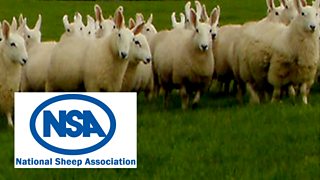
National Sheep Association/ Sheep
“Sheep farming in the UK is very seasonal, with lambing time occurring in the spring and lambs growing through the summer months and into the winter,” explains Mrs Briggs. “When the grass goes into hibernation in the winter, forage crops are a great way to ensure sheep still get the nutrition they need. This is particularly true of lambs, as stubble turnips and other forage crops ensure they keep growing over the winter. This might be ewe lambs (young females) which are growing into breeding animals that can rear their own lambs when the time comes, or it might be prime lambs that need a little more flesh on them before they are ready to go into the food chain as delicious, sustainably-produced British lamb.”
The benefit of this approach for Pip is that, as well as being able to charge a ‘rent’ for grazing stubble turnips sheep at Brookfield, the soil will benefit no end...
“All livestock produce nitrogen-rich manure. Any gardener or horticultural enthusiast knows the benefit a good dose of horse muck can make to vegetable growing, and the concept here is exactly the same, just on a larger scale. The sheep will spend the winter eating the stubble turnips and the muck they produce every day will all be incorporated into the ground and provide wonderful nutrients for the soil. It is a sustainable fertiliser and will save Brookfield having to balance the requirements of the soil with artificial inputs the following spring, which are expensive and have to be managed very carefully to ensure all the chemicals actually go into the ground.”
Listeners to the Archers may also be familiar with the concept of crop rotation. It is what they do at Brookfield and Bridge Farm to ensure soil does not get ‘tired’ by growing the same crop every year. Adding sheep and grass/forage crops into a crop rotation is a great addition, for the reasons explained above, and is a key message from NSA.
“We are perhaps more familiar with sheep on the hills and upland areas of the UK. Sheep play an essential role in these areas and are responsible for shaping the iconic British landscape that we know and love. But sheep in lowland areas have an equally important role to play, and that is why NSA is so supportive of Pip putting more sheep on at Brookfield this autumn and winter.”
Pip would plan to contact the NSA to ask if the organisation knows anyone who has some sheep that want to graze her stubble turnips over the winter. This is a service that NSA offers to members, creating a network of sheep farmers and ‘match-making’ different business ventures. Sometimes this is matching one farmer with sheep with another farmer with feed, but increasingly it is also matching farmers reaching the end of their careers with new entrants who want to take on a business with a mentor to help them learn the trade.
“Matching making is a very satisfying part of my role with NSA, as we can help businesses by ensuring our network of members are a thriving community that is well connected with what is going on and opportunities that are available. A phone call from someone like Pip, who is starting in her own farming career, would receive particular attention from us as we are dedicated to supporting young people through the NSA Next Generation project. As well as sharing opportunities, work experience placements and jobs for young people, we also offer business training and personal development to specially selected sheep ‘Ambassadors’ each year. It’s just one of the services we offer to members to ensure the sheep sector has a thriving future.”
NSA is a membership organisation for sheep farmers that provides technical advice to members while also ensuring the voice of the sheep sector is heard by the Government and non-Government bodies.
Find out more at www.nationalsheep.org.uk and www.nsanextgeneration.org.uk
