
Gotta Hear This, #6
 If you wanted to hear your reggae music in the ’70s, then it was John Peel or nothing. The guy seemed to pick up on the best of it, as we heard these wonderful tunes, anthems from the government yards in Trenchtown.
This was the prime time for the vocal groups, who had based their harmonies on soul acts like The Impressions, but who took it to another spiritual place. Many of the lyrics were informed by The Bible, particularly the Book of Exodus and the exile in Babylon. To the poor guys in the shanty towns of Jamaica, this was some kind of deliverance and it was woven into their Rastafarian creed.
And so the pained music of the sufferah made its way east. Early Bob Marley was full of it. Culture released the impeccable ‘Two Sevens Clash’, The Congos may have bested it with ‘The Heart And Soul Of The Congos’. And Burning Spear mused intensely like a flinty old prophet.
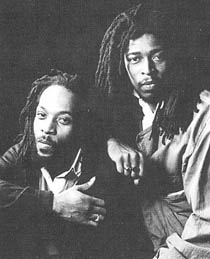 The era seemed to have passed by 1985, but somehow it took seed in Nottingham. And act called The Naturalites came up with an amazing song called ‘Picture On The Wall’, which Peel and his listeners adored. The production wasn’t as exotic as their West Indian peers, but the mood was reverential, the horns were wonderful and artless while the harmonies ruled. Ossie Samms, Percy 'JP' McLeod and Neil Foster were emphatically in the zone.
Essentially, it’s a song about having an image of of Haile Selassie , the late Ethiopian leader, above the mantlepiece. But in Rasta terms, Haile lives, the inspiration endures and the pure hope of The Naturalites is that you might ultimately get back to where you once belonged.
Stu Bailie presents The Late show on Radio Ulster, every Friday from 10pm until midnight. See his playlist here.
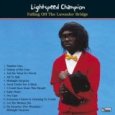 Lightspeed Champion – Everyone I Know Is Listening To Crunk (Domino)
 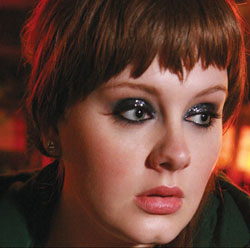 Inevitably you will grow tired of it. It will be the record that people who don’t normally buy records say they like. The swooning refrains will be used in bad TV documentaries – at the very point when the premature baby is taken off the ventilator to die. And before long, these songs will become the staple of talent show auditions, as hopeless stage brats warble and Simon Cowell’s eyebrows go skywards.
 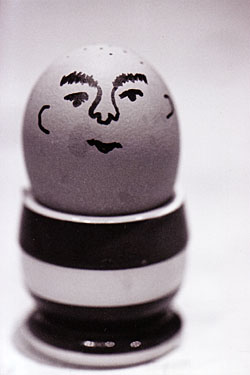 Later, you were pleased enough if someone reckoned you looked like Van Heflin, or even Gene Hackman. So long as they didn’t mention Clive James. By now, your ego is busted, your expectations are supine in the looks department. And then one of your kids improvises a portrait of the father, using an upturned, empty egg shell. There it is, jeering at you from the kitchen table.
 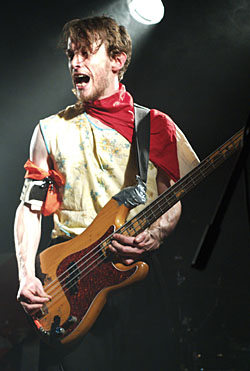 I say this because when the band played their Spring & Airbrake in Belfast last Thursday, they were on some kind of terrifying mission. A band member hurled himself into the audience with a tuba. The lady with the violin was dressed as a woodland creature, possibly a badger. There were marionettes hanging from the ceiling, maybe of a Weimar provenance. And of course the band were wearing that strange gear; Enid Blyton adventurers meet early Spandau Ballet. I hope it never catches on.
 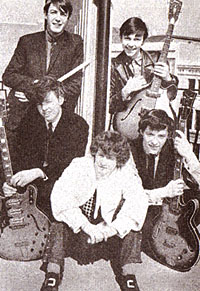 Coming from a later generation, I never saw Sam live on stage. And while I always hoped that I’d meet him some day and I’d hear some of those great old stories, that’s not going to happen now. Sam passed away on December 23, another piece of our cultural history that’s not been celebrated like it should.
 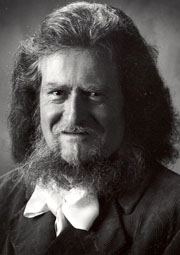 There will be a musical celebration for Sam at the King’s Head, Belfast on Sunday, January 27. The likes of Ronnie Greer, Rab McCullough, Terri Hooley and Lee Hedley will feature, and some of the old Just Five heads will also be involved. It starts at 3pm.
 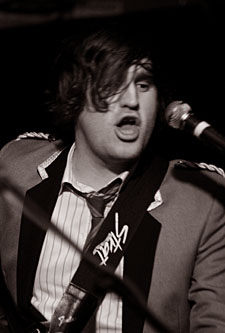 They have a track called ‘Your Children Are Screaming’ which has possessed my mind for the past few days. It stomps and fulminates and says alarming things that I can’t quite explain. It’s pretty clear that they enjoy their Flaming Lips, and the slashing guitars are true to the spirit of Gang of Four. Anyway, when I saw them in November at Auntie Annie’s, they were tremendous.
  The Brook Green offices were lined with memorabilia from The Beatles, Cliff Richard, Queen, Pink Floyd and the Pet Shop Boys. We met with the top executives who talked us through the company stories, how people with good ears and stubborn characters had made the place resound. Acts such as Kate Bush and Radiohead had been nurtured over long periods of time, allowing them to become artists in a deluge of commodity.
 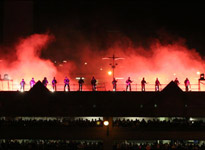 The run-up to the launch may have been tense and the image of the “Scouse wedding” gave some idea of the politics involved. But for one night at least, the city looked like a unified, positive location, even if the pay-off was letting Dave Stewart on stage.
  I’m also rather found of Ringo’s new single, ‘Liverpool 8’, which traces the Starr history, from maritime adventures to Rory Storm And The Hurricanes, Butlins and the The Beatles. The narrative spins off to Hamburg and Shea Stadium and leaves us with a lusty chorus and much sentimentality.
 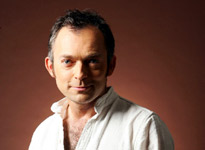 The presenter Charles Hazlewood seems like a decent enough chap, with his orchestral credentials and blokish demeanour. I just get nervous of those people rummaging around in our territory, and making glib comparisons between The Beatles and Schubert. In the past, we’ve been patronised by tweed-wearing academics who will blether for money about Doric modes and Georgic interludes. They don’t rate the music, but they think they can explain the forensics of structure and style. Yes, but does it rock your heart?
  Anyway, Charles Hazlewood played a bit of Abba and made the case for Amy Winehouse. He wibbled about the Arctic Monkeys and connected Jamie T to the operatic tradition. Sorry, but I wasn’t buying this, and additional quotes from the grinning Professor Of Pop just seemed silly. Also, anyone who compares that buffoon Wyclef Jean to Bob Marley just isn’t listening properly.
 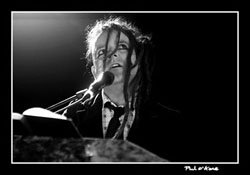 As hoped, the Duke was in imperial form. He located the pain in the song, letting us know that the dancer can barely deliver the gig. But he also found the deliverance, the idea that great art can rise above commonplace problems. A pivotal lyric, "the show must go on", becomes the theme for the evening, as short-term difficulties are fixed and a genuine sense of wonder is despatched from the stage.
 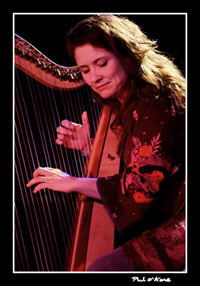 The Winding Stair