Hello
I'm afraid that after this morning's programme the conversation veered into a different dimension altogether.
There was gossip.
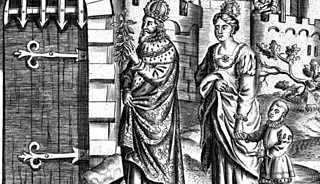
It seems that in the volumes of the university histories dealing with this period, there is an awful lot of gossip. And in other documents there is even more. So as to give body, as it were, to our discussion this morning, I will repeat some of the repeatable bits. It was, in effect, a propaganda war between Pope Gregory and Emperor Henry IV.
Gregory was accused of murdering four previous popes. Henry IV, it was alleged, had too many mistresses, he slept with his sister and in a public council his second wife declared he had indulged in sexual perversions, including asking her to have sexual congress while he looked on.
Gregory was accused of sleeping with the great Matilda (the richest landowner in Italy) and also of hiring a man - an assassin - to shadow Henry IV, with a view to dropping a large stone on his head when he was at prayers. Fortunately - a miracle - he moved at the time and the stone missed him.
John of Crema, a papal legate sent to lecture the English clergy about their morals, was discovered under the altar in Westminster Abbey in Ugandan discussions with a London prostitute.
I think that sums up the gist of it. After that Tom Morris and I went across to fill up the sheets for subjects until the end of January and also to talk about the history of the written word. We've recorded all the interviews now and I'll be doing five programmes of commentary with him in the studio next week.
And, yes, St James's Park was wonderful in the crisp winter air and, yes, I caught the guards on their horses once again. They really do never fail to thrill.
I got to the Lords in time to hear a great chunk of the debate on the issue of same-sex marriages being held in church. The conclusion which was reached was that legislation, as now enacted, made it possible for vicars or priests or chaplains who wanted to conduct such a service to do so, but if they didn't want to do so they could not be forced to, nor could the law be taken against them.
It was a packed House with some extraordinarily good speeches and some, equally extraordinary, legal hair-splitting.
Then to talk about Ken Russell for a BBC Two programme which is coming out in tribute to him and to canter, once again, in the lush old 1960 pasture of the Monitor programme, when I was his gofer for a while and then worked with him on films.
And finally drifting through the twilight north towards home, under the aerial carpet of Christmas lights in Regent Street, and then ducking across to Seven Dials (once a notorious criminal area in London with the seven streets enabling cunning criminals to outwit the police) which have perhaps the best lights I have so far seen, although Marylebone High Street runs it quite close.
Best wishes
Melvyn Bragg
- Download this episode to keep from the In Our Time podcast page
- More about the In Our Time archive of podcasts to download and keep
- Sign up to receive the newsletter by email
