Bookclub - Room by Emma Donoghue

Jim Naughtie
Jim Naughtie presents Bookclub on BBC Radio 4
Editor's note: This episode of Bookclub is available from Sunday 1 June and will be available to listen online or for download.
A writer who tries to get into the head of a five-year-old is surely asking for trouble.
Emma Donoghue not only took on the challenge in Room, but she tried to portray the experience of a child caught in the most terrible of predicaments – imprisoned at ‘home’ and denied all the normal freedoms, although his mother is trapped with him
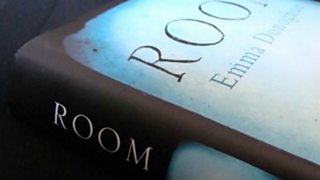
By Emma Donoghue
Jack is that boy, and Room tells the story of his life in confinement with Ma and her strange, threatening friend, Old Nick, Jack’s understanding of what’s been taken from him, his escape and the strange relationship he has with his mother. Think of the contradiction that drew Emma to the story: what boy wouldn’t want his mother on hand, 24 hours a day? But what happens when he discovers that he’s got none of the freedom that a child also craves? She told our readers, ‘This bizarre plot premise made me think it could be a way to shine a light on that pattern of behaviour between parents and children.’ It isn’t a crime novel, she says, but a novel about parenting.
And how did she get inside Jack’s head. She cheated, says Emma. When she started writing the book she had a five-year-old child, and spent her days watching him like an anthropologist – writing down what he said and watching how he behaved. In particular, she charted his confusions in grammar to try to recreate a child’s language. And it’s through that lens that we see Jack’s world, which means that we gradually understand the distortions that shape his own understand of who he is. ‘I knew that Jack’s predicament would be a bit like, say, Plato’s parable of the cave about the real world – where we’re in an unreal world and we mistake it for reality.’ Jack, for example, takes time to learn how his mother has been hiding things from him, indulging in benign deceptions, pretending.
But when he starts to discover the truth about his position, and his mother’s, this confined world starts to take on a rich and colourful character. The subject may be grim, but there is nothing grey about Room. Since I don’t want to plant a plot spoiler on you, I won’t describe the most dramatic moment in the book – except to say that it’s beautifully described – but it’s important to say that Emma uses the theme of confinement to produce a heightened consciousness in Jack, which communicates itself to readers. The shed in the garden, the contours of the house that’s a prison, the well-meaning but ultimately feckless doctor who’s one of the few visitors from the outside world.
A clip from Bookclub
Room is a surprising novel because although it’s one of those stories that inevitably fills some readers with dread (can I really take this?) it succeeds in describing and explaining the vivacity of a five-year-old’s approach to world. One of our readers asked Emma how she thought Jack would be doing now, wherever he is. Fine, she said. He’d be just fine.In the end, she is an optimist.
I hope you enjoy reading Room.
Happy reading
Jim
The BBC is not responsible for the content of external websites
