
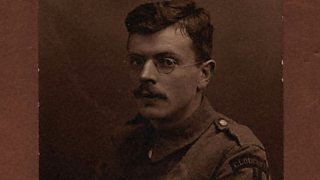
Gurney - In Flanders
Gurney fought during the war and died in 1937, this is one of the works he wrote while on active service.
Elgar - Carillon
Written to show solidarity with Belgium after the German invasion.
Elgar - The Spirit of England
Composed in 1916-17 as a war requiem. The three parts of The Spirit of England were first performed together in Leeds on 31 October 1917.
Elgar - Violin Sonata
Written in 1918 just before the war ended, when Elgar was depressed by the effects of the conflict – it is more introspective.
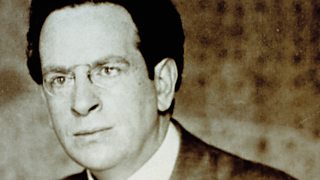
Vaughan Williams - Symphony No. 3 'Pastoral'
Vaughan Williams served as an ambulance driver in the war, this symphony can be heard as a ‘war requiem’.
Foulds - A World Requiem
Composed after the war as a memorial to the dead of all nations, premiered at the Royal Albert Hall in 1923 on Armistice night by the Royal British Legion, and repeated in 2 consecutive years, forming the first Festivals of Remembrance.
Nielsen - Symphony No. 4 'Inextinguishable'
Written during the upheaval of the war from 1914-16. Nielsen explained it as the ‘inextinguishable’ forces of Nature beginning again if the whole world was to be destroyed.
Debussy - En blanc et noir
Although Debussy insisted the work was not a comment on the first World War it was never far from his thoughts. The 2nd movement is dedicated to a French army officer killed in action.
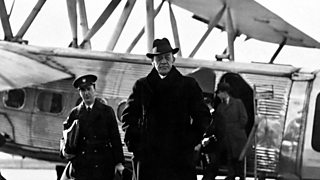
Rachmaninov - All-Night Vigil
Written in 1915, the first performance given as a benefit concert to aid the Russian war effort, this work, based on the Russian Orthodox liturgy, can be seen as his response to the war.
Ravel - Tombeau de Couperin
A poignant homage to both Baroque French music and friends of Ravel’s who died during the war.
Rudi Stephan - Music for Orchestra (1910)
Rudi Stephan was a German composer of great promise, who was killed in action 1916 on the Galician front.
Ives - From Hanover Square north, at the end of a tragic day, the voices of the people again arose
Charles Ives wrote this in response to the news of the sinking of the Lusitania.
