Radio Blog

Archives for December 2010

Music Showcase - a new way to find and enjoy BBC music content

Blog comments are currently unavailable. Find out more.

Post categories:

Chris KimberChris Kimber|17:20 UK time, Friday, 17 December 2010

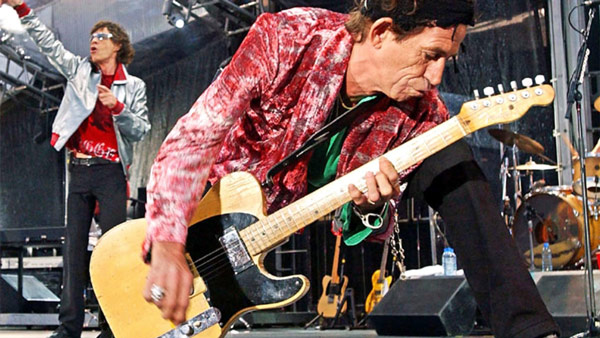
The Rolling Stones in concert

A few weeks ago we released our first version of the BBC Music Showcase and this week we have made some important tweaks to the site following user testing. We've had some comments following posts from my colleagues Andy Puleston and Matt Coulson, so I thought I'd write to tell you a bit more.

So what is Music Showcase and why is it important? What we've released so far is an aggregation of all the BBC music content that is not a full-length programme. Our radio station sites and iPlayer cover that angle fairly well, but what we haven't cracked until now is getting those nuggets of great content out of their full-length programmes to expose them in new ways. That content could be a live music session, or an interview with an artist, or a feature about a single artist, a DJ mix or a live concert. The BBC creates this kind of content in droves but it's almost impossible to find what you are really interested in unless you know exactly what was broadcast and at what time. Most web users don't have the patience for the time-consuming searching that this involves.

Now we can start to pull all those special moments out of their full-length programmes and offer them via genre, 'curated collections' or artist search - or via filters like 'most popular', 'latest in', and 'about to expire'. In other words, these unique pieces of content are now accessible and can be put together in collections which make sense to users. So, for example, we have a collection of great music clips taken from live music sessions right across the BBC, another of classic interviews, and the Best of the Festivals 2010.

Music Showcase is just the start. The next stage is 'curated collections': we want to tap into the world-class talent that the BBC employs to generate human-powered recommendations. Our music radio networks filter, curate and recommend music every single hour of every day. Filtering the vast amount of music available is at the heart of what our stations do: from a radio station playlist (like Radio 1's and Radio 2's), through to specialist music experts such as Gilles Peterson, Jez Nelson or Bob Harris. So far, we haven't capitalised on this online. The opportunity opening up to us now is to allow these musical experts to have a real voice on bbc.co.uk.

This development requires a fairly significant cultural change at the BBC, a move to understanding the value of elements of whole programmes, not just the programmes themselves. To go from understanding this to actually clipping music content from programmes will require changes to the way we work and some new tools. These things will take time, but the feedback so far suggests there's a real appetite for it.

This is good news for broadcast radio. We're doing something which takes the fantastic content we make every day in our broadcast output and offers it in an appropriate manner for our digital audiences. This is truly a mashup of traditional broadcast media with digital media. I believe that it's projects like this that will help traditional media brands move successfully into the fully digital world.

The Music Showcase is just one of the strands of work feeding into our thinking around radio and music online, as discussed on the BBC Internet blog by Erik Huggers, Director of BBC Future Media & Technology. One thing is for certain: music aggregation and music recommendations from BBC talent will continue to be an important part of what we offer in the future.

Have a play with the Showcase and leave a comment here to let me know what you think. Remember it's still in alpha mode so expect to see lots of small updates over the coming weeks and months.

Chris Kimber is Managing Editor, BBC Audio & Music Interactive

  • The picture shows the Rolling Stones in concert. They're included in the Music Showcase collection Rock 'n' Roll DNA.

A conference about mobile at BBC Audio & Music

Blog comments are currently unavailable. Find out more.
Post categories:

Emily ChaplinEmily Chaplin|12:19 UK time, Wednesday, 15 December 2010

I've recently returned from a sort of sabbatical. One that involved learning more about the ways mobile technology is an integral part of peoples' daily lives (not just folk in the media).

I've learnt that Facebook has been the trigger for some of my new friends to get mobile internet, that practically all of my new friends capture and share pictures daily on their mobiles and that many use their mobiles to listen to podcasts or FM radio on the move (I've also learnt how to change nappies and function on very little sleep).

One of the best parts of my jobs at BBC Audio & Music Interactive is market insight: finding trends in new media, learning from colleagues inside the Beeb and further afield, and exploring how they effect what we do.

This Friday, we're running a conference on mobile. It's a few hours where the whole department can get some thinking time outside of our usual routines. The event begins by looking at audiences. It's a lot more scientific than my impromptu focus groups. We'll be exploring how people currently interact with BBC radio and music on mobile. Ariane van de Ven, Head of Future & Trend Insights at O2 will be sharing how organisations can understand more about their audiences through mobile usage.

Mobile internet is expected to overtake desktop by 2014. We'll be talking about how changes in mobile usage impact on how audiences might want to consume BBC radio and music in the future. And how that, in turn, impacts on what we do.

BBC Audio & Music Interactive already offers some great content for mobile users. Earlier this year we announced live radio streaming via our rather fine set of optimised mobile sites. As well as hearing about mobile projects across the BBC we'll be getting an external perspective on what the BBC's Commercial Partners are doing on mobile from Nick Piggott, Head of Creative Technology at Global Radio. James Whatley, co-founder of The Really Mobile Project and Simon Cross from Facebook will also be offering their insights.

The meeting is a chance to discuss where we are now and where we go next. When does mobile content add value or reach new audiences? What sort of content works best on mobile? Should mobile be thought of as an integral part of what radio broadcasters do?

We'll let you know how the meeting went on the Radio blog and you can follow the event on twitter using #BBCAMI.

This blog post was written on an Android-based smartphone.

Emily Chaplin is Business Administrator at BBC Audio & Music Interactive and producer of the #BBCAMI mobile conference

  • The BBC Audio & Music mobile conference takes place between 1030 and 1330 on Friday in the Radio Theatre at Broadcasting House. It's not open to the public but participants will be tweeting throughout so keep your eye on the hashtag #BBCAMI for a rolling commentary and - quite possibly - some useful mobile insights.
  • Follow @BBCAMI, BBC Audio & Music Interactive's official Twitter account.
  • We'll also be displaying a stream of tweets from the event on screens around the Radio Theatre using a nifty app called Dextr.
  • The illustration is by BBC Audio & Music's head of mobile James Simcock.

Radio Manchester takeover - 151 candidates so far

Blog comments are currently unavailable. Find out more.

Post categories:

John RyanJohn Ryan|12:53 UK time, Tuesday, 7 December 2010

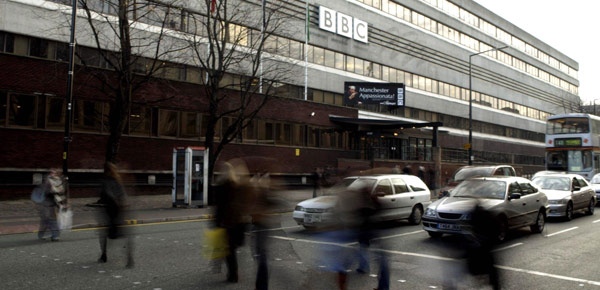
The BBC's Manchester offices in Oxford Road.

Editor's note: the BBC Radio Manchester Takeover is an ambitious plan to put twenty-four new voices on the air across one day - 3 January 2011. The Takeover Taxi is currently touring locations across Greater Manchester to audition candidates - SB

I'm often asked how radio stations find presenters. My two favourite metaphors are the football team, and the teaching hospital.

Like a football manager, you're constantly juggling your star players (big local established presenters), your youth team (the star players of the future) and looking to talent-scout from elsewhere (prospective presenters on other stations). A big part of the station management team's job is to establish the culture and personality of the station in which all of those different breeds work effectively together.

And like a teaching hospital, BBC Local Radio stations are often where talented young broadcasters gain experience and learn the techniques of speech broadcasting on a deadline - and on a budget. A good hunting ground for new voices is community, student and hospital radio. That's where I started. Promising work experience alumni often build on their relationship with a station and get paid casual shifts. We will always need these people, for whom radio is a career goal and whose ambitions in pro-broadcasting were often nurtured from their teenage years.

But increasingly, we're also looking for something else. People with a unique take on the world, with life experience, with authentic local voices. To help us better reflect the communities we serve, to be part of it. The radio techniques, we can teach. That's what The Takeover aims to find. Up to 24 individuals, in 42 locations across Greater Manchester.

We're halfway through and have 151 auditions recorded. December 14th is blocked in my diary to listen to every single minute-long audition. The winners will get a one-off pre-recorded show on 3 January - and I'm hopeful some will go on to be regular contributors on our side of the microphone. I'll let you know how we get on.

John Ryan is Managing Editor of BBC Radio Manchester

  • More about the takeover, including the schedule of visits, on the BBC Manchester web site.
  • The picture shows the BBC's Manchester headquarters in Oxford Road.

More from this blog...

Categories

These are some of the popular topics this blog covers.