


- 6 Oct 08, 04:30 PM
Picture the scene in a school playground.
Some of the most senior people in British sport lined up. Waiting to be picked.
Desperate to catch the eye of one man, and one woman.
That's what it must have felt like this morning, as the chairmen and chief executives of Britain's Olympic and Paralympic sports sat by their phones, waiting for a call which would shape their plans for the next four years.
The call came from either Liz Nicholl, director of Elite Sport at UK Sport, or John Steele, its chief executive.
And the subject was funding.
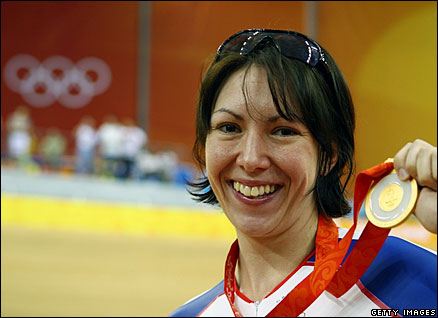
UK Sport is finalising its plans to distribute £400m to elite British athletes, ahead of London 2012, and will announce its final budget in December. But today the individual sports were given a first indication of what to expect.
Some of the more successful sports - cycling is one of them - have been given a figure. Not an exact amount, but enough reassurances with which to begin their own individual budgets. In effect an indication to use as a financial planning tool. Other sports, however, were not told a number. And they should be concerned.
So why can't UK Sport be precise?
Because a significant part of its budget is yet to be confirmed. The Department of Culture, Media and Sport (DCMS) is supposed to be raising £80m privately, but at the moment, as BBC sports editor Mihir Bose revealed, only £20m of that is secured. That will be provided by the government.
UK Sport's Board last week discussed how it would deal with any shortfall if the £80m isn't raised. And under the organisation's "no compromise" position on financial backing, members approved a plan to cut funding from the bottom, not across the board.
In other words, sports with little to shout about in terms of performance, potential, or governance, could find their budgets slashed.
That's why certain sports are none the wiser this evening. UK Sport simply don't know yet how much, if any, money it will be able to hand over.
We find ourselves in a curious situation where Olympic and Paralympic associations within the same sport get different outcomes.
British Shooting, for example, may well find they get a decision on funding deferred, partly because they've been given an overall red light in UK Sport's ongoing Mission 2012 tracker system.
Britain's Paralympic shooters, however, were awarded an overall green light, and could well be given a provisional funding figure.
How sports are run is just as important as how many medals they deliver. British handball, for example, has little prospect of winning a medal in 2012 - but I understand they have little to worry about.
A phone call with no figure is the equivalent of being handed Blind Pew's black spot in Treasure Island. And it means an agonising wait until December, to find out which sports can realistically go for gold in 2012.

About this blog
Links to the blogs of all the contributors can be found below.
For the latest updates across BBC blogs,
visit the Blogs homepage.
Subscribe to Olympics
You can stay up to date with Olympics via these feeds.
Olympics Feed(RSS)
Olympics Feed(ATOM)
If you aren't sure what RSS is you'll find our beginner's guide to RSS useful.
London 2012
London 2012 from the BBC
Get the latest from the BBC's home of London 2012: News, sport, Olympic torch relay, Festival 2012 and more.
Olympics headlines
Visit the BBC Sport website
Visit the Olympics index
London 2012
London 2012 from the BBC
Get the latest from the BBC's home of London 2012: News, sport, Olympic torch relay, Festival 2012 and more.
The BBC is not responsible for the content of external internet sites

Comments
Sign in or register to comment.