
Meet the Home Office mole
- 1 Dec 08, 04:56 PM
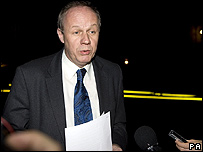
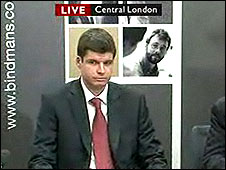 In the words of his lawyer, Home Office civil servant Christopher Galley "gave information which was important for the public to know" in a series of meetings held with the Conservative immigration spokesman, Damian Green, over the past two years.
Mr Galley sat silently as Neil O'May - who you may recognise as the man who represented Lord Levy in the cash-for-honours investigation - stated that "if ever there's a case of don't shoot the messenger, this is it".
Mr Galley's side of this story is now clear:
• He did give "regular" leaks to Mr Green;
• All of it was what his lawyer O'May describes as "embarrassment material" and not documents that would be covered by the Official Secrets Act such as those relating to state secrets, terrorism, national security or which would lead to "financial jeopardy";
• There were no "inducements" offered by Mr Green to persuade Mr Galley to leak (his lawyer said that "the statement was clear re inducements" and it makes no mention of them);
• He would have been happy to confess all to the police if they'd simply asked him rather than sending seven officers to his house to arrest him and then question him for 17 hours.
Update 19:48: What complicates this tale hugely is that it involves not just the politics of Westminster, but also the politics of the police.
Today was the deadline for applications for the top job in policing, the Commissioner of the Metropolitan Police - who, you might just have noticed, will be appointed by none other than the Home Secretary.
Among those who are believed to have applied today are:
• the man who authorised the arrest of Galley & Green - Sir Paul Stephenson, Acting Commissioner;
• the head of specialist operations at the Met which carried out the operation - Assistant Commissioner Bob Quick;
• the man who today offered ACPO's backing for the way in which the Home Office has handled this inquiry - Chief Constable Ken Jones, the President of ACPO, who today issued a statement which will have been music to the Home Secretary's ears.
He writes that:
ACPO has shared the concerns of the Permanent Secretary (of the Home Office) regarding leaks from his department. The Metropolitan Police Service was properly asked to assist... The independence of UK law enforcement from undue influence and pressure is the jewel in the crown in our system of criminal justice. We should protect that principle, even when inconvenient, as it occasionally is. If an investigation reveals that any person may be involved in wrongdoing then they have the right to expect that we will investigate the matter in ways which seek to get at the truth and either sustain the allegation or exonerate them. No one can be above the law.