Autumn leaf colour

Kate Lewthwaite
Phenology expert
The Woodland Trust’s Nature’s Calendar project encourages members of the public to get out and about in their gardens and local areas and to record common signs of autumn.
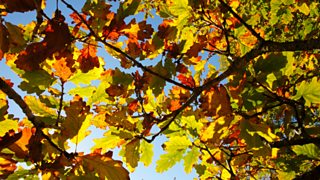
Sessile oak in autumn colour
This year our recorder’s data already shows autumn is late. Across the country, first sightings of leaves changing colour are around 14 days later than average for some of our best-loved tree species such as elder, oak and horse chestnut.
Weather conditions affect the development of the stunning autumn colour we are so used to and, while later than usual, this year’s weather has provided the ideal conditions for vibrant leaf tinting.
In autumn the colder nights and lowering temperatures destroy chlorophyll inside leaf structures, meaning vibrant green shades fade to yellow. If temperatures stay above freezing and there are dry, sunny days, then we can expect more red hues, leading to a fiery and truly spectacular autumn display.
The Woodland Trust needs more members of the public to help us record autumn sightings on the Nature's Calendar website.
Every single sighting counts, and this kind of citizen science information helps the Woodland Trust, government and research scientists to understand the impacts of weather and climate on our native species.
Anyone can become a Nature’s Calendar recorder - make your love of nature count.
