7 signs that autumn is well and truly on its way

Chris Hitchings
BBC Springwatch Digital Team
Autumn is well and truly upon us. The leaves are starting to fall, the nights are drawing in and migratory species are heading for foreign lands. Over the next few weeks we'll lose our swallows and house martins. As well as being one of nature's most incredible spectacles, autumn brings a few more delights to look forward to.
1. The leaves start falling from the trees
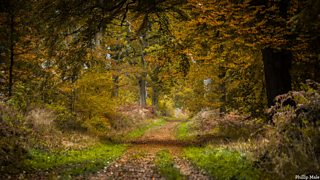
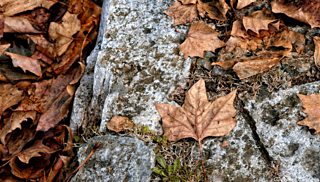
As the days get shorter, our pavements turn a reddy brown and it'll probably take an extra few minutes to get to work because you're looking for extra crunchy leaves to step on.
Only deciduous trees start to lose their leaves. The process is one that helps trees conserve resources during the colder months and makes them more resistant to windy conditions during winter.
2. Conkers start appearing
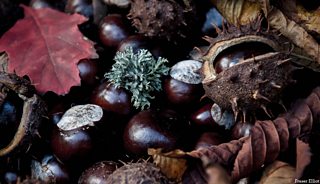
Aside from the traditional image of schoolchildren battling one another, conkers have a useful purpose. They're the seeds of a horse chestnut tree, helping it to replant and survive many generations. A common myth is that they can be eaten by horses. However, they're poisonous to the species and not suitable for humans to digest either. One species that is able to use them as a food source is deer.
3. Hedgerows come alive!
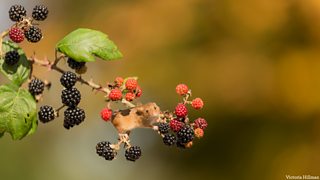
From the start of September hedgerows are heavily laden with all kinds of berries. Blackberries are a favourite with foragers and wildlife alike. They're an important source of food for birds such as thrushes, redwings and blackbirds. It looks like harvest mice are pretty interested in them too!
4. Dramatic sky dances
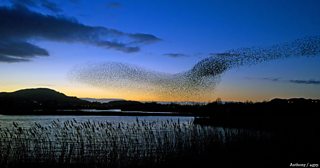
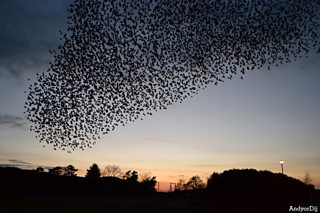
During the autumn and winter months, starlings put on a stunning display as the sun sets. Hundreds of the birds gather in the sky to produce stunning murmurations. There are a number of reasons for the activity, including staying warm. It also makes it much harder for predators to attack, safety in numbers. Starlings are known for being noisy birds and during murmurations is no exception: they use the time to share information about good feeding sites.
5. Jack Frost leaves his mark
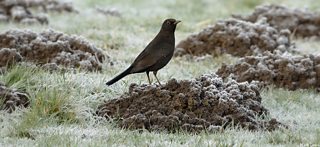
You know it's really autumn when the morning air is crisp and cold, when you can see your breath as you defrost the car, and then the early morning dew is still settled on the grass. As we crank up our thermostats and wrap up warm in preparation for the chill, some species have a tougher time. One way you can help them is by building a compost heap. The warmth generated by matter decomposing makes the ideal habitat for reptiles which are in turn a good food source for small mammals. Learn more about how to do so here.
6. Misty mornings
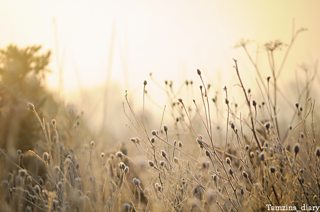
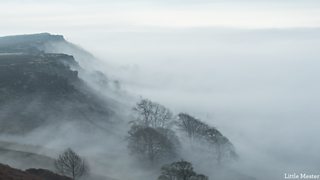
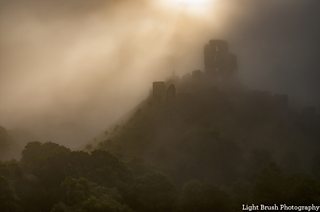
Is it really autumn without mist rising in the valleys and the sun peaking through?
Here comes the science bit! Mist is formed when tiny droplets of water are suspended in the air. It happens as warmer water in the air cools quickly. This forces it to change from a gas to small visible water particles. It often happens when the air over water suddenly comes into contact with colder surfaces on land. It's differentiated from fog by how much its density restricts visibility; fewer than 100m it's mist, more than that it's fog.
7. Days get shorter
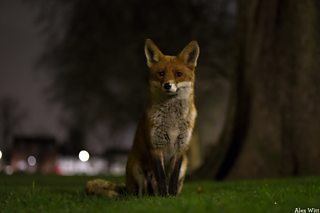
The clocks don't go back until Sunday 29th October, but the nights are starting to draw in. As most people are tucked up inside with a hot chocolate, wildlife is busy foraging for food. If you're a city dweller why not head out after dark and see if you can spot an urban fox?