Get batty about gardens

Bat Conservation Trust
By Joe Nunez-Mino (Bat Conservation Trust)
I love nothing more than to sit and watch bats catching insects at night, but not everyone gets this free nocturnal show. Everyone can take a few simple steps to make gardens more attractive for bats and other nocturnal wildlife. Never has the importance of gardens been more apparent than now. Given the opportunity, bats can and do use gardens regardless of whether they are set in urban or rural areas.
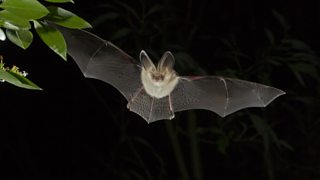
Our vision at the Bat Conservation Trust is of a world rich in wildlife where bats and people thrive together. Research based on information collected by the National Bat Monitoring Programme has demonstrated that urbanisation can negatively impact on even our most common bat species. Gardens can play an important role in reducing this impact, especially when you consider that the total area covered by gardens in the UK is bigger than the area covered by all our National Parks. Improving these spaces for bats will also improve them for all wildlife and our own wellbeing too.
So what can you do?
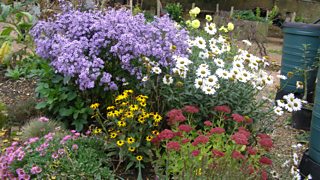
Extending flowering for as long as possible
All 17 UK bat species eat invertebrates (primarily flying insects) so anything that attracts these is likely to help bats. Bats need a continuous supply of food from the start of spring through to the end of autumn. This is necessary because bats need to build up their reserves before winter in order to make sure they have sufficient energy to maintain them throughout the winter months when they hibernate. Similarly, when they emerge from hibernation they will need insects as food to replenish their energy levels.
More diversity
Allow for some diversity in your garden, having plants grow at different heights can attract different types of insects. Planting trees and shrubs will give your garden structural diversity, but even if you only have a wall or fence, plant some climbing plants to grow over and around them. Ivy, for example, is a great way to cover a wall or large tree and not only provides shelter but if allowed to mature will flower in early autumn. Another great idea, if you have enough space is to allow for a wild patch to grow.
Insect homes
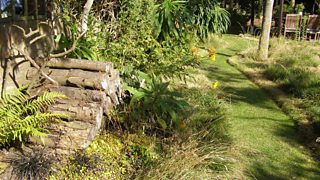
Anything that attracts insects is also likely to attract bats. This can be in the form of a small pond or marshy area, compost heap, rotting wood logs or even insect hotels. Adapt your design according to the space and resources you have available and look to see what is already available in your area. Bats can feed over relatively large areas so if you neighbour already has a large pond, compliment that by having some log piles in your garden. You can also buy or create an insect hotel; there are lots of different designs available that you can make yourself.
Lights off in the garden
Most bat species can find artificial lighting to be very disturbing. Artificial light, such as street lights, house lights, security lighting and decorative lighting can prevent some species of bat (and other wildlife) from coming into your garden. Turning off unnecessary lighting not only helps bats but also reduces electricity bills and overall environmental impact. There are lots of different ways to reduce the impact of lighting, such as: using dimmer switches, motion detectors, timers or placing hoods/cowls over lights to direct their light beams.
So what else can you do?
Check out the Bat Conservation Trust Website for lots more ideas, from building your own bat box to creating a garden pond, there are many ways to create an oasis for bats and other nocturnal animals.
