BBC Local Apprentices: How I went from watching the news to being on it
Tagged with:
Just three weeks into his placement at BBC Essex, electrician turned Local Apprentice Robby West found himself with an exclusive story on his hands that was featured across BBC News and beyond. Here he explains how it happened.
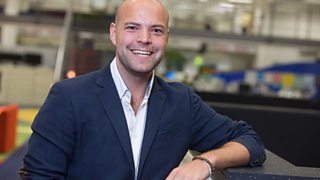
After leaving school at 16, with no notable grades, I fell into a career as an electrician. I spent over a decade working on the tools, but I always knew my heart was not in it and I dreamed of a career as a journalist.
While desperately hunting for a career change, I found out about the BBC LAS on Twitter. The scheme was taking on non-graduates, giving them experience and training them as journalists. They’d be based in every BBC local radio station in the country.
Having lived and worked across Essex I know the area well - I’d even spent the last four years blogging about the politics of the county. Thinking I’d be in with a chance, I set about applying for my dream job. And, after a gruelling selection process, I was lucky enough to be selected as the apprentice for BBC Essex.
"I knew it was time to ask to be thrown in the deep end"
The job started with all the successful applicants being whisked away to Birmingham for an intense seven weeks of training which covered a range of skills, from operating a radio studio to interview techniques. I had no idea how quickly I would be using them.
It was in my third week at BBC Essex I saw my first opportunity to do some political journalism. I overheard the news editor saying that we had no one to cover a story, and I knew it was time to ask to be thrown in the deep end. I was given the nod and - trying to conceal my excitement - I quickly grabbed a coat and a mic and jumped into the BBC branded car in search of a story.
The story itself was a good local news piece about UKIP, who had de-selected their parliamentary candidate for Essex. It was strongly rumoured that ex-Conservative MP Neil Hamilton was being parachuted into the seat to run in the upcoming general election.
After a briefing from my editor, I raced to the hustings filled with excitement. Before I got there I called a fellow apprentice and we talked through my lines of questioning, double checked the facts of the story and went over the tips they gave us in Birmingham. After this sharp critique, I knew I was ready.
On my arrival I found out the story had dramatically changed. A leaked letter had queried Mr Hamilton’s expenses claims, and the rumour buzzing around the internet was that instead of standing as a candidate he was actually going to withdraw from the hustings. Realizing this story was now bigger than just my local area, I rang my editor to explain.
This was the first time I felt the full might of the BBC machine. They rushed a camera down, and political editors from various departments were on the phone. When the camera arrived we managed to get an exclusive statement from Mr Hamilton saying that he was withdrawing from the process and suggesting that there was “dirty tricks” campaign against him.
The footage was sent back and my interview was immediately used on the BBC News channel. The following day the story broke exclusively on our morning show at six. By eight it was across the local radio and led the news bulletins for the rest of the day.
Other stations and programs within the BBC picked up the interview and used it and quotes from the interview were dotted across all the leading newspapers. I couldn't believe in just 3 weeks I went from watching BBC Breakfast, to being on it!
There’ll be more from the apprentices on the Academy website throughout the year. You can keep up-to-date with the latest via Twitter using #BBCLAS or via iPlayer Radio
