BBC Music Blog
  1. BBC Music
  2. Blog Home

Archives for February 2011

Music TV - February 24 - March 2

Blog comments are currently unavailable. Find out more.

Post categories:

Sarah MurphySarah Murphy|12:49 UK time, Thursday, 24 February 2011

A small dose of American song this week with programmes featuring successful songwriters Carole King and James Taylor as well as a Classic Albums special charting the making of Tom Petty's Damn The Torpedoes.

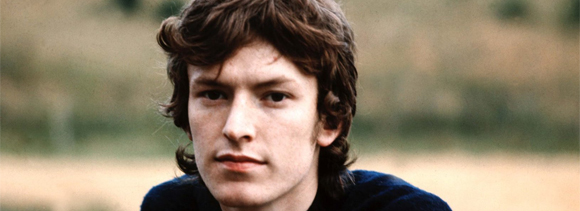
BBC Four brings it back closer to home on Friday night with a documentary on the career of English blue eyed soul singer and pop rock musician Steve Winwood.

Friday 25 February - BBC Four

1930 - 2100: The Salzburg Festival Part Two

The conclusion of the first full-length history charting the somewhat tortured history of the Salzburg Festival, with an all-star cast including Herbert von Karajan, Wilhelm Furtwangler, Georg Solti, Simon Rattle, Riccardo Muti, James Levine, Karl Bohm, Toscanini, Placido Domingo, Valery Gergiev, and more.

https://www.bbc.co.uk/programmes/b00yvtwv

2100 - 2200: Forever Young: How Rock 'n' Roll Grew Up

Repeated BBC Four Friday 2555, Sunday 2345

Documentary which looks at how rock 'n' roll has had to deal with the unthinkable - namely growing up and growing old, from its roots in the 50s as a music made by young people for young people to the 21st century phenomena of the revival and the comeback.

Featuring contributions from musicians Lemmy, Iggy Pop, Peter Noone, Rick Wakeman, Paul Jones, Richard Thompson, Suggs, Eric Burdon, Bruce Welch, Robert Wyatt, Gary Brooker, Joe Brown, Chris Dreja of the Yardbirds, Alison Moyet, Robyn Hitchcock, writers Rosie Boycott and Nick Kent and producer Joe Boyd.

https://www.bbc.co.uk/programmes/b00sxjls

2200 - 2300: Steve Winwood: English Soul

Repeated BBC Four Friday 2455, Sunday 2445

From childhood prodigy to veteran master, Birmingham-born Steve Winwood's extraordinary career is like a map of the major changes in British rock 'n' roll and rhythm and blues from the 1960s to the present. This in-depth profile traces that journey and reveals a master musician blending Ray Charles and English hymnody into a unique brand of English soul.

Paul Bernay's film blends extensive interviews with Winwood in his Gloucestershire home with rare archive footage and contributing interviews with Eric Clapton, Paul Rodgers, Paul Jones, Paul Weller, Muff Winwood, Dave Mason and more.

https://www.bbc.co.uk/programmes/b00srj7k

Steve Winwood


2300 - 2400: Carole King and James Taylor: Live at the Troubadour


Repeated BBC Four Friday 2655, Sunday 2545

Carole King and James Taylor reunited at the intimate Hollywood venue in concert in 2007 to play their era-defining hits, nearly four decades after they first performed at the Troubadour in November 1970, a year before their Tapestry and Sweet Baby James' albums stormed the American charts. King and Taylor are backed by the Section, the same band that propelled those albums into homes around the world.

https://www.bbc.co.uk/programmes/b00sftvw

2400 - 2455: Classic Albums: Tom Petty - Damn the Torpedoes

The third album by Tom Petty and the Heartbreakers, released in 1979, has long been regarded as a classic. A mix of rootsy American rock 'n' roll and the best of the British invasion, of jangling Byrds guitars and Stones-like rhythms, Damn he Torpedoes was the album that took Petty into the major league and re-defined American rock.

This programme tells the story behind the conception and recording of the album and the transformation it made to the band's career. Using interviews, acoustic performance, archive footage and a return to the multi-tracks with the main protagonists, it shows how Petty, Mike Campbell, Benmont Tench, Ron Blair and Stan Lynch created their songs and sounds with the help of co-producer Jimmy Iovine and engineer Shelly Yakus.

https://www.bbc.co.uk/programmes/b00x7chg

The enduring value of live radio

Blog comments are currently unavailable. Find out more.

Post categories:

Tim DavieTim Davie|12:06 UK time, Wednesday, 23 February 2011

I Am Kloot

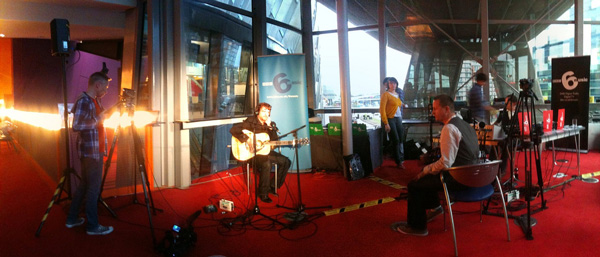
It is rare that passionate radio listeners overwhelmingly and immediately support the scheduling changes that we make to a well-loved BBC radio station. However, having just announced that Radio 3 will broadcast live concerts every weekday at 7.30 p.m for 46 weeks of the year, the reaction has been almost universally positive. It is welcome news for UK performing groups and listeners who will enjoy an invitation to so many outstanding classical performances. What is perhaps less apparent is that it represents a deliberate move across BBC radio to keep building the percentage of live output that we air on our stations. For some, this approach may well seem counter-cultural as it comes at a time when digital evangelists continue to predict the media will move inexorably to time-shifted, on-demand content. This is true but, paradoxically, this very trend is driving the value of live experience.

Read more from Tim Davie about live radio on the BBC Radio Blog

Tim Davie is Director of Audio & Music at the BBC

Music TV - February 17 - 23

Blog comments are currently unavailable. Find out more.

Post categories:

Sarah MurphySarah Murphy|15:01 UK time, Thursday, 17 February 2011

More reggae this week with programmes featuring Toots & The Maytals and Bob Marley as BBC Four's Reggae Britannia season continues. There's also more sunshine sounds with a documentary on the music of the late great Beach Boy, Dennis Wilson.

Friday 18 February - BBC Four

1930 - 2100: Salzburg Festival Part One

Founded for political reasons, used by the Nazis for political reasons, revived after the Second World War by the US Army for political reasons, dominated for two decades by Herbert von Karajan, a double member of the Nazi party and rescued by Gerard Mortier who believed that all art has a political purpose, the Salzburg Festival remains the most important music festival in Europe - contentious, outrageous and with a phenomenally high standard of performance.

This is the first full-length history of this tortured, annual cultural bun-fight, with an all-star cast including Herbert von Karajan, Wilhelm Furtwangler, Georg Solti, Simon Rattle, Riccardo Muti, James Levine, Karl Bohm, Toscanini, Placido Domingo, Valery Gergiev and more.

https://www.bbc.co.uk/programmes/b00ymlj0

2100 - 2200: Toots & The Maytals - Reggae Got Soul

Repeated: BBC Four - Friday 2600, Sunday 2330

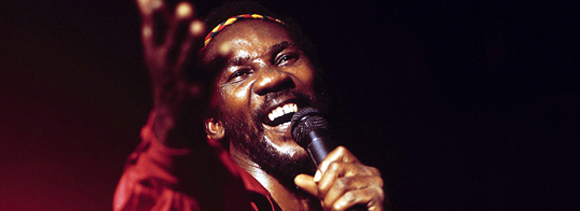
The untold story of one of the most influential artists ever to come out of Jamaica, Toots Hibbert, featuring intimate new performances and interviews with Toots, rare archive from throughout his career and interviews with contemporaries and admirers including Eric Clapton, Keith Richards, Jimmy Cliff, Bonnie Raitt, Willie Nelson, Marcia Griffiths and Paolo Nutini.

https://www.bbc.co.uk/programmes/b00ymljb

Toots Hibbert

Toots Hibbert of Toots & The Maytals

2200 - 2330: Reggae at the BBC

Repeated: BBC Four - Friday 2700, Sunday 2430

An archive celebration of great reggae performances filmed in the BBC Studios, drawn from programmes such as The Old Grey Whistle Test, Top of the Pops and Later... with Jools Holland, and featuring the likes of Bob Marley and the Wailers, Gregory Isaacs, Desmond Dekker, Burning Spear, Althea and Donna, Dennis Brown, Buju Banton and many more.

https://www.bbc.co.uk/programmes/b00ymljd

View more clips featuring the greats of British Reggae as part of BBC Four's Reggae Britannia season.

2330 - 2430: Toots & The Maytals at Glastonbury 2010

Repeated: BBC Four - Sunday 2600

Mark Radcliffe introduces a set from Jamaica's Toots & The Maytals on the West Holts Stage, recorded at Glastonbury 2010.

https://www.bbc.co.uk/programmes/b00syzjc

2430 - 2600: Arena - Bob Marley Exodus '77

Marley's legendary concert at the Rainbow in the summer of 1977 took reggae music and the message of Rastafaria to a world that hitherto had been exposed to neither. The programme is a visual evocation of the world of 1977, a world that seems very far away now, and of the spirit of Marley's most significant album. It is not a film about the making of an album, it's a film about an artist and his world; about the impact of the world on Bob Marley and of Bob Marley on the world.

https://www.bbc.co.uk/programmes/b007np3m

Saturday 19 February - BBC Four

2355 - 2455: Love Songs at the BBC: A Valentine's Day Special

Repeated: BBC Four - Saturday 2655

It's a time for guilty pleasures, for courtship, for declarations of love, for looking someone in the eye and whispering sweet nothings, accompanied by a compilation of some of the squishiest love songs from the likes of Celine Dion, Joe Cocker and Jennifer Warnes, Jason and Kylie, 10cc and Lionel Richie, all from the Top of the Pops era. If Hot Chocolate and Chaka Khan don't get the temperatures rising, then nothing will.

https://www.bbc.co.uk/programmes/b00ymh70


2455 - 2555: Legends - Dennis Wilson: The Real Beach Boy

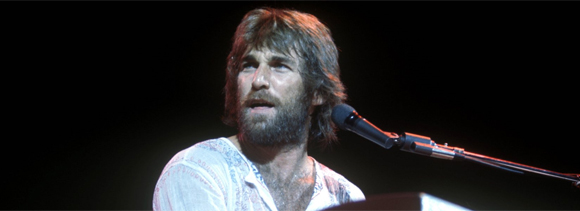
Dennis Wilson was the drummer in The Beach Boys. And he was the real Beach Boy. In a band of geeks who sang about surfing, cars and girls, Dennis was the only one who surfed, the one who drove hot rod cars in competition and the one who got all the girls.

This documentary tells the story of Dennis's life and music, with unseen archive footage and original interviews with Beach Boys Al Jardine and David Marks, his sons Michael and Carl and many friends and fellow musicians. These include Taylor Hawkins, drummer with the Foo Fighters who provided a vocal for the lost track on Pacific Ocean Blue, Holy Man, for which Dennis never laid down a vocal when he recorded the song in 1977.

https://www.bbc.co.uk/programmes/b00r0t24

Dennis Wilson

Dennis Wilson

Monday 21 February - BBC Four

2300 - 2400: Thin Lizzy - Bad Reputation

Affectionate but honest portrait of Thin Lizzy, arguably the best hard rock band to come out of Ireland.

Starting with the remix of the classic album Jailbreak by Scott Gorham and Brian Downie, the film takes us through the rollercoaster ride that is the story of Thin Lizzy. From early footage of singer Phil Lynott in Ireland in his pre-Lizzy bands the Black Eagles and Orphanage, it follows his progress as he, guitarist Eric Bell and drummer Brian Downie form the basic three-piece that was to become Thin Lizzy - a name taken from the Beano.

https://www.bbc.co.uk/programmes/b00xln7l


Next week, choice viewing featuring the likes of Steve Winwood, Tom Petty and James Taylor and Carole King.

Album Reviews Q&A: Ghostpoet

Blog comments are currently unavailable. Find out more.

Post categories:

Mike DiverMike Diver|10:38 UK time, Wednesday, 16 February 2011

Ghostpoet promo picture

Act:Ghostpoet

Album:Peanut Butter Blues & Melancholy Jam

Recommended by:Radio 1 Review Show, Nick Grimshaw

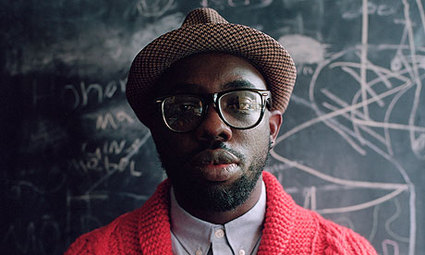
It's not too common an occurrence that a writer is caught out by a new album that genuinely walks its own line, forging a unique groove. But that was the case when Ghostpoet's Peanut Butter Blues & Melancholy Jam landed in the lap of BBC critic Adam Kennedy, who wrote in his subsequent review: "You have to go back to The Streets' Original Pirate Material for an album with a similar impact". Truly, this is a record that opens a new chapter in British hip hop. And the record's maker, real name Obaro Ejimiwe - a Londoner who spent his university years in Coventry - kindly discussed its creation with us.

- - -

Firstly, congratulations on releasing your debut album. You must be pleased with the reception it's received. How does it feel when something you've worked on so hard connects, seemingly with an instant ease, with so many people?

Why thank you very much. I'm honestly so surprised by the reception! I'm just so pleased that so many varied souls are appreciative of my first effort. It's all I really wanted from my first album, and my music in general - I just want as many people as possible to enjoy the sounds I'm creating.

There's a sense of unease, of melancholy, through the album - making its title all the more relevant. Does it document a fairly 'down' time in your life, one that you're now clear of?

I would say it was a mixture of my mood at the time, the feel of Coventry, and my experiences in and around it. I wouldn't say I'm clear of it, if I'm honest. I guess it's all about managing, staying positive with a stiff upper lip and all that!

How did you come to release via Brownswood? I read on your website that you lost your job and got signed fairly quickly afterwards.

Well, I was introduced to Brownswood via a friend of a friend after they had a listen to my MySpace page. A few more demos were requested, and following on from that I went down for a meeting with the label. We discussed what I was trying to do with my music and Gilles (Peterson, label founder) was of the mind an album would be a good idea. It felt right, so I went with it. It was strange timing, as I had just been made redundant. But losing my job was definitely a factor in getting a move on with it all.

How was the album produced - exclusively by yourself? It's got a warm palette of sounds, far removed from the rather icy, brittle percussion peppering so much hip hop from the US at the moment. Was it key to you to create this sort of enveloping atmosphere?

Yes, the album was produced by myself. I've never really taken notice of US hip hop that much, especially once I got into grime and deeper into UK and world music. I just tried to keep my own counsel as much as possible, and attempt to keep myself on the road of just being me, really. I think, subconsciously, I just wanted to create the sounds that were bouncing around in my head, causing me sleepless nights and slow-mo day dreams.

There are several lyrics in the album about feeling old(er), about being a mature head. Do you think you've life experience enough to make the content of this album of rather more universal, and 'real', appeal than songs about shaking booty down the disco?

I wouldn't say I have ample life experience - I'm still learning everyday! Life is definitely the food for lyrical thought, though. All of us look at things differently; we all have our own unique view from one's castle, and I guess my album is just lo-fi attempts at putting across the world around me as I see and feel it.

- - -
Ghostpoet - Cash & Carry Me Home
- - -

A key line on the record is "I got tonnes in my brain, I gotta get it out". Do you see a second album following fairly quickly, as you've a rich pool of ideas to draw on at the moment?

I think a second album will follow when it feels it's the right time to pop its head out from the inner depths of my mind, ha ha. There are definitely ideas milling about, but I just want to take my time with my sound and knead the dough, so to speak.

Comparisons to The Streets and Roots Manuva have appeared in write-ups of the record - flattering parallels, or any worry that such high-profile references might raise expectations amongst your potential audience? To my ears you're not too much like either - there's a greater yearning in your songs, a more palpable desire to do more.

Aw, thank you! It's definitely flattering and an honour to be compared to those artists, as they're both artists that I truly respect. I hope people just have a listen regardless of what they read, and hopefully feel that I'm just trying to be myself. It's all I know and want to be.

You're on tour supporting Jamie Woon - one of the artists featured in this year's Sound of 2011 list. Do you think that sort of recognition can be a hindrance to a new act? If you were on the list, surely many an album review would spend a paragraph on that context before discussing the actual music at hand...

I don't think it can be that a bad thing, being on such a list, as it definitely helps to get you onto the public's horizon quicker. I guess a product of that is the pressure, with the instant exposure, expectation and predictions. But I guess it boils down to how you handle it as a individual. Personally I make music for myself first and foremost, so I hope I wouldn't allow something like that to alter my creativity.

Finally, I always ask what an artist's favourite albums of the year so far are. But it's only February! Still, have there been any highlights of your 2011 so far? And are there any forthcoming albums you're looking forward to?

It has been a crazy year already for music and it is only February! So far the highlights have been The Streets' Computers and Blues and James Blake's LP. Off the top of my head, I'm looking forward to hearing Jamie Woon's long-player, Radiohead's The King of Limbs, new material from Aphex Twin - if the rumours are true, anyway - and also records from Nick Cave & The Bad Seeds, Paul Simon, Dr Dre and Toro Y Moi. Oh, and the Jamie xx/Gil Scott-Heron remix record. I'm sure there will more musical surprises along the way, let's see what 2011 has to bring!

Read the BBC review of Peanut Butter Blues & Melancholy Jam

Visit Ghostpoet on MySpace

Read more Album Reviews Q&As, with the likes of Anna Calvi, Big Boi, Foals, Deftones and Magnetic Man

Album Reviews Q&A: Anna Calvi

Blog comments are currently unavailable. Find out more.

Post categories:

Mike DiverMike Diver|11:35 UK time, Friday, 11 February 2011

Anna Calvi

Act:Anna Calvi

Album:Anna Calvi

Recommended by:Radcliffe & Maconie, 6 Music Album of the Day, Victoria Derbyshire, Stuart Bailie

The first of the 15 acts featured on the BBC Sound of 2011 list to release an album this year, via the hugely admired Domino label, Anna Calvi is a rare talent amongst a sea of sound-alike girls-with-guitars. With fans in lofty places - before her album's release, there was much talk of patronage from the likes of Nick Cave and Brian Eno - Calvi was always going to attract attentions in the media. But with her eponymous album breaking the top 40, it's clear that she's crossed over into the public's playlists. The singer kindly took ten to respond to our regular Album Reviews Q&A.

- - -

How much of a surprise was it to be on the Sound Of longlist of 15, and do you think it's been a significant factor in getting ears pointing the way of your debut album? How might you have reacted if you'd been in the top five?

It was a big surprise, as I assumed my music was too leftfield to make it onto the list. I quite liked not being on the final five, though, as sometimes it's nice to lose. I got an opportunity to introduce my music to more people, without having too much expectation put on me.

Much has been said of your guitar-playing ability. Do you ever have to temper that, slightly, to enable an accessibility in your songs?

When I write I want to make music that is honest to me, music that feels beautiful. I never worry about whether it's commercial, as this is extremely dangerous for an artist to have as an agenda - to try to write to please other people. When I play guitar I'm just trying to express a song, and I will do whatever I feel will benefit it.

The band's been playing live for some time, now. Is it important to you that a debut album didn't arrive sooner, perhaps before it was properly ready?

I just wanted to take my time over it, as I feel this is important when you're trying to create the best work you can.

What does it mean to you having a name like Domino on your record?

Yes I feel very proud to be on Domino's roster, some of my favourite bands are on Domino, like Animal Collective and Wild Beasts

- - -
Anna Calvi - Jezebel (live)
- - -

Having Rob Ellis produce has, inevitably, increased the PJ Harvey comparisons, but what did he bring to the recording experience that you feel you would not have got from anyone else? Can his mark be heard on the album, do you think?

When I first met Rob I really felt we connected, on a musical and personal level. He has a great passion of classical music, like me, and we love the same composers - such as Ravel, Debussy, Bartok and Messiaen. When I'm recording I really want to get an orchestral element into the music, even if I'm not using orchestral instruments. I also love the sense of tension and release that is found in classical music. I felt that I didn't need to explain these concepts with Rob - they were already understood. I felt that we were coming from the same place, musically. Rob has done a lot of amazing work - not just with PJ Harvey - including his own classical compositions, which are amazing.

Another comparison to come your way is Patti Smith. Do you feel these parallels are complementary, but easily ignored by yourself; or do you feel any pressure to meet high expectations when keeping such critical company?

I don't feel pressure by these comparisons. I very much respect Patti Smith, and love her work, but I don't feel I sound anything like her!

How does a song begin for you? Is it a lyric that goes through your head, or maybe a riff you can't stop humming? Would you say you have a structure to writing - or is it rather more random?

When I write it is because I have been moved by something - maybe by a piece of music or a film, and I feel very open to being expressive. In these situations I record myself improvising a song. Usually the first time the song enters the world it is quite complete - lyrically and melodically. I really trust these moments, as I am responding to music in a completely emotional and instinctive way, which I believe makes for the best music.

It's very early days in 2011, but I always ask those answering these for their album(s) of the year so far. Instead of that - what are you looking forward to in 2011, new release wise?

The Invisible are releasing their album this year, which I'm really looking forward to. Also a band called Alice and the Cool Dudes have their debut album coming out. They're amazing.

Read the BBC album review of Anna Calvi

Visit Anna Calvi on MySpace

Read previous Album Reviews Q&A articles (including Deftones, Big Boi, Foals, Magnetic Man)

Music TV - February 10 - 16

Blog comments are currently unavailable. Find out more.

Post categories:

Sarah MurphySarah Murphy|12:12 UK time, Thursday, 10 February 2011

Plenty of goodness this week as BBC Four kicks off a season of programming exploring the genre of reggae. A reason to stay on the couch.

Friday 11 February - BBC Four

1930 - 2100: Sergei Rachmaninoff - The Harvest Of Sorrow


Tony Palmer's documentary, shot in Russia, Switzerland and America, which profiles the great composer Sergei Rachmaninoff, features music conducted by Valery Gergiev and was made with the full participation of the composer's grandson, Alexander Rachmaninoff.

https://www.bbc.co.uk/programmes/b00ydp3j

2100 - 2230: Reggae Britannia

Repeated: BBC Four - Sunday 2635


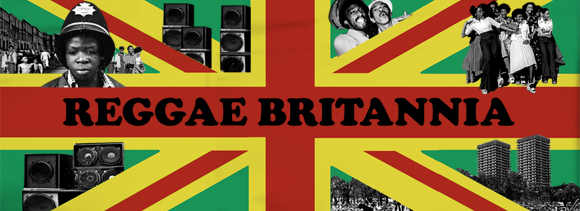
The acclaimed BBC4 Britannia series moves into the world of British reggae. Showing how it came from Jamaica in the 1960s to influence, over the next twenty years, both British music and society, the programme includes major artists and performances from that era, including Big Youth, Max Romeo, Linton Kwesi Johnson, Jerry Dammers and the Specials, The Police, UB40, Dennis Bovell, lovers rock performers Carroll Thompson and Janet Kay, bands like Aswad and Steel Pulse and reggae admirers such as Boy George and Paul Weller.

The programme celebrates the impact of reggae, the changes it brought about and its lasting musical legacy.

https://www.bbc.co.uk/programmes/b00ydp83

You can watch more clips and interviews from the programme as part of the BBC's Music Showcase

Reggae Britannia

2230 - 2400: Reggae Britannia at the Barbican

Repeated: BBC Four - Sunday 2505

An all-star cast celebrates the influence of reggae on the UK's music and culture in a live concert coinciding with BBC Four's Reggae Britannia documentary season.

Expect to hear hits from the 1960s to the present day telling the story of the musical evolution from ska, through rocksteady, roots, dub, lovers rock and beyond. Music director Dennis Bovell assembles a big band featuring some of the most important reggae musicians in the British scene to back up a star cast of singers and toasters including Big Youth, Ken Boothe, Neville Staple, Ali Campbell, Dave Barker, Brinsley Forde, Dennis Alcapone and Winston Reedy, Pauline Black, Janet Kay, Carroll Thompson and Rico Rodriguez.

https://www.bbc.co.uk/programmes/b00ydp85


2400 - 2445: Old Grey Whistle Test - Reggae Concert at the Edinburgh Festival

Live performance specially recorded for Whistle Test from the Reggae Concert at the Edinburgh Festival in 1973, featuring The Cimarons, Winston Groovy, Dennis Alcapone, The Marvels, Nicky Thomas and The Pioneers.

https://www.bbc.co.uk/programmes/b00yl487

2445 - 2530: Rock Goes To College - The Specials

The student-taunting Specials perform at the Colchester Institute in 1979, playing hits such as Rat Race, Too Much Too Young and Gangsters, throwing tambourines at the bouncers and indulging in a little moon-stomping during a stage invasion.

https://www.bbc.co.uk/programmes/b00yk22l

Sunday 13 February - BBC Four

2100 - 2235: Rocksteady - The Roots Of Reggae

The rocksteady era of Jamaican music in the mid-to-late 1960s is considered a golden age because rocksteady's sweet, soulful vocals, romantic but often socially conscious lyrics and prominent basslines gave birth to reggae, which went on to capture the world.

This documentary chronicles the coming together of rocksteady's surviving vocal stars - artists like the Tamlins, U-Roy, Ken Boothe, Leroy Sibbles from The Heptones, Judy Mowatt, Dawn Penn, Rita Marley and Marcia Griffiths - and some of the island's greatest players, to celebrate their greatest 60s hits, perform a reunion concert and celebrate that golden era. Think of it as a kind of Buena Vista Social Club for the great 60s architects of Jamican music. It is also a beautiful portrait of Jamaica.

https://www.bbc.co.uk/programmes/b00ym9n4

2235 - 2335: Rise Up Reggae Star

On an island where reggae is considered the voice of the people and an outlet for survival, Rise Up Reggae Star follows three aspiring artists who seek to 'rise up' from obscurity for their chance at success. This documentary takes the viewer off the beaten path far from any tourist attractions and sandy beaches, yet it is still able to capture the beauty and magic that the Island has to offer. From the deep countryside to the whirlwind ghettos of Kingston, no matter where you are, the film makes it evident that music is the heartbeat of the culture.

https://www.bbc.co.uk/programmes/b00r5wwc

Rise Up Reggae Star

2235 - 2505: Film Babylon

Drama telling the story of Blue, a young man of Jamaican descent living in Brixton in 1980, as he hangs out with his friends, fronts a dub sound system, loses his job, struggles with family problems and has his friendships tested by racism.

https://www.bbc.co.uk/programmes/b00mqc2s

Monday 14 February - BBCFour

1930 - 2030: Love Songs at the BBC - A Valentine's Day Special

Repeated: BBC Four - Monday 2635

It's a time for guilty pleasures, for courtship, for declarations of love, for looking someone in the eye and whispering sweet nothings, accompanied by a compilation of some of the squishiest love songs from the likes of Celine Dion, Joe Cocker and Jennifer Warnes, Jason and Kylie, 10cc and Lionel Richie, all from the Top of the Pops era. If Hot Chocolate and Chaka Khan don't get the temperatures rising, then nothing will.

https://www.bbc.co.uk/programmes/b00ymh70

Next week, more from BBC Four's Reggae season as well as James Taylor & Carole King and Dennis Wilson.

Reggae Britannia

Blog comments are currently unavailable. Find out more.

Post categories:

Jeremy Marre|11:09 UK time, Monday, 7 February 2011

385 Willesden High Road is tucked away behind a row of dilapidated 19th century houses, its entrance obscured by high locked gates and a walled yard. But 385 is a treasure trove of reggae history. It's called Theorem, Music Village, and it's where we're recording several artist interviews for Reggae Britannia. As we arrive, there's a band in the studio rehearsing a romantic Lovers Rock number, there's a man up a rickety ladder painting the walls and another mopping up from an all night dance in the 'functions room' with its damp lino and garish red felt walls.


T-Jae, the tall soft-spoken proprietor of what was once called BBMC (the Brent Black Music Cooperative) helps us with our camera gear. He's got coffee brewing in the kitchen beside an open can of condensed milk. Before T-Jae's time this was a leisure centre filled with rattle of pinball machines and the click of snooker balls - now replaced by the drum 'n bass of reggae rhythms leaking from the studio.

We're here to interview Dave Barker, one half of the Dave and Ansell Collins vocal duo who set the teenage mods alight, back in 1971, performing a novelty number called 'Double Barrel'. Dave's a quietly spoken man with a hint of a stammer. He tells us how, when he first came to this country (and he stayed here ever after) he peered out through the window of his BOAC plane as it banked over the smoking chimneys of the snow-covered houses below and wondered 'how come they have so many bakeries in England?' On the drive from the airport he was shocked at seeing white men digging the road and taking out garbage: 'Wow man, that was strange, you didn't see those things in Jamaica'. Nor dogs wearing winter vests, nor steak and kidney pies, nor that little sparrow he spied pecking the top off a milk bottle. He can't help himself: Dave sings a refrain from Matt Munro's 'Born Free' and segues into 'Summer Holiday'.

Dave arrived in the U.K exactly ten years before Theorem opened its doors to top British and Jamaican reggae artists passing through. Today, there's the legendary Max Romeo sitting on bench in the winter sunshine, his grey locks neatly tucked into a woolly beret. In 1969, Max brought his wicked song 'Wet Dream' to Britain and its risqué lyrics - which got it banned in clubs and on the BBC - made it an anthem for skinheads in dance halls all across Britain. He sings a few lines, diffidently explaining how it caused an 'upstir' among the rebellious youth of the time. He's a little ashamed of it now because, by the mid 70s, Max had embraced the wisdom of Rastafari. That was when he wrote and recorded some of reggae's most powerful and memorable music in the Black Ark studio of Lee Scratch Perry: 'War In A Babylon' and 'Chase The Devil'. When those songs arrived here, first as pre-releases and then remixed by Island Records, they inspired our fledgling roots reggae bands and then the punks and then Bob Marley too. Max intones a few lines from 'Chase The Devil', an ironic, cautionary tale that has been covered or sampled by dozens of musicians - including Jay-Z in 'The Black Album' - and was featured in the video-game Grand Theft Auto.
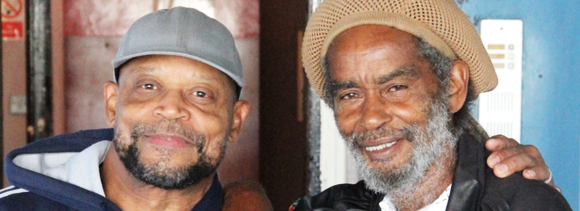
Dave Barker and Max Romeo - by Irfhan Mirza

Dave Barker and Max Romeo - by Irfhan Mirza

'I'm gonna put on an iron shirt and chase Satan out of earth' he sings. 'I'm gonna send him to outer space to find another race'. Max explains: 'The devil is the negative within the psyche. Chasing the devil means chasing the negative out of your mind.' There are people wandering in and out while he speaks; musicians carrying drums and guitars into this studio that's cold as a morgue, or dropping off an amp or a heavyweight speaker, or they've come to pay their respects to the master, with a hug or a high-five.

T-Jae comes sauntering by with a piece of carpet under his arm to help our sound recordist dampen the 'live' acoustic of the room (yes, we still have a sound recordist on our crew) and he tells me that among the band members in the studio today is none other than Bigga Morrison. Bigga's not a front man like Max, but a keyboard virtuoso and music director of renown. Reggae royalty. The band take a another break for a smoke in the yard and Bigga, immaculate in pin-striped suit and brogues, describes growing up in this country as a second generation West Indian:

'My parents had experienced troubles and threats on the streets, back in the '50s, with the Teddy Boys and such, but they wouldn't discuss those things because they wanted to keep you free from the pressures. But as we grew up, we took our message and our fight onto the streets with the roots and culture music we played in bands like Steel Pulse and Aswad.'

Later during the interview, I asked Bigga to show us how the British reggae producers, back in the early 1970s, added violins to the Jamaican imports to make them sound 'more classical'. Unfortunately, he's lost his glasses and so can't read the score. Tee Jay's on hand to send for a replacement pair. Bigga fills in time by playing us a delightful new track by his band the Skatronics, but when the glasses arrive, they're all wrong for Bigga. He wears them anyway, and peers astigmatically at the music for 'Young Gifted And Black' which is layered in symphonic-style strings. Bigga (educated at Trinity College of Music) explains how Jamaican reggae gradually transformed into a British musical experience, first through the dub sounds and conscious lyrics of hardworking roots groups like Aswad and then by the bands that went platinum: the 2 Tone crowd, UB40 and The Police.

Bigga's being called back to rehearsals now, so we break for a late lunch. It's a choice of The New Golden Duck Chinese Take Away or the Caribbean place half a mile up the road. We do the walk and settle for salt fish and akee. Or rather, the others do. I choose the goat curry on plantains and soon regret it.
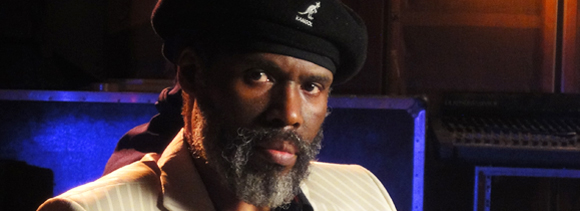
Bigga Morrison

Bigga Morrison

Back in Theorem, Bigga's at the keyboards and a couple of pretty female vocalists are delivering more saccharine Lovers Rock. And that's where we see Big Youth, in among them, gyrating his hips to the pounding bass and chugging upbeat of the guitar. He's chaperoned by a petite Italian lady from an artists' agency called Roots Rockers. She's Trish, and she's exhausted because they've only just returned from a nightmare flight from Spain. Trish is a miracle of calm and efficiency in the maelstrom of the struggling reggae business and it's clear all the artists adore her. Trish has offered us the opportunity to interview Big Youth, the toaster who excited British reggae fans with his revolutionary, rasta-inspired lyrics in the mid '70s. He's on top form today, his wiry body twisting and swaying in the interview chair as he sings lines from 'Hit The Road Jack', telling me how the great Ray Charles called him up one Christmas-time to admit that Big Youth's version was just 'the best'. 'Big Youth stole the scene,' he concludes. Modesty isn't one of Big Youth's virtues. But I can vouch for his status, and integrity. I first met him inside Randy's Record shop in Kingston Jamaica back in '77. He was checking out the sales of his album - visiting these record stores was about the only way an artist could tell how many were selling. He was as big a name as Marley at the time, and revered both on the island and over here. We met again - by chance - in Lagos, Nigeria, when he was on the run from some unscrupulous promoter. He's older and greyer now, but with no loss of energy, showmanship or sharp humour. And the red, gold and green implants in his front teeth are still there.

The filming days at Theorem haven't only been productive for our ninety minute programme, they've also been enormous fun. Maybe it's the familiarity and affection the artists have for this building, or maybe it's what they call 'the spirits' of the house: a combination of all those sounds and experiences imbedded in the cracking plaster walls, the creaky floorboards which once the feet of hallowed artists trod, or the reverberating bass you can hear down Theorem's honeycomb of corridors.

We'll be back here later in the week to interview the fiery, bubbly Lovers Rock singer Sylvia Tella, from Manchester; and Tippa Irie who came to fame DJing for the Saxon sound system, and maybe Dennis Bovell, the multi-talented producer/song writer and bass player, who did so much to anglicise reggae music in this country. Oh, and Trish says Dennis Alcapone's coming by, the dapper, bowler-hatted vocalist who brought a whole new style of toasting to these shores with songs like 'Guns Don't Argue': 'Don't call me Scarface, my name is Capone, C-A-P-O-N-E!'

For him, we'll haul our equipment boxes down the dark corridors of Theorem (we never could find the light switches, thriftily hidden away in recesses above door frames). Because we'll place him in a room, behind the studio, which is every reggae fan's dream, an Aladdin's cave of antique tape machines and mixers, and an expansive crimson casting couch. The wood-trim Rainderk desk dates from the early '70s when Reggae first exploded onto our pop charts with songs like 'Young Gifted And Black', bringing an upbeat musical thrill not just to those of Caribbean origin and the packs of skinheads who followed them around the country, but to the whole nation. This mixing desk was donated by Pete Townshend of The Who. It has made history since, recording reggae artists like The Wailers, Gregory Isaacs, Aswad, Janet Kay, Maxi Priest ... and so many more.

The traffic's slow on Willesden High Road as we leave the studios and T- Jae waves us into the evening gridlock and shuts the gates. Back-in-the-day, Theorem would be filling up with dreadlocked musicians and their natty entourage, ready for another all night session. Sometimes it still does, but with the proliferation of cheap home studios and a music industry in crisis, it's a whole lot quieter now. No sessions tonight. Just the rattling pipes, the whispering corridors, the vacant studio and the ghosts of British reggae history.

Jeremy Marre is the Producer and Director of Reggae Britannia which screens Friday February 11 at 9pm on BBC Four.

Watch more clips and interviews from Reggae Britannia on the BBC's Music Showcase.

Music TV - February 3 - 9

Blog comments are currently unavailable. Find out more.

Post categories:

Rory ConnollyRory Connolly|13:00 UK time, Thursday, 3 February 2011

Hi there, 

More televisual highlights, this week featuring Fleetwood Mac, Lemmy, Eric Clapton and Iggy Pop.

Enjoy;


Friday 4 February - BBC Four

1930 - 2030: Proms 2010 - Paul Lewis Beethoven's Piano Concerto No. 5

Over the Proms season in 2010, Paul Lewis performed the complete cycle of the five Beethoven piano concertos. Here is his performance of the mighty 5th Concerto, the 'Emperor', at the Royal Albert Hall with the Royal Scottish National Orchestra conducted by Stephane Deneve. Leading up to the performance, Paul is in conversation with Charles Hazlewood to discuss his approach and thoughts about the cycle as a whole.

https://www.bbc.co.uk/programmes/b00y5kgx


Watch more clips from the Proms at our Proms and Beyond Collection on the BBC Music Showcase.

2030 - 2100: Transatlantic Sessions

Folk musicians come together in what have been called 'the greatest backporch shows ever'. Featuring harpist Catriona McKay, fiddler Bruce Molsky and Tim O'Brien.

https://www.bbc.co.uk/programmes/b0082hyv


2100 - 2230: Peter Green, Man Of The World

Repeated: BBC Four - Sunday 2340

After years battling his mental illness, Peter Green is writing and recording again. Featuring archive performances and interviews with Carlos Santana, Noel Gallagher, founding members of Fleetwood Mac and Green himself, this film tells the story of one of blues rock's living legends.

https://www.bbc.co.uk/programmes/b00k92x1


2230 - 2330: Fleetwood Mac - Don't Stop

Repeated: BBC Four - Sunday 2240

Fleetwood Mac are one of the biggest-selling bands of all time and still on the road. Their story, told in their own words, is an epic tale of love and confrontation, of success and loss. Few bands have undergone such radical musical and personal change. The band evolved from the 60s British blues boom to perfect a US West Coast sound that saw them sell 40 million copies of the album Rumours. However, behind the scenes relationships were turbulent. The band went through multiple line-ups with six different lead guitarists. While working on Rumours, the two couples at the heart of the band separated, yet this heartache inspired the perfect pop record.

https://www.bbc.co.uk/programmes/b00nq7q9

Eric Clapton


2330 - 2430: Eric Clapton and Steve Winwood from Madison Sq Garden

Repeated: BBC Four - Sunday 2510

Reunion concert by Eric Clapton and Steve Winwood at New York's Madison Square Garden in 2008. The rock legends took to the stage together for just three concerts in a highly anticipated collaboration, performing a string of hits that included Blind Faith's Presence of the Lord and Can't Find My Way Home, in addition to Clapton's classic After Midnight and Winwood's Dear Mr Fantasy.

https://www.bbc.co.uk/programmes/b00k9cbz


2430 - 2530: Forever Young - How Rock 'N' Roll Grew Up

Documentary which looks at how rock 'n' roll has had to deal with the unthinkable - namely growing up and growing old, from its roots in the 50s as a music made by young people for young people to the 21st century phenomena of the revival and the comeback.

https://www.bbc.co.uk/programmes/b00sxjls


Next week; Rachmaninoff and Reggae Britannia.

Take care of yourselves.

Rory

BBC Introducing Masterclass

Blog comments are currently unavailable. Find out more.

Post categories:

Jason Carter|10:52 UK time, Wednesday, 2 February 2011

So the very first BBC Introducing Musicians Masterclass is upon us, the culmination of six months planning.


BBC Introducing Masterclass

Since the launch of BBC Introducing back in 2007, we've tried to remain super clear on its specific purpose, for the BBC to support new UK musicians where we can, with unique opportunities and access to help them progress to the next stage in their own development. This isn't necessarily about finding the next big act or success story, although if and when that happens it's an added bonus.

I've managed bands in the past, before my time at the BBC, and it seemed like the holy grail just to get to talk to the key players in the industry, or indeed within the BBC, and to get a reply or your music listened to was invariably a pipe dream. So where are we now? Well, we still have a long way to go, and we can't satisfy all 37,000 musicians who have now uploaded music to the BBC. But just to have a formal place you can send your music to, receive an email response, and have it heard, is a great start. As it stands, almost 75% of all music uploaded has been heard and responded to. The BBC facilitating slots for brand new acts at the major festivals, at the Maida Vale studios for recorded sessions, and just recently a dedicated Radio 1 Playlist slot, are huge steps in the right direction, but we know we can go further in our unique position.

The Masterclass is the next stage in our development, an ever evolving proposition. What better places to host the day than Abbey Road and Maida Vale studios, both steeped in history. I was fortunate enough to walk into Maida Vale with one of my bands many years ago for a Peel session, we were humbled. But to be there and also hear top UK talent, leading BBC music presenters and key industry players spending time giving their own experiences to new artists - as pure as simple as that, should, if we get it right, be fantastically insightful. And the beauty of it all is, whilst only 250 musicians can be there, all musicians from around the UK can see it all via the three online live streams and watch it on the BBC Introducing site anytime after that.

Hopefully the BBC Introducing Masterclass is here to stay...

Jason Carter is the Editor of BBC Introducing