Climate Asia: explore the findings
Over 33,000 interviews. Seven countries. Over 10 KB of data. The largest ever research study into people’s perceptions of climate change in Asia has published its results – and they’re all available online.

Last Saturday in Dhaka my colleagues and I presented the findings of Climate Asia – the largest ever study in the region on people’s perceptions of and responses to their changing environment. Over two years and across seven countries, our team of researchers carried out 33,500 interviews with people from fishermen and farmers to slum dwellers and urban professionals.
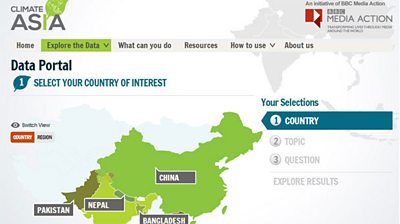
The project not only captured people's stories and experiences but created a range of tools which allow users to explore the stories of those most affected by changing weather and how communication can help them.
Along with country reports, we have built a free searchable website capturing findings from every single interview, a segmentation model prescribing communication approaches for different vulnerable audiences and a guide to developing communication strategies.
Living research
We wanted to make sure our research could be tailored to different organisations’ needs and does not just sit on a shelf. Research that is not used is dead research and we want to do justice to the people who have shared their stories and told us they need a lot more help.
That's why we are launching the project’s findings one country at a time around the region, holding sessions with the individuals and organisations best placed to use our tools to support those at the front line of climate change. These include governments, media houses and NGOs as well donors and the private sector.
We’ve encouraged these stakeholders to know their own audiences to better to meet their needs, which is the ethos behind Climate Asia. However, to do this properly we first needed to understand our own audiences for our work.
Beginning in Bangladesh
In Bangladesh, recently dubbed the ‘adaptation capital of the world’, our approach was to run a workshop drawing on practitioners' own experiences of the interventions but using our findings and insights to tackle barriers to taking action.
The workshop resulted in some lovely creative ideas for programming, such as a soap opera about migration for women in slums. With over 70 different organisations in the room there was a genuine sense of excitement about what our data and communication could bring to an already thriving sector.
Delhi bound
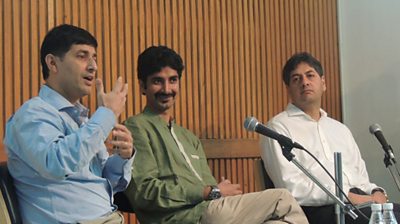
Our top-line finding was a challenge to the climate-change communication sector in the country: “Indians are the least willing and able to respond to climate change.”
We also hosted a debate on some of our key findings with leading figures such as Vikram Chandra, CEO of major network NDTV, Navroz Dubash, Senior Fellow at the Centre for Policy Research and well known youth activist, Vimlendu Jha.
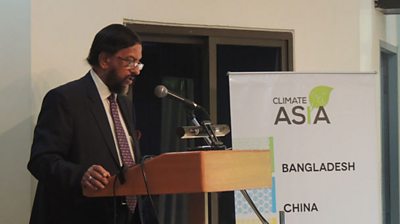
This time the audience was challenging, engaged and interested to learn more about our products, methodology and plans for what happens next – in short, it was everything we had hoped for.
We felt a real appetite in the room for a new language and approach to communicating on climate change in
India, and a sense that some of the sector’s leaders recognise this is
something we can bring to the table.
Next week we launch in Kathmandu where we will present our findings to a new audience with new priorities. But as in Bangladesh and India, we’ll work to make sure they find our products just as relevant and useful.
Related links
Follow BBC Media Action on Twitter and Facebook and follow Climate Asia on Twitter
Search by Tag:
- Tagged with StoriesStories
- Tagged with Climate AsiaClimate Asia
- Tagged with AsiaAsia
- Tagged with Resilience and humanitarian responseResilience and humanitarian response
