Bigger, better Mojocon 2016 sees Android as the mojo one to watch

Marc Settle
specialises in smartphone reporting for the BBC Academy
The mobile phone world is notorious for its yearly upgrade cycle: buying a product this year risks leaving you with ‘new gadget envy’ when its replacement appears 12 months later – faster, thinner, more expensive (of course), and that little bit better.
But there was one event I doubted could be bettered a year later given how good it was the first time around: Mojocon - the now-annual gathering of mobile journalists in Dublin.
Last year's conference blew me away with the quality of speakers and range of topics. Yet somehow organiser Glen Mulcahy of Irish national broadcaster RTE managed to make this one more impressive, productive and instructive.
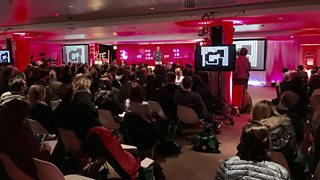
More than 500 delegates, 40 speakers and dozens of exhibitors gathered in Dublin over the last weekend in April to talk all things mobile in the impressive surroundings of the Aviva Stadium, home to the national football and rugby teams.
The event ran across two days, often with two sessions taking place at the same time in different locations, meaning delegates were forced to choose. Would hearing from “disruptors” in the mobile space be better than “educators”? Would learning about the developments in shooting 360 video be more interesting than a debate pitting the merits of smartphones against DSLR cameras or GoPros?
The degree to which I, and no doubt many others, were torn over which session to attend was a testimony to the quality of the conference.
Rather than presenting a detailed, chronological recap of the event (if you're interested in that take a look here or here), I want to reflect on just a couple of themes which emerged from the sessions I attended (when I wasn't delivering workshops myself).
Some of them had familiar echoes of last year: particularly that smartphones are merely tools to gather and share content and, while their size and less-intrusive nature can help capture some stories, the focus on the stories being told must never be lost.
Other recurring themes included the importance of good audio on smartphone video (an element too often neglected) and that, while a smartphone on its own can gather pretty good material, a few decent accessories (most notably a tripod, a microphone, a light and a spare battery) can help in circumstances that most devices would find challenging.
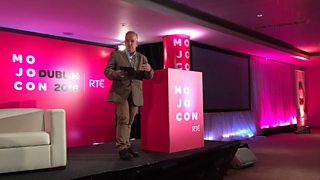
One aspect which stood out for me was the growing importance and usefulness of Android to mobile journalism. This was reflected in the growing number of sessions devoted to exploring the workings of the Google-owned operating system. At Mojocon 2015, Android had merely been a footnote.
There's something of a paradox in terms of the divide between iOS and Android. While the smartphone market in the EU splits very roughly 80/20 in favour of Android, at Mojocon the vast majority of smartphone owners were using iOS – perhaps even enough to turn that 80/20 ratio on its head.
Several speakers spoke forcefully about the need for the mojo community to take greater note of the power and prevalence of Android, particularly in developing nations where cheaper Androids dominate and are the only device journalists use to tell their stories. Bjorn Staschen of German broadcaster NDR has blogged about the opportunities and challenges of Android mobile journalism. And anyone who wants to learn how to get the best out of their device for reporting should look at this slideshow presented by the German trainer Bernhard Lill.
Last year's Mojocon took place just as live-streaming was becoming the hot new thing in mobile journalism. Meerkat had launched just over a month earlier, while Periscope hit the iOS app store the same weekend as the event. As if to emphasise how quickly the mobile space develops and changes, Meerkat is pretty much defunct while Periscope is battling hard against the huge challenge of Facebook Live.
Journalists – mobile-centric or not – too often can latch on to this week's hot new trend without pausing to think and reflect on how, when and why to use it. It was therefore good to hear speakers counsel caution in the headlong rush to go live.
One of them was BBC Radio 5 live's Nick Garnett (above) who likened the chances of finding something newsworthy to watch on a live-streaming service to going into the British Library wearing blindfolds and mittens and finding the book you're after.
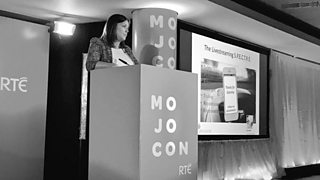
The former BBC reporter-turned-consultant Sue Llewellyn (pictured speaking in top image) really brought some of the tough issues around live-streaming to life, tackling safety, privacy, ethics, copyright, trolling, reputational risk and emotional trauma in her very powerful session.
Speakers such as StoryLab founder Sarah Redohl sounded similar warnings about 360 video and virtual reality. Are those two new(ish) technologies this year's Meerkat? I'm going to say ‘probably not’.
What Mojocon ultimately did was bring many of the leading practitioners, innovators and educators of the now-global mojo community into the same place at the same time to share ideas, discuss best practice, laugh and (being Dublin) drink. The challenge now is for Mojocon 3 to be even better.
Our other blogs by Marc Settle
Smartphone training for journalists
Our other blogs by:
