How to make it as a digital entrepreneur in 18 months

Charles Miller
edits this blog. Twitter: @chblm
Anastasia Kenyon only went into business last year but she is already a successful digital entrepreneur.
She accepted a lucrative offer from a bigger company for her growing online makeup business and now she manages teams in Manchester and London and has big plans for the future.
As Digital Cities week kicks off in Bristol, devoting Wednesday October 18 to Developing Digital Talent, I asked Anastasia to tell her story and explain why she believes anyone can make it as a digital entrepreneur if they put their mind to it.
Anastasia relaunched her website as Lifestyler last week, with the original concept of booking makeup artists now expanded to include many other services.
If you want to learn from some of the most successful digital entrepreneurs in the world, a podcast called Masters of Scale, hosted by the founder of LinkedIn, Reid Hoffman, has a stellar cast of contributors – from Mark Zuckerberg and Sheryl Sandberg of Facebook to Eric Schmidt of Google and many more.
Throughout the podcasts, Hoffman tests his own theories on his guests. I put some of them to Anastasia to see what she made of his ideas about startups:
Hoffman: “When it comes to launching a product, imperfect is perfect. If you’re not embarrassed by your first product release, you’ve released it too late.”
Anastasia: “I could not agree more. Imperfect is perfect because an innovative company never stops perfecting its product. If you’re not slightly embarrassed by anything you release, there’s no room for improvement. Constant innovation is what tech and being an entrepreneur is all about.”
Hoffman: "The best entrepreneurs devote themselves to understanding and serving a teeny group of users and don’t always recognize that this intimate link is precisely what enables their product to evolve for the mass market."
Anastasia: “That definitely resonates with me and my journey. If I didn’t understand the way that individuals used my platform for one particular marketplace, I wouldn’t have been able to use those learnings in a wider scope as I do now.”

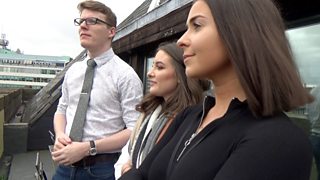
The Lifestyler team in transit to their new office
Hoffman: "The opportunity to build an enduring product far outweighs the costs of alienating a few users along the way. And the sooner you internalise that tradeoff, the faster you’ll move along the path to scale. So quit fussing."
Anastasia: “When I started out, I made it my sole purpose to try to please everyone. You soon realise that decisions you make aren’t for everyone, but still might be better for the company. The sooner you realise you’re going to piss people off, the better.”
Hoffman: “To really give your employees the freedom to experiment, you have to get comfortable with embarrassment.”
Anastasia: "I think giving people freedom when you’ve started something on your own is really difficult because you have an idea of how you want to move it forward. But giving other people a voice will definitely add to your understanding – because your buyers aren’t you either, so letting someone else look at your product from a different viewpoint is probably one of the best things you can do. You have to become open to not being 100 per cent in control."
There’s more about Digital Cities on the BBC Academy website, including details of its theme of Developing Digital Talent.
