About the BBC - BlogAbout the BBC - Blog
Local Navigation

Archives for July 2011

New F1 deal explained

Post categories:

Steve BowbrickSteve Bowbrick|16:36 UK time, Friday, 29 July 2011

On the BBC Sports Editors' blog this afternoon, Ben Gallop, Head of Formula 1, explains why the BBC will be sharing coverage with Sky from next season. He says:

The headline is that under a seven-year deal starting next season, we will be showing 10 of the races in the F1 calendar, plus the corresponding qualifying and practice sessions, live on BBC TV. We will broadcast extended highlights for the rest of the grands prix just a few hours after the chequered flag has been waved. Sky will have live action from all races, qualifying and practice sessions...

Read the rest of Ben's post and leave a comment on the BBC Sports Editors' blog, read the story on the BBC Sport web site and in the BBC's press release.

New digs for BBC R&D in the North

Blog comments are currently unavailable. Find out more.

Post categories:

Steve BowbrickSteve Bowbrick|14:48 UK time, Thursday, 28 July 2011

 XXXXX

Over the years BBC Research & Development has hit many a milestone. Even before the department's official beginnings in 1930 it had been involved with the creation and delivery of some of the most significant and game-changing innovations in broadcasting - and this level of engineering creativity is the department's raison d'être.

R&D's tremendous technology track record includes; enabling the first colour transatlantic TV transmission in 1962, the World's first ever demo of digital stereo audio recording in 1971 and believe it or not it helped to create the first ever high definition film broadcast by the BBC - The Ginger Tree back in 1989.

The department has created these innovations from a few different homes over the years but it's in the last decade that some of its number have made their biggest move - and the move was North. By October 2009 five R&D trail blazers had left the South Labs and moved to Manchester. These five engineers followed in the footsteps of three even more intrepid explorers who had scoped out the region and had established an advanced R&D presence which kicked off back in 2006 - you can't say R&D aren't thorough in their investigations... The new North team then made do with a snug corner of BBC Manchester Oxford Road's buildings while they waited for the completion of their brand new R&D lab at MediaCityUK.

Now, though they are all moved in and have made their presence known with a bang! On 13th June the first R&D North staff had their feet under their new desks and from 2nd - 17th July some of the team were showcasing their Virtual Maestro prototype (designed to explore novel forms of user interaction) to audiences at the Manchester International Festival.

The team are pretty excited about their new home and know that having a base in the North will hugely benefit its partnerships and the collaborative projects it undertakes with companies, indies and universities right across the North, indeed the recent announcement of the BBC Audio Research Partnership working with the University of Salford among others is a prime example. So, now they have settled in at MediaCityUK they want to take this opportunity to introduce themselves. Tony Churnside's shot this whistle-stop tour of the new lab on his mobile and, on the R&D blog, you'll get a more in-depth video introduction to the department and even more insight into their North HQ.

Steve Bowbrick is editor of About the BBC

The Proms are under way

Blog comments are currently unavailable. Find out more.

Post categories:

Steve BowbrickSteve Bowbrick|17:44 UK time, Friday, 22 July 2011

Roger Wright is Controller of BBC Radio 3 and Director of the BBC Proms. Last Friday he was at the Royal Albert Hall for the first night of this year's festival. He'll be there every night, for every performance. I spoke to him on the steps down to Prince Consort Road, amongst an excited crowd of Prommers, just before the first concert, featuring Benjamim Grosvenor and the music of Judith Weir, Brahms, Liszt and Janáček (you've still got a few hours to listen again to Prom number one: I can recommend it).

The Prommers - the passionately loyal and opinionated regulars who fill the standing places in the Royal Albert Hall's arena (and upstairs in the gallery) are the backbone of the festival. I spoke to some of them too:

Steve Bowbrick is editor of About the BBC

  • Keep up with the schedule for this year's festival on the brand new Proms web site. Visit the web site from your mobile phone and you'll find a tailor-made mobile web site with easily accessible information about the performances and a play button so you can listen on the move (live streaming is not available on all mobiles).

Marketing the BBC at MediaCityUK

Blog comments are currently unavailable. Find out more.

Post categories:

Simon LloydSimon Lloyd|09:06 UK time, Friday, 22 July 2011

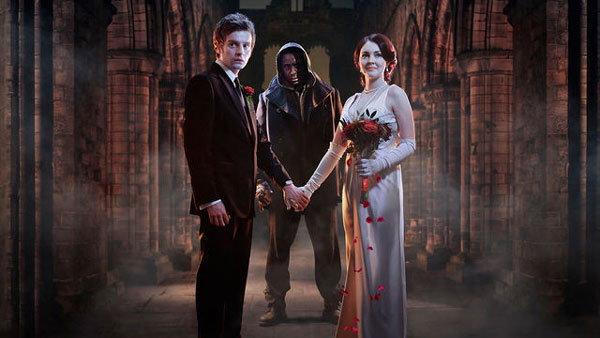
Lacey Turner, David Harewood and Andrew Gower in Frankenstein's Wedding... Live in Leeds

They might not make great telly moments like the World Record hula-hoop marathon marking the move of Blue Peter to Salford, but over the last few months there been other moments marking the start of a significant cultural shift for the BBC.

One of these moments happened a few weeks ago with the start of the move of parts of the BBC's Marketing and Audiences departments to MediaCityUK . This state-of-the-art site will become the home for me and over 70 Marketing & Audience colleagues who will all be based here by the end of the year.

One of the reasons we are here in Salford is to help bring the BBC closer and be more relevant to our audiences based across the North of England. Currently around just eight per cent of BBC programmes are made in the North despite a quarter of all licence fee payers living in the region, but BBC North is part of the BBC's commitment to spend the Licence Fee more fairly across the UK.

While we are only just moving into our buildings at Salford Quays, we have been investing in programmes and content across the North of England over the last few years. This has translated into fantastic content such as the award winning TV event, Frankenstein's Wedding... Live in Leeds and critically acclaimed dramas such as United, 32 Brinkman Street, South Riding and Eric and Ernie. Projects such as @North have also enabled us to invest £500,000 in new digital content for the CBeebies and CBBC audiences from companies across the North of England.

We hope by being here we can serve our audiences across the country better - understanding what they want, what they like and dislike and helping them find, enjoy and interact with the content which they love. We're also giving people more of a platform for getting involved in BBC activities - for example being involved in events such as the Manchester International Festival as we were this year. This all reflects a real aspiration to reflect the audience better and help drive approval ratings in areas which have traditionally been lower.

Being based in Salford Quays also gives us the opportunity to work with local agencies and recruit from creative talent pools to ensure we have the best and most creative workforce and helps us deliver our commitment to the North of England to build and develop a workforce in Salford that is among the best trained and most flexible in the media.

Indeed we are currently engaged in an ambitious recruitment process which will help achieve this and have already attracted some really exciting talent from the region such as Charlotte Thompson, former Director at agencies BJL and McCann Erickson, who's joined BBC North as Head of Media and Audience Engagement and Martin Tapley, Research Manager for Audiences in Learning, previously an Account Planner at TBWA\Manchester.

So what will this mean for our audiences? Our role is to partner with the BBC's editorial teams in helping them to make the highest quality programmes that they can and then help them to reach the largest audience possible through creating compelling and engaging campaigns.

We're responsible for a diverse range of areas including Marketing, Media Planning, Audiences and studios and tours. As well as representing the content areas based at BBC North including BBC Children's, BBC Radio 5 live, parts of Future Media & Technology, BBC Learning, BBC Sport and BBC Breakfast - we also working hard to make a difference across the whole of the organisation, pioneering flexible and innovative ways of working and ensuring the maximum amount of the licence fee is spent on things our audience love.

Our dedicated teams will continue to shape the future of some classic brands and promote some of the best loved shows in the UK, ensuring a distinctive northern flavour in the tradition of the award winning Frankenstein's Wedding... Live In Leeds. We'll also be making even better use of tools such as audience interaction and social media to drive approval from audiences.

The challenge of engaging audiences across the whole of the UK - reflecting the nation back to itself - is not one which will be delivered overnight. The BBC is only at the beginning of this journey but it's truly exciting for Marketing and Audiences to be playing such a key role in helping create a closer connection with audiences in the North.

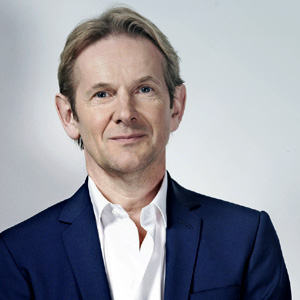
Simon Lloyd is Director of Media Engagement and Marketing & Audiences, North.

From the BBC Radio blog - Andy Parfitt says goodbye to Radio 1

Post categories:

Andy Parfitt|09:32 UK time, Thursday, 21 July 2011

Andy Parfitt

Editor's note: this post appeared on the BBC Radio blog at 0930 this morning. It confirms the announcement made earlier in the morning that Andy Parfitt is to step down as Controller of Radio 1 from 31 July. Read the post in full and leave a comment on the BBC Radio blog - SB

After 13 years I'm setting down the Controllership of BBC Radio 1 (and 1Xtra and The Asian Network and BBC Popular Music). I've clearly believed passionately in really sticking at a strategy for the long-term, based on the understanding that real change only happens with sustained effort over long periods - but 13 years (a record period at the helm in Radio 1's 44 year history) is enough for any one leader... Read on.

The BBC's Annual Report and Accounts for 2010/11

Blog comments are currently unavailable. Find out more.

Post categories:

Mark ThompsonMark Thompson|11:00 UK time, Tuesday, 12 July 2011

Adele appearing in the Radio 1 Live Lounge during 2010

Today sees the launch of our Annual Report, heralding the end of an exceptional year for the BBC - a year marked by outstanding creativity, and major change within the organisation.

Highlights for me include the BBC Three documentary series Our War which I sat and watched with my own teenage children. It was exhilarating, disturbing, heartbreaking. And utterly gripping. It characterised much of the best of what the BBC achieved last year.

Other high points include Brian Cox's Wonders of the Solar System, and A History of the World in 100 Objects which was a phenomenon on BBC Radio 4, but with expressions and extensions across BBC services. The BBC Proms had one of its most ambitious and exciting season for many years while drama on television enjoyed creative success across a broad front: from Stephen Moffat's Sherlock to the unforgettable Five Daughters. It was also an extraordinary year for international news with the Japanese tsunami, events in the Middle East, and the death of Osama Bin Laden.

Audience performance and approval has been strong, with further growth for many digital services, but of course not everything has gone right. In addition to the occasional creative misfires, the Miriam O'Reilly case was a reminder to the whole of the BBC of our duty to reflect, on air and in all our employment practices every part of the society we serve.

There were big events behind the scenes over 2010/11 as well, above all a licence fee settlement completed in record time last autumn. The settlement gives the BBC certainty over its funding for many years and will help us plan for the future, but the settlement means we need to find savings and make difficult choices. We've already taken significant steps to prioritise spend on content and services, reducing senior management pay and numbers and top talent fees, and making many other savings. This year we will take that agenda to the next stage as part of a comprehensive plan for the BBC between now and the end of our Royal Charter in 2016.

We are hard at work on this plan right now. Inevitably, there are many difficult questions and trade-offs to work through. We know, however, that both our governing body, the BBC Trust, and the British public will want to ensure that the commitment to quality and originality which marked the best of 2010/11 will guide all our decisions about the future. Now more than ever, we are determined to put quality first.

Mark Thompson is Director General of the BBC

Dragons' Den goes back to school

Blog comments are currently unavailable. Find out more.

Post categories:

Sam LewensSam Lewens|15:56 UK time, Monday, 11 July 2011

Today sees the culmination of a project we've been running with schools across the North of England called 'Dragons' Den Goes Back to School'. Inspired by some work the team at Waterloo Road and BBC Outreach did last year where schools wrote and filmed their own episodes of the drama, we have spent the last few months working in our own way with students from Sunderland, Bolton, Lincoln and Bradford. By using the power of the Dragons' Den brand we've been trying to encourage the next generation of British entrepreneurs by giving Year 10 pupils a unique opportunity to pitch a business idea to the fearsome Dragons.

Each of the schools were personally set a business challenge by the Dragons - a particular market or sector that they wanted the students to tap into and work out a way of exploiting financially. The aspiring young entrepreneurs then spent a couple of months developing their idea, under the mentorship of some of my wonderful (and hard-working!) Dragons' Den team.

On the day of filming, I have to say I was worried. Having seen around 400 entrepreneurs walk up those few but intimidating Den stairs, and seen dozens of those go to pieces (a totally understandable reaction by the way, I dread to think what I'd be like!), the parent in me was desperately trying to think of ways to protect them. In the end, the best way was to ensure my team gave them as much information and training as possible about what it might be like, trust that their fantastic teachers would do the same, and then find a sofa to put in the gallery and hide behind!

To their absolute credit, the students who pitched to the Dragons did a spectacular job. Each of the four pitches were either educative, informative or entertaining (recognise those values from anywhere?), and in most cases, were all three. And although one school did falter slightly during their pitch (I did have to calm our director down who instinctively was going in for the big close-up at that point!), those students had such a good business proposition and were so clued up on what it was about, that the Dragons instantly forgave them their stuttering start.

In a change to the usual format, the young entrepreneurs didn't find out which of the Dragons may have been 'in' or 'out' on the day, because that is what tonight is about. All the pupils and the teachers who have committed so much time to the project, will come to the BBC's new home in the north - MediaCityUK in Salford - to see an edited version of their pitches, and find out what our five influential business leaders thought of their ideas.

There's also the small matter of having two awards up for grabs. The Dragons will be presenting one for best pitch and one for best idea. But really what is important is that as well as producing what will hopefully be a hugely successful 9th series of Dragons' Den, we are able to take advantage of those assets that we have here in BBC North, in order to give potential entrepreneurs of tomorrow an opportunity that will hopefully shape their perspective on what it takes to succeed. How many students can boast on their CV that they have pitched to five of Britain's most successful business leaders, and lived to tell the tale?

Aside from this project, it's been a big year for us on Dragons' Den. Not only were we successful in getting a three series deal, (thanks both to Janice Hadlow - Controller, BBC TWO and Mark Linsey - Controller, Entertainment Commissioning), but we also have a new Dragon for this series - Bolton-born Hilary Devey. She has certainly put her individual stamp on the Den, as this year's entrepreneurs will no doubt attest, and I'm certain our viewers will welcome her addition.

Finally then, back to tonight. Working on one of BBC Entertainment North's longest running shows is a privilege in itself, but having the opportunity to experience at first hand, the impact that the show has, in this instance on some of our younger audience, is a real treat. I just hope they think that we've given them a bit of a treat in return.

Sam Lewens is Executive Producer of Dragons' Den

  • Dragons' Den Goes Back to School is a collaboration between Dragons' Den and BBC North. The project aims to help develop entrepreneurial skills from initial idea, through planning, budgeting and marketing all the way to pitching for investment. The schools' pitches were for educational purposes, not for actual investment and will not be shown on network television.
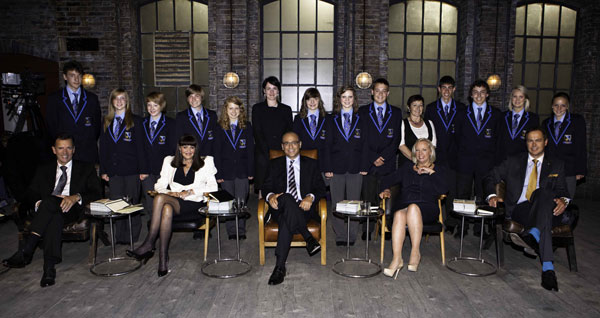
  • The picture shows Lincoln Castle Academy in the Dragons' Den with Dragons (L-R) Duncan Bannatyne, Hilary Devey, Theo Paphitis, Deborah Meaden and Peter Jones.
  • There's always more news and information on the BBC North web site and on the BBC Outreach web site.

Explaining 'the Rajars'

Blog comments are currently unavailable. Find out more.

Post categories:

Roger BoltonRoger Bolton|17:04 UK time, Friday, 8 July 2011

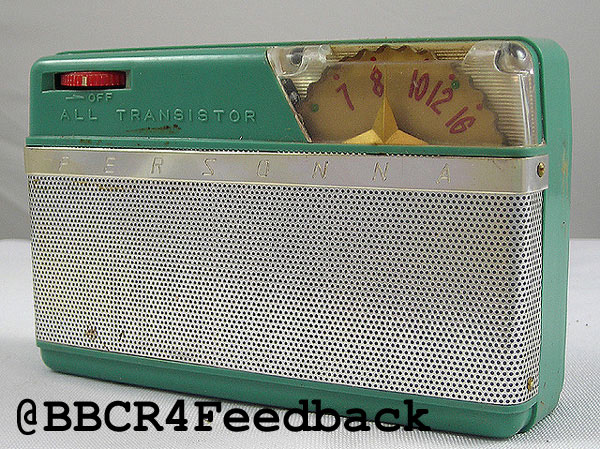
Vintage transistor radio

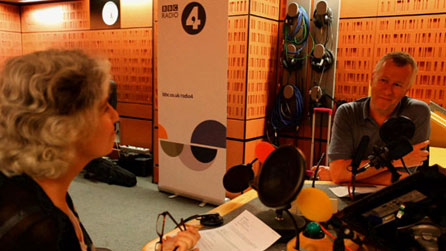
Editor's note: Feedback is Radio 4's weekly accountability programme, presented by Roger Bolton. The programme covers all of the BBC's radio stations and each week, while it's on-air, an item from the programme is published on the Radio 4 blog. This week's is about measuring the radio audience. Visit the Radio 4 blog to read the rest of this post and to leave a comment - SB

I always thought that the average Feedback listener was younger than I am, better dressed and more intelligent, and now I know it's true. I also now know that 1.4 million of you tune in to the programme every week.

Well I'm guessing about the intelligence and the quality of clothes, but the audience figures are certainly kosher. How do I know? Because RAJAR told me so. RAJAR stands for the Radio Joint Audience Research, and is jointly owned by the BBC and its commercial rivals.

Every year 100,000 RAJAR surveys are completed, detailing what people listen to and when. Up to now they have used paper diaries, but this month listeners are able to switch to filling in their listening diaries online if they want to do so.

Continue reading Roger's blog post on the Radio 4 blog.

The BBC at T In The Park

Blog comments are currently unavailable. Find out more.

Post categories:

Graham Mitchell|14:59 UK time, Friday, 8 July 2011

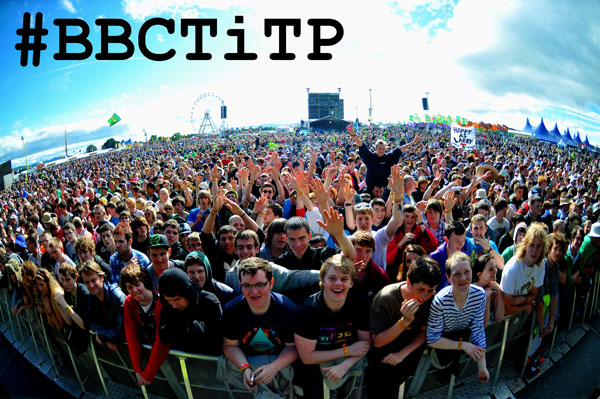
Fisheye view of the crowd at T In The Park 2010

For one weekend every July something very unusual happens in towns across Scotland. Like a science fiction movie, McLogan's Run perhaps, Scottish towns lose their young people... the streets are quieter, the bars less crowded. Thankfully they all come home again on Monday, muddy and exhausted... they've been to T in the Park.

For most of the year Balado in Perth and Kinrosshire is a beautiful, greenfield location, buzzed by the local micro light pilots who use the old airforce site as a base. From early summer, though, construction starts on what will become Scotland fifth biggest town for that weekend, hosting 85 000 fans every day and, of course, some of the biggest names in music.

This year T in the Park favourites Arctic Monkeys will headline the main stage on Friday night, followed by Coldplay, Foo Fighters and Beyonce over the rest of the weekend.

For anyone who hasn't made it to 'T' yet, if you want find out where it is, draw a line between Edinburgh and Perth, ancient capital of Scotland, and right in the middle you'll find us. It's no surprise that it's between two capital cities because, once a year, 'T' does become the heart of Scotland; it's fair to say almost everyone in the country, from all walks of life, will know someone who is there.

And that's one of the things that makes T unique, it's an international event, with international stars but at the same time has a real local feel to it, perhaps that's why, when you ask any of the performers what they associate with 'T', they'll all say... the fantastic crowds.

BBC Scotland has been broadcaster of the festival for more than a decade now. Over the weekend we'll have 35 cameras covering four stages, making 15 hours of television coverage for BBC Three and BBC One and Two Scotland, featuring on the HD channel, 115 hours streaming on the red button across the three days and almost 90 hours on the catch-up service. All that plus highlights for BBC Two and BBC Scotland plus 12 hours of radio on Radio One and Radio Scotland.
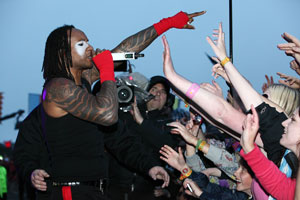
The Prodigy at T In The Park 2010

The Prodigy at T In The Park 2010

So for anyone who knows someone at the festival, it will be easy to catch what your son, daughter, grandchild or neighbour's kids will be enjoying on site. That volume of coverage, and the whole team's commitment to delivering the highest quality, is also testament to how significant T in the Park is to Scotland and the wider audience.

Our production team of 218 BBC staff are just a small part of the 4,000-strong army involved in T in the Park but broadcasting a music festival always presents us with a few head-scratching moments, not to mention the occasional sleepless night. Getting around T's 600-acre site is a task in itself, and with numerous stages, attractions and a crowd who really know how to have a good time, it can be a logistical challenge- but it's one that our staff always rise to.

Although 'T' has a distinctive Scottish flavour, it is a national event proud of its place in the summer festival calendar. Our coverage is broadcast across the whole country, last year the overall audience broke 4 million for the first time with BBC Three audience over 3 million, also a new high.

In keeping with an event that is both local and national, staffing is made up of BBC Scotland crew and staff from all over the UK, including Radio One's Live Music Unit. Staff numbers are down on last year, and everyone will receive a warm Scottish welcome at our regular accommodation for the weekend... the local police training college.

We also draw on a wide range of production experience using staff with experience on productions including Glastonbury, Celtic Connections, the Royal Wedding, Weakest Link, The Culture Show and even last year's Papal visit to Glasgow.

Starting on Three at 8pm on Friday 8th July, Edith Bowman and Reggie Yates will be in our tree house studio overlooking a newly designed site, Greg James will be out-and-about soaking up the atmosphere and local lads Ally McRae from Radio One and Vic Galloway from Radio Scotland will be bringing expert local knowledge.

So, if you're at home that weekend let us give you the full T in the Park experience, if you know someone who'll be there, watch closely... you might just spot them, and if you just want some great music, on TV, radio or on line, from some of the biggest acts in the world... it's time for 'T'

Graham Mitchell is Executive Producer of the BBC's T In The Park coverage

Arabian Leopards and camera traps - the BBC Natural History Unit

Blog comments are currently unavailable. Find out more.

Post categories:

Steve BowbrickSteve Bowbrick|12:57 UK time, Friday, 8 July 2011

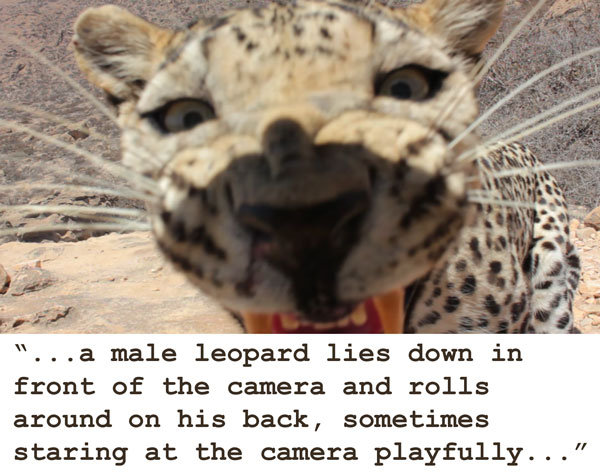
An Arabian Leopard captured by a camera trap

Chadden Hunter, an Australian wildlife biologist and film-maker who works as a producer in the BBC Natural History Unit in Bristol, wrote these words in an email about the quite amazing shots of the Arabian Leopard captured using specially-built camera traps for a new BBC2 series called Wild Arabia. The first HD footage ever captured of this extremely rare creature. He goes on to say:

The camera traps have been in place since January 2011. In the Dhofar Mountains of southern Oman. They have been specially built by a BBC cameraman Mateo Willis who, with his father David Willis, has spent over 10 years trying to capture the Arabian leopard on photo and video camera traps. Arabian leopards are so rare (possibly less than 100 in the world, maximum 150) that in ten years of working in southern Oman David & Mateo Willis have never seen a wild Arabian leopard! But they have been able to use their extensive knowledge of where the leopards go to put Wild Arabia's new bespoke HD camera traps in prime leopard 'cat-walks'.
On the BBC Press Office web site you'll find a feature about this and other wildlife programming due to air in the coming months. There's a fascinating 10-minute showreel, pictures and details of other series: Africa, Frozen Planet and Survival. Well worth a visit.

Steve Bowbrick is editor of About the BBC

Measuring quality and reach at the BBC

Blog comments are currently unavailable. Find out more.

Post categories:

James HoldenJames Holden|10:00 UK time, Thursday, 7 July 2011

Red, blue and red curves from a graph

"Audiences are at the heart of everything we do" is an important phrase at the BBC. It appears on the back of every member of staff's BBC ID card. And understanding how and where those audiences are choosing to consume the BBC, and what they think of us, our programmes and services, is always of huge importance, and interest, to everyone at the BBC.

In December 2010 the BBC published its new strategy Putting Quality First and in this new strategy, the BBC Trust pledged to set new standards of openness and transparency for the BBC, so that the public and the market understands how the corporation spends its money, how it is performing and what it plans to do next.

As part of this initiative, we plan to publish a wide range of performance information on a more consistent basis so that licence fee-payers can understand better how the BBC performs against some of its key objectives.

This document (PDF) is the first step in that process and shows how the BBC and its services perform in terms of quality (to what extent people enjoy and appreciate BBC programmes) and reach (how many people consume BBC channels and services and for how long) on all of our main media platforms.

As you will learn from some of the data in this report, it's encouraging to see that despite the plethora of media choices available to the UK audience, 97 per cent of the UK population choose to spend an average of over 19 hours a week consuming BBC services across TV, radio and online. And perceptions of the BBC's quality in this latest period have hit some of their highest levels in recent years. Whilst this is certainly good news for us, it sets very high expectations for the new strategy as the BBC must continue to provide the high quality and distinctive programmes that the audience expect and say they enjoy.

This sort of audience information is extremely important to the BBC and is continually tracked and reported, from programmes and channels to views of the Corporation as a whole. These metrics are reviewed by BBC managers and the BBC Trust continually and have a big influence on decision making throughout the BBC.

This is the first time we have published this breadth of information on the BBC website and, following the launch of the Annual Report and Accounts in July 2011, we intend to publish this sort of information for every calendar quarter. The next release of data is planned for September 2011 and will cover the period from April to June 2011.

Alongside this performance data we also intend to publish some insights from specially-commissioned research projects so that licence fee-payers can see examples of how the BBC uses audience feedback to help develop and create programmes and content for audiences.

James Holden is Head of Audiences at the BBC

About this blog

Senior staff and experts from across the organisation use this blog to talk about what's happening inside the BBC. We also highlight and link to some of the debates happening on other blogs and online spaces inside and outside the corporation.

Here are some tips for taking part.

This blog is edited by Jon Jacob.

Subscribe to this blog

You can stay up to date with About the BBC via these feeds.

If you aren't sure what RSS is you'll find our beginner's guide to RSS useful.

[an error occurred while processing this directive]

Follow this blog

Other BBC blogs

More from this blog...

Categories

These are some of the popular topics this blog covers.