Key points
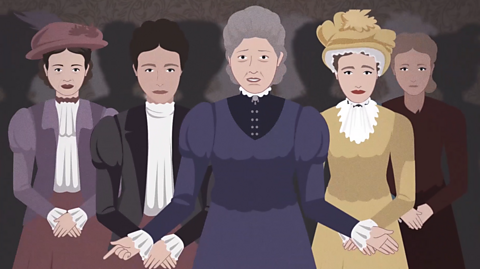
- At the start of 1914, there were two groups of women campaigning for the right to vote: the suffragists and the suffragettes.
- At the outbreak of World War One, the two groups agreed to suspend their campaigns and support the war effort.
- Women joined the war effort through the Women’s Land Army, Munitionettes, Voluntary Aid Detachment and the Women’s Auxiliary Army Corps.
- In 1918, just before World War One ended, the government finally passed a law giving some women the right to vote for the first time.
Personality Quiz - Helping the war effort
What happened to the suffrage movement in 1914?
In August 1914, Britain declared war on Germany, starting World War One. Both the The name given to women using peaceful protest to try and win the right to vote. and The name given to groups of women using direct action and more aggressive methods to try and win the right to vote. agreed that they would pause their campaign for the right to vote and turn their attention towards the war effort.
Emmeline Pankhurst encouraged The Women's Social and Political Union. A political group that used violent protest to campaign for votes for women. members to put their demonstrations on hold, in order to focus on the war effort. She asked women to take up roles in factories in support of the men fighting. In response, the government released all WSPU prisoners who had been arrested for protesting.
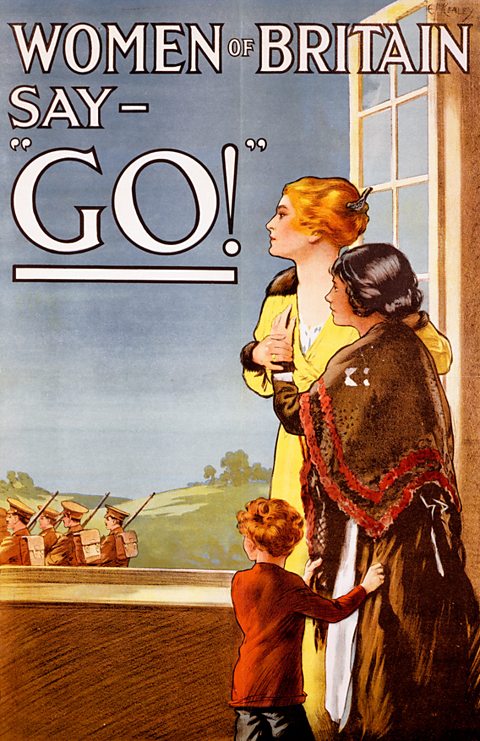
Women were used heavily in war recruitment campaigns to try and influence men. They featured on posters with slogans such as ‘Women of Britain say go’ to encourage men who were worried about leaving their families to join up to fight. Women were also encouraged to give white feathers to men who hadn’t joined up, to imply they were cowards.
Video about women's role in World War One
Narrator: For over a decade, women’s suffrage campaigners had battled to overturn this man’s world. They argued nothing could change in women’s lives until they were given the right to vote in parliamentary elections.
Women engaged in campaigns of protest and violence. They endured imprisonment and hunger strikes, to force the men in Government to back down. Nothing, it seemed, would stop the suffragettes until women had the vote.
But then Germany invaded Belgium.
When war was declared in August 1914, the suffrage campaigners were faced with a quandary. Should they support the men in Government, their sworn enemy, and suspend their campaign for the vote? Something which a few months earlier would’ve seemed unthinkable.
The Militant Suffragette Organisation was the women’s social and political union led by Emmeline Pankhurst and her daughter Cristabel. Its motto - ‘Deeds not Words’. They saw violent action as a necessity and the resorted to bombings and arson to get their case heard. Many spent time in prison and were subjected to brutal treatment and force feeding in response to their angry demands to vote.
Then the declaration of war intervened.
Emmeline Pankhurst wasted no time coming to a decision. Within days of war being declared, she suspended their campaign of militancy with immediate effect. The suffrage campaigners showed their new patriotic commitment by renaming their newspaper: ‘The Suffragette’ became ‘Britannia’. And it bore a new motto – instead of ‘Deeds not Words’, it was now: ‘For King, For Country, For Freedom’.
What is the point of fighting for the vote asked Mrs Pankhurst if we have not got a country to vote in. She was a pragmatist. Her message to her supporters was clear, it was time to transfer their energies to the national cause.
How did women contribute to the war effort?
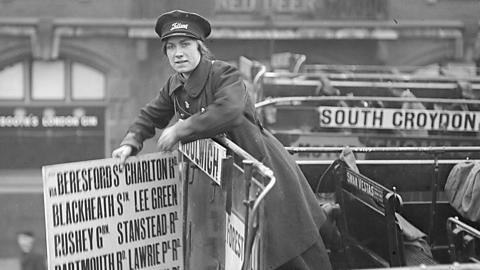
During World War One, women stepped into a range of roles. Men had signed up in huge numbers to go and fight on the front line, leaving jobs behind that needed to be filled. Stepping in and doing this work helped to change the perception as to what women were capable of and proved they were capable of carrying out many of the same jobs as men. Many working class women took up jobs in factories, working as Women who were in employed in munition factories during World War One. producing weapons. Middle class women were more likely to take up administrative roles with the providing support to the armed forces, such as the Women's Army Auxiliary Corps. These were some of the key groups women worked in:
Women’s Land Army (WLA)
Britain was struggling to import enough food because German U-boats were sinking the delivery boats. In 1917, it was estimated there was only about three weeks of food left in Britain, so the Women’s Land Army was created to get women to work on the land to grow crops and help feed the nation. 23,000 women volunteered to be part of the WLA. They played a crucial role in making sure British people didn’t starve.
Munitionettes
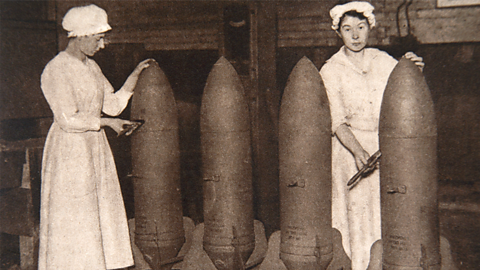
There needed to be a large increase in weapon production to arm soldiers fighting in France and Belgium. As so many men had left factories to go and fight, women were required to work in Military weapons and equipment for the army. factories. These women became known as munitionettes. There were around a million women working in Weapons and ammunition produced for the army. factories by the time the war ended.
The work was dangerous. There were risks of explosions and fires from the unsafe materials being used to create weapons. Many of the chemicals were toxic. TNT used to turn people’s skin yellow: women working in these factories were nicknamed ‘canary girls’.
Women’s Auxiliary Army Corps (WAAC)
Women were not allowed to fight on the front line in World War One. They could work in non-combat roles, providing administrative support for soldiers on the frontline, and did so throughout the war. This meant that men could be released from their jobs to fight. Women fulfilled roles such as sorting the post, administration, catering and mechanics. In 1917, this was formalised with the creation of the Women’s Auxiliary Army. In total, around 57,000 women served with the WAAC.
Voluntary Aid Detachment
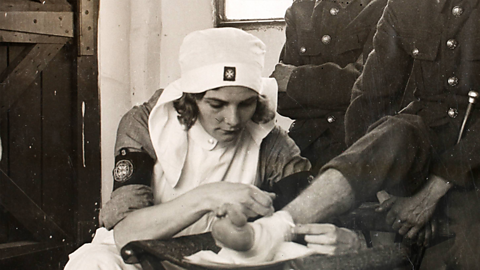
Formed in 1909, the Voluntary Aid Detachment was made up of volunteer nurses who looked after injured soldiers in hospitals in the UK and on the front line. By the end of 1914, there were 74,000 volunteers working to look after injured soldiers, two thirds of them were women.
The work on the front line was dangerous; nurses were working in difficult circumstances. Infection was rife and resources were limited. It was exhausting work as more and more men needed to be treated for serious injuries.
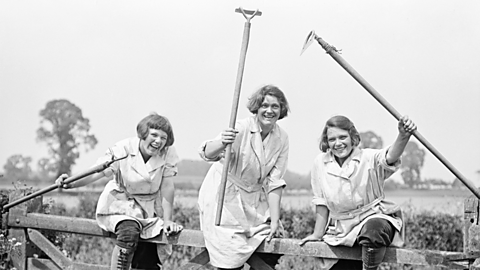
Image caption, Members of the Women's Land Army pose with their tools
1 of 4
When did women get the vote?
Before World War One, around 2 in 5 men were still unable to vote because of strict property laws - and they had to have lived in the UK for 12 months before an election. This meant that some of the of the British men who had fought for their country during World War One didn’t have a say in the election of their government.
Also, by the end of World War One women had proven that they were capable of fulfilling roles that were traditionally undertaken by men, which challenged society’s views on gender roles.
In 1918, the government introduced a law called the Representation of the People Act. All men over the age of 21 and all women over 30 who owned a home, or were married to a homeowner, were allowed to vote in elections. For the first time, some women had the right to vote in British elections.
But this was only a minority of women and many continued to fight for equality. In 1918, women were allowed to stand as Member of Parliament - someone who is elected to represent the people of a particular area of the country in government. for the first time, and Constance Markievicz became the first woman elected to Parliament. The suffragettes believed that female representatives in Parliament would help in the fight for equality.
In 1928, all women over the age of 21, regardless of whether or not they owned a home, were given the right to vote on the same terms as men. The Representation of the People Act 1969 lowered the voting age for both men and women to 18 years old.
Why were some women given the vote in 1918?
The Representation of the People Act was brought into law at the start of 1918, towards the end of World War One. Some historians believe this was a result of the contribution women had made to the war effort, in roles such as farming, munitions work and the WAAC.
However, other historians argue that the war actually delayed women getting the right to vote. They believe the government was planning to pass a law before the outbreak of World War One, but it was pushed back to focus on the war.
There is evidence to support both arguments. The role women played in the war undoubtedly changed the perception some people had of what women were capable of, but it would still be many years before women would be treated as equals in the eyes of the law, especially in areas such as work and pay.
Who campaigned for female suffrage?
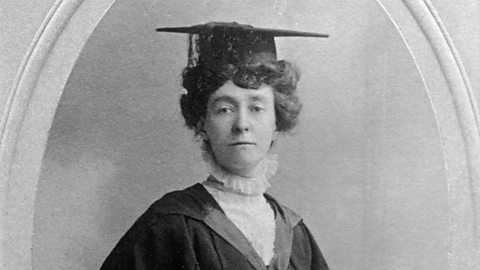
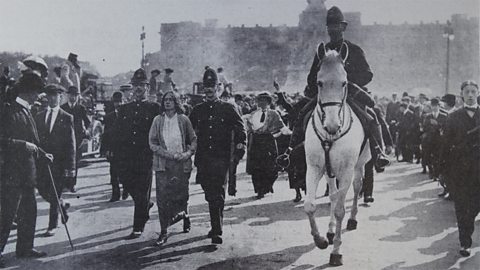
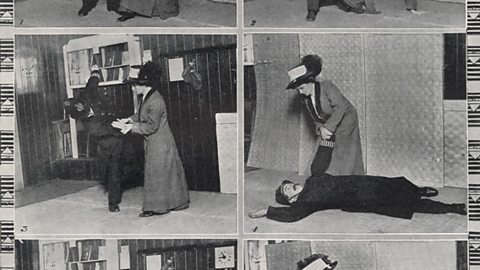
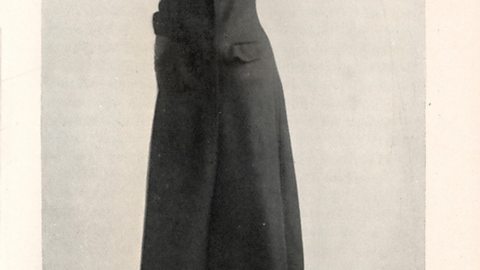
Emmeline Pankhurst and Millicent Fawcett are famous for being leaders of the WSPU and NUWSS, but many other women fought for the right to vote. Look at the slideshow below to read some other women’s stories.
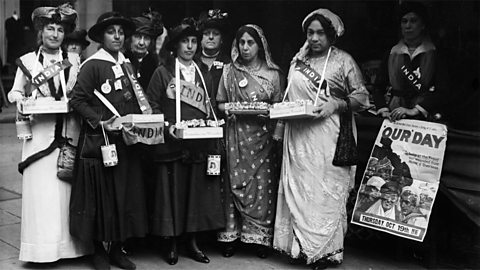
Image caption, Princess Sophia Duleep Singh was the daughter of the last Maharaja of the Sikh Empire. She was born and raised in London and an active member of the WSPU. She played a prominent role in the Women’s Tax Resistance League. Her campaigning and refusal to pay taxes led to multiple arrests and the confiscation of some of her valuable possessions.
1 of 5
Test your knowledge
Solve the Story!
An exciting new series from the Other Side of the Story, designed to help young people strengthen their media literacy skills.

More on The fight for female suffrage
Find out more by working through a topic
- count1 of 2