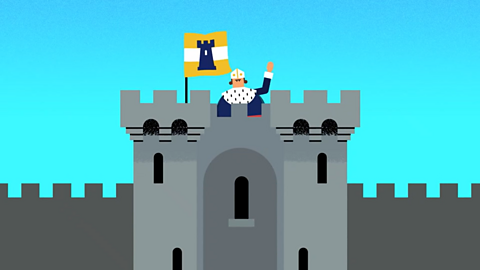
Let's explore castles
This collection contains curriculum relevant videos, quizzes and games to help Year 1/2 and P2/3 history students with:
when and why castles were built
everyday life in castles
These educational resources are hand-picked from BBC Bitesize, the wider BBC and educational partners.
Get started
Here you will find videos and activities about castles. Try them out, and then test your knowledge with some short quizzes before exploring the rest of the collection.
A mini guide to medieval castles
Early castles were small and built from wood, but soon people were building larger castles made from stone. Watch this video to see how castles developed over time.
Find out more about how castles developed and why they were built
A medieval castle had two purposes: it was both a fortification and the home of a lord. The first castles were just earthwork enclosures.
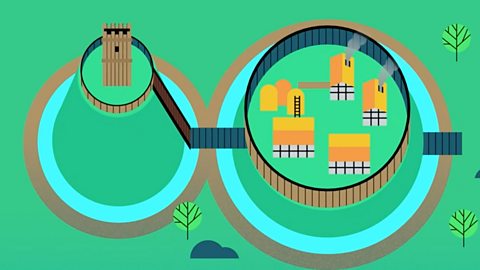
Later earth mounds and timber towers were built forming a type of castle called a motte and bailey.
However the timber constructions were vulnerable to fire so shell keeps were built to protect the wooden structure within a stone wall or shell.
During the time when the motte and baileys were being built, powerful noblemen were constructing the Norman great towers.
There was no tactical reason for building them so high. The great tower in all its forms became a symbol of power and nobility.
The curtained wall was one of the castle’s most important defensive feature. At first, it was just a wall with a crenelated parapet but over time the defences were developed and more towers were added.
Fighting platforms were built, first from timber and later stone. At the same time, gateways evolved from simple openings within towers to twin towered gateways, keeps in their own right.
And castles built with an outer wall around the curtain wall were known as concentric castles. Inside domestic life often centred around the Great Hall where the wealthy could entertain guests with lavish feasts.
In the case of fortified manor houses, battlements were more for show than defence.
Medieval castles were considered so prestigious that the style was revived by rich men who wanted to appear as powerful as the noblemen of the middle ages.
Life inside castles
During the time of castles, rich and powerful people would live very differently from the common people who lived in the towns and on the farms around the castle.
Attacking and defending castles
Castles were built for powerful people to live in safety. Attackers had to be very clever to overcome their defences! Find out how people kept castles safe, and how enemies attacked them.
Find out how castles were attacked and defended in this video
A castle is a building made to keep the people living inside it safe from attack.
Choosing the right place to build a castle can make it easier to defend.
Steep cliffs could become part of the castle wall.
Caves could be used as the castle’s dungeon.
High rocks could become a lookout to spot an enemy coming.
What people used to build their castles was important too.
A wooden castle could be built in just a few months - handy if it was needed in a hurry. But they could be attacked and smashed with battering rams or even set on fire.
Big stone castles took years to build and were very expensive. But stone walls stood up to attacks much better than wood.
Some attackers would dig tunnels up to the castle and then dig away the foundations to make the walls fall down.
That was much more difficult if the castle had a deep ditch called a moat around it. Especially if the moat was full of water.
A castle with a moat could also have a drawbridge. This could be drawn up to protect the castle’s entrance from intruders.
Round towers on either side of the entrance could give extra protection.
These specially-shaped windows are called arrow slits. Defenders could fire arrows through these at any attackers who made it to the castle door.
If any attackers did manage to get through the entrance, hidden metal doors called portcullises would drop down, in front and behind to trap them.
A warm welcome of hot oil, burning sand, and boiling water awaited them!
Castles protected important people for about 450 years.
The cannon, able to blast down the walls of the very strongest castle, finally brought the time of castles to an end…with a bang.
Defend your own castle in the quiz
Highlights from BBC Bitesize and partners
The best guides and activities all about the Tudors. They contain text, videos and challenges to help you understand, practise and test your knowledge.
Where did castles come from?
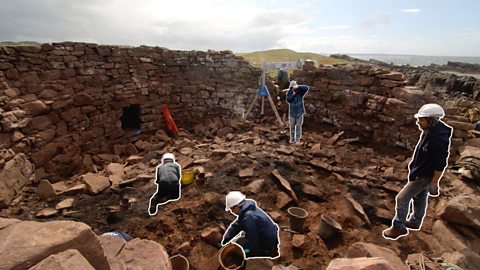
Where did castles come from? Find out why castles were built in Scotland and what came before them - from 1st level Bitesize.
Hands On History - Norman castles. document
Build your very own Norman castle from BBC Hands On History.
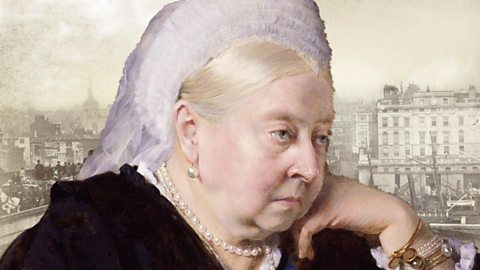
Why did Queen Victoria buy a Scottish castle?
Find out about Queen Victoria and Prince Albert's love for Scotland and Balmoral Castle - from 1st level Bitesize.
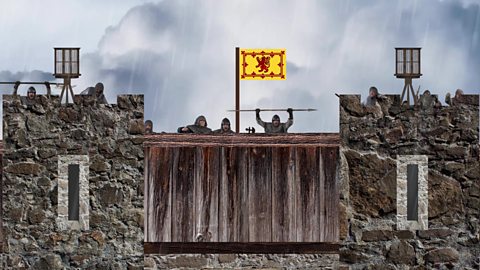
What was life like in a castle under siege?
Find out what life would have been like in Stirling Castle during a siege - from 1st level Bitesize.
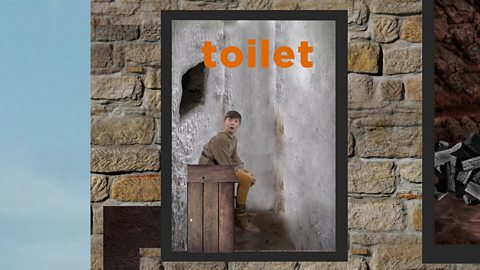
Health and hygiene in a castle
Just how smelly were the loos in a medieval castle? Find out more from 1st level Bitesize.
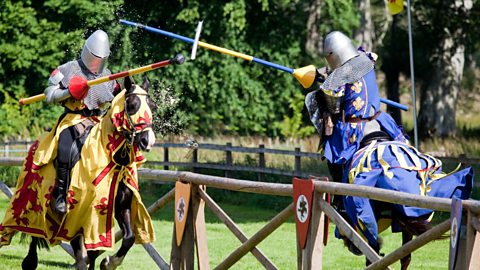
Having fun in and around a castle
What did medieval people do for fun when they weren't trying to smash down castle walls? - from 1st level Bitesize.
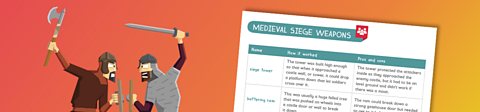
Siege weapons. document
Learn about siege weapons and colour in this castle scene
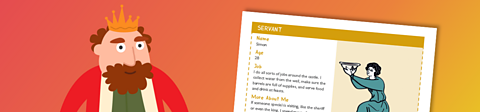
Who's who in the castle? document
Meet all the different people who live and work in a castle
This section contains activity sheets from our educational partners, hosted by the BBC.
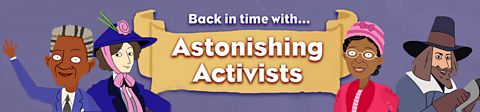
Back in time with...Astonishing Activists game! game
Play this fun game to learn about Nelson Mandela, Emmeline Pankhurst, Rosa Parks and Guy Fawkes.
More on Castles
Find out more by working through a topic
- count1 of 2