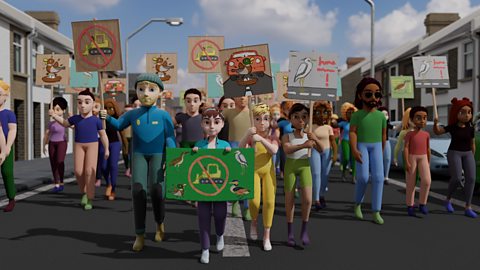
Every day, we face choices and make decisions. Things like what food to eat, what to wear, what to do, where to go and who to spend time with. The decisions we make affect our own lives. They can also affect people we know and even people around the world.
Watch: How do our decisions affect us and others?
Lina, Rhys and Efa visit the Eisteddfod. They learn that the decisions they make about how to travel there and what they do when they get there affect them and other people.
RHYS: Hey! I thought you were going to the Eisteddfod today?
EFA: I am. I’m going with Lina and her mum and dad. On the train.
RHYS: The train?
EFA: It’ll be fun. And trains are better for the planet. More people travelling but using less oil. Less pollution! Wow! There’s so much going on here!
LINA: Oh, but I’m getting very thirsty.
EFA: Let’s get something then. Wonder where Rhys is?
LINA: No idea! There’s loads of drink stalls everywhere here! Come on. Oh. There’s queues everywhere.
EFA: Look. They’re giving away free water bottles there. We can fill two up at the water points we’ve passed.
LINA: Diolch!
EFA: Hey, look at those! That looks like a recycling game. Let’s have a go! The recycling bin won't accept the plastic bags.
LINA: But actually you can recycle plastic bags.
EFA: In the supermarkets. My Mam takes them with her to a special bin there. That’s why it’s better to have the bags you can use over and over.
LINA: I had no idea that it takes so much oil to make one plastic bottle!
EFA: So we’ve both saved some oil with these bottles! And less oil means less pollution! Let’s see if we can find Rhys! Wow! This is really full!
LINA: They’ll all be recycled though.
EFA: But these kind of bottles are so much better, we can use them again and again and again. That was such a good decision! Re-using is better than recycling.
LINA: And we came on the train today.
EFA: Where is Rhys? Maybe he got lost?
LINA: No he didn’t. Look!
RHYS: We’ve been stuck in traffic for hours and hours. And it was really hot. Have you been here ages?
EFA: Not really!
RHYS: Okay. What have you been doing?
LINA: Helping the environment!
RHYS: At a singing and dancing festival?
LINA: Rhys, there’s much more than that here, Art, literature, and concerts and…
EFA: You look thirsty. And that means we can show you how you can be environmentally friendly too.
RHYS: Er. the drinks stall is that way!
EFA: But we’ve got a much better idea. Come on!
Decisions that affect people and society
A good A person who lives in a place and participates as a member of the community. is someone who thinks carefully and tries to make the right decisions. They think about the impact of their decisions and actions, before making them.
Our decisions can improve other people’s lives.
Joining in with community activities
By helping to make positive things happen in the community we can improve people’s lives. This could be by volunteering or helping people in the local area.
One example is helping to create a community garden by planting trees, flowers and vegetables in shared areas so everyone can enjoy them.
Supporting charities
Choosing to raise money, donating items or volunteering with An organisation that provides help to others and raises money for those in need., can have a positive effect on other people.
Some charities help people in Wales or the whole United Kingdom.
Raising money for a global charity, like Oxfam, is a type of social action that helps people all over the world.
Making good choices about what we buy or use
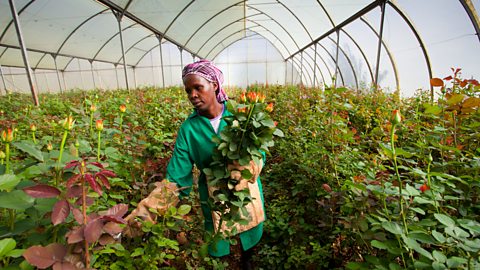
People can make a positive impact when they make a decision about what to buy. One example is buying A way of buying and selling products that makes sure that the people who produce the goods get a fair price for them.products.
The people who grow fair trade products like coffee, cocoa beans or bananas are paid a fair price for their work. Fair trade also helps make sure that the people who make the things we buy are not overworked or living in bad conditions.
Many of the people who produce fair trade items live in countries in Africa, Asia or South America. This means that choosing to use fair trade products helps people all around the world.
Sometimes our decisions can hurt people or make their lives worse.
How we behave
The way that we choose to speak to people and treat people can cause a lot of hurt. Name calling, not including people in things, or bullying can all be very hurtful and upsetting.
Anti-social behaviour
This includes making too much noise, swearing, shouting, threatening behaviour, or fighting.
This is one example of how peoples’ decisions and actions can cause distress or harm to others. Some anti-social behaviours are classed as An action that breaks the law, for example stealing something. , and you can be punished for doing them.
Committing crimes
Crimes like Deliberately destroying or damaging property. or theft also have a negative impact on the victim and the wider community. They can make people feel unsafe, or scared.
Decisions that affect the environment
Many of the decisions that we take have an effect on the natural world. This could be in the local area, or it might be somewhere else in the world.
There are some decisions that have negative impact on the environment.
Dropping litter
Dropping litter, such as drink cans, food packaging, bottles and sweet wrappers can cause harm to animals. It also can pollute the ground, rivers and lakes.
Litter makes the local area look untidy. It is also a fire hazard, and things like carrier bags can get stuck in drains and cause them to flood.
Buying single-use items
Single-use items are things that are used once and then thrown away. Many of these items like crisp packets, bottles, cups, straws and food containers are made from plastic.
They are a big problem, because single-use items very quickly turn into a lot of rubbish. In 2023, the Welsh Parliament passed a law that bans the selling of some single-use plastic items.
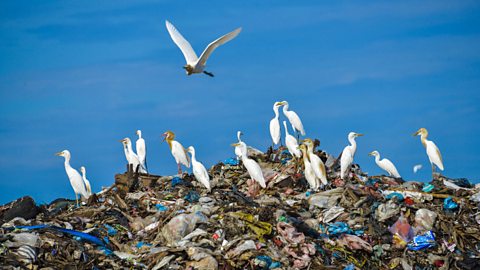
A huge amount of single-use plastic ends up in the seas and oceans. Because of the tides and wind, a lot this plastic rubbish ends up a long way from where it started. A part of the Pacific Ocean has been named the 'The Great Pacific Garbage Patch' because there is so much plastic pollution there.
Wasting food
Around one third of all food goes to waste. Wasting food means that all the energy and water that has gone into making or growing the food is wasted as well.
If waste food ends up in landfill sites, it rots and produces a gas called methane. Methane is one of the gases that is causing The long term change in global temperatures and atmosphere that cause the planet to heat up.. Climate change affects Wales and the whole world.
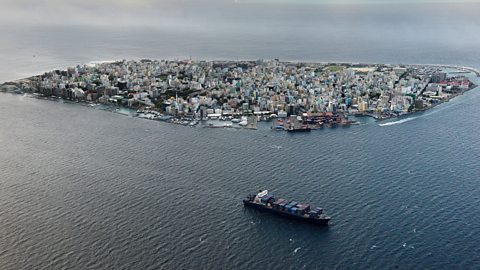
One place where climate change is having an impact is the Maldives in the Indian Ocean. Most of the land in these islands is less than one metre above sea level. This means that they will be affected by a rise in sea levels and by violent storms caused by climate change.
How to make a positive impact on the environment
More on Community and society
Find out more by working through a topic
- count1 of 2