Climate change and Northern Ireland
Climate change will affect everyone, and Northern Ireland will become wetter and warmer, causing many problems for people and animals. We all have a responsibility to respond to it.
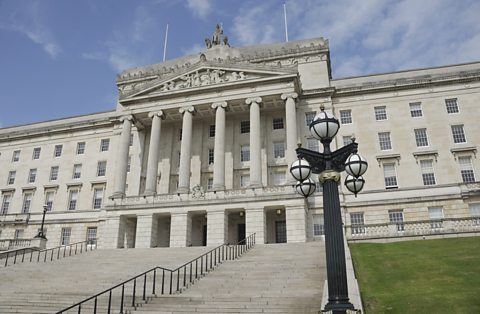
Sometimes when we talk about climate change here in Northern Ireland, we think of it as a problem that exists elsewhere in the world. But in February 2020, the Northern Ireland Assembly declared a climate emergency and supported immediate action to cut carbon emissions.
We can already observe the impacts climate change on our own climate:
- average temperature is changing in line with the global average temperature
- temperatures are rising across all seasons
- NI’s sea level rise is guaranteed to increase by at least 11 centimetres by 2100
- more frequent and intense extreme weather events (flooding, extreme storm surges and heat waves) – and while we may have less rain in the summer, there will be a greater chance of more rainfall in the winter
Northern Ireland’s emissions
Northern Ireland has unique characteristics to those of the rest of the UK when it comes to the climate crisis.
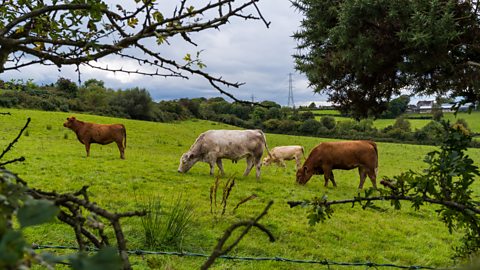
Nearly 30 per cent of all greenhouse gas emissions in NI are from agriculture. It is estimated that agriculture, globally, is responsible for between 8 - 14 per cent of total greenhouse gas emissions. So, we need to reduce the carbon produced by the agricultural sector here in NI more than most places in the world.
Forest coverage is around 40 per cent lower in NI than the UK as a whole – we do not use enough of our land to absorb carbon from the atmosphere.
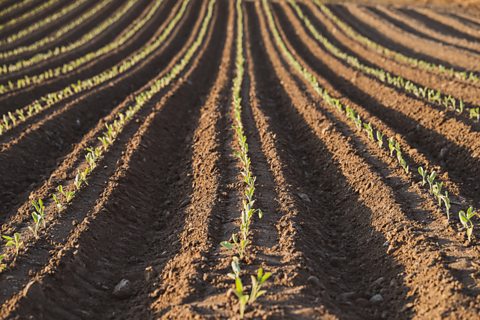
This means we need to plant whole new forests and produce agricultural goods that are not carbon intensive. Unfortunately, emissions from agriculture have risen each year since 2009 and the current rate of tree planting falls short of what’s needed to reabsorb carbon back into the earth.
Climate Bill
As of January 2022, two different Climate Change bills are being considered by the NI Executive, one calls for net zero emissions by 2045, the other for an 82% reduction in greenhouse gas emissions by 2050. Whichever of these two is passed, the target will be legally-binding which means that the government can’t go back on its word and has no choice but to find ways of drastically reducing carbon emissions. The target cannot be reduced, and the date cannot be pushed back. Thankfully, because we are in a time of great crisis, we can bring that date forward if we need to.
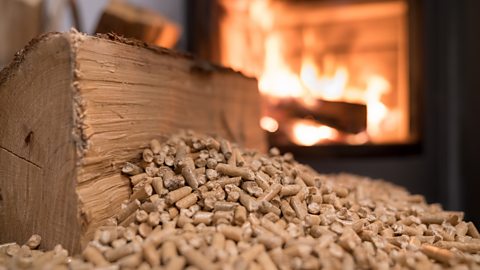
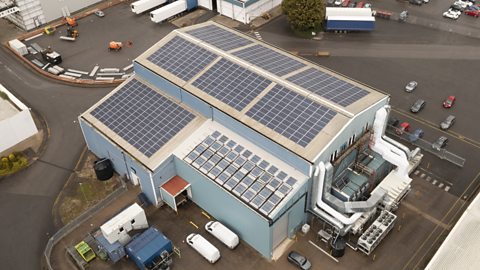
There are many ways in which we can reduce our reliance on carbon in order to reach our goal by 2045
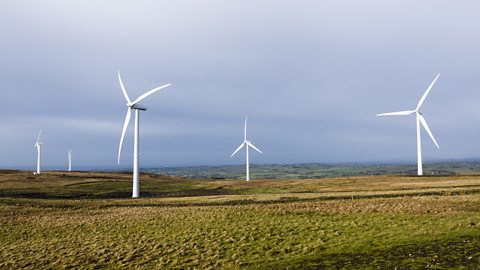
Image caption, Invest more money into renewable energy such as turbine and solar farms.

1 of 5
More on Weather and Climate Change
Find out more by working through a topic
- count5 of 9
- count6 of 9
- count7 of 9
- count8 of 9

