Computers and information

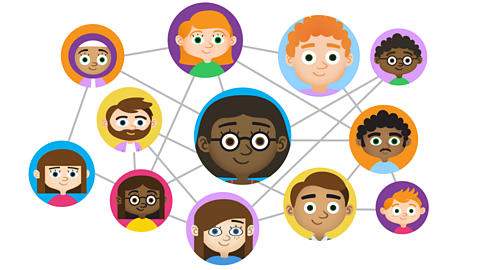
We use A device that processes information by following a set of rules called a program., computing devices and A series of connected devices controlled by a computer. in many parts of our lives. They may look very different, and carry out many different types of tasks, but all computers basically work in the same way.
They work by receiving, storing, processing and sending out information.
- Information the computer receives is called Data that is sent to a program to be processed.
- Information the computer sends out after processing is called Information sent out from a computer device after processing.
The processing is done by the The part of a computer that processes information and data to complete a task.. This is also called the Central Processing Unit or CPU.
The input and output information is stored in the (Central Processing Unit) Another way of describing the computer processor.memory before and after being processed.
How does the CPU know what to do with the information?
Lists of coded instructions called A sequence of instructions written in a coding language that a computer can understand. are stored in the CPU memory. The program will tell the CPU how to process the input information and what form to send the output in.
For example, we might use a keyboard to send some text input into the computer.
A program stored in the memory will tell the processor to turn the input into text output on the screen.
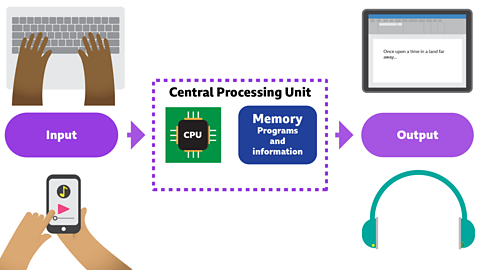
We might use a touchscreen to input a song choice by pressing an onscreen icon in a music app.
The program for the music app stored in the memory will tell the processor to turn the input into sound output through headphones or a speaker.
Computers and digital information
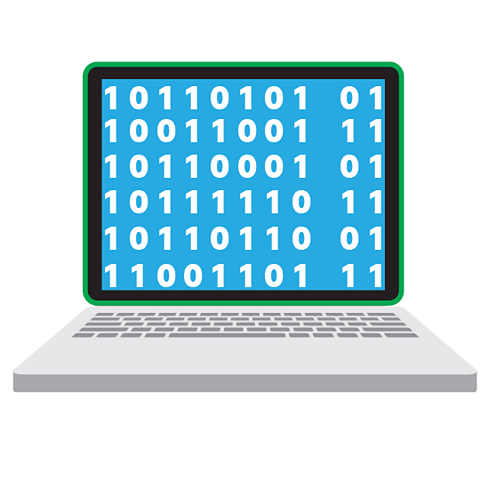
Computers can only work with digital information. Any input that a computer receives must be Converts information and data into a digital code that computers can read. so that the CPU can process it.
When information is digitised, it is converted into a digital code called binary.
Binary has two numbers: 0 and 1. It uses these to represent other letters and numbers.
Information that has been converted or digitised into binary code is called digital information.
Information that has not been digitised is often described as analogue.
How is information digitised?

Input devices like keyboards, touchscreens, webcams and game controllers are designed and built to digitise the information they receive before sending it to the computer CPU for processing.
Some output devices output the processed information digitally, on a screen.
Some devices convert it back to analogue form, like a printout or sound.
Humans usually find it easier to understand analogue information!
Assistive technology
There are some input devices specifically designed to help people who may not be able to use devices such as keyboards or touchscreens to input information.
These devices might use sound or types of movement like head or eye movement, to control a pointer or on-screen keyboard. Some can even use our breath as an input method.
Output devices can turn text into speech for people with visual difficulties or speech into text for people with hearing difficulties. They can also give sound and visual alarms to warn and alert people to danger.
These devices are called assistive technology and help to ensure equal access to technology for people with disabilities and additional needs.
Professor Stephen Hawking

A famous scientist called Professor Stephen Hawking used special input devices that enabled him to carry on working. He battled motor neurone disease which severely limited his mobility and left him unable to speak.
Professor Hawking used an input device controlled by his cheek movements to choose the words he wanted to use.
A special output device turned those words into electronic speech that people could hear.
New types of input and output
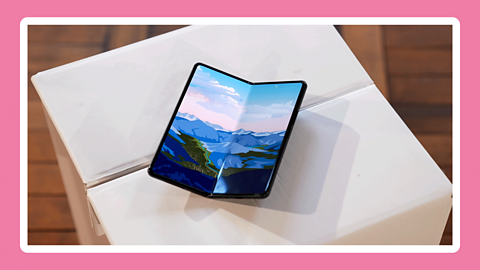
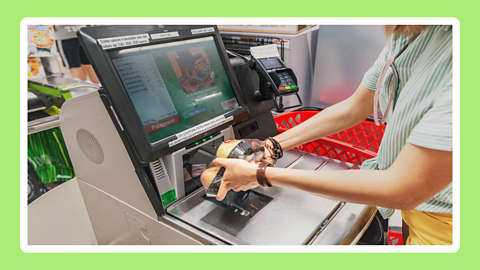
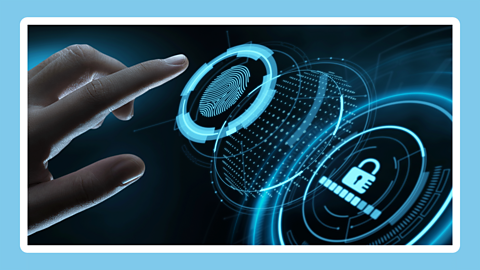
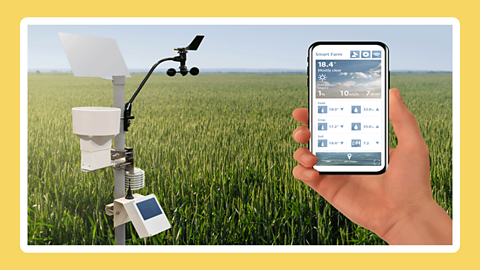
Technology is changing and developing all the time, giving us new ways to use computing devices.
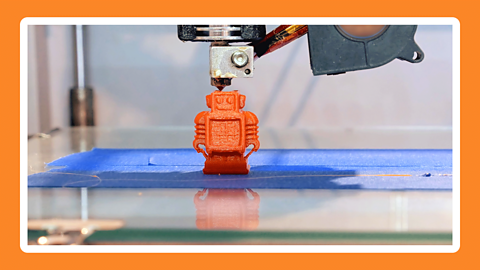
Image caption, Printers
Printers only used to print output as black and white text in one font style. Now printers can print colour photos with thousands of colours and even output solid 3D objects such as toys and medical items like replacement bones!

1 of 6
Watch: Inputs and outputs
Find out more about inputs and outputs with this video from BBC Bitesize for Teachers.
Activities
Dance Mat Typing game! game
Build and test your computing skills with different levels of touch type challenges.

More on Computer science
Find out more by working through a topic
- count6 of 12
- count7 of 12
- count8 of 12

- count9 of 12