What is peer pressure?
Simon and Sarah explore what the Bible says about peer pressure
SARAH: I’m having an absolute nightmare.
SIMON: Why?
SARAH: No, actually. I’m being forced to do something I don’t want to do.
SIMON: By who?
SARAH: My friends.
SIMON: Well, this sounds a little like peer pressure to me.
SARAH: See, I knew it was bad.
SIMON: Well, not all peer pressure is bad. You and your friends have a deeply positive influence on each other and help make lots of decisions every day. Peers can play important roles in each other’s lives.
SARAH: Yeah, like the time Amy told me to dye my hair purple.
SIMON: Ok. Maybe not the best example. But friends can be great for giving feedback and advice.
[GASP]
SARAH: Yeah. Like when she told me it wasn’t a great look for me.
SIMON: Yes. But they are great for socialising and trying new things together. Like your hair disaster.
SARAH: Ok. Yes. But they are still putting pressure on me to do something I’d rather not do.
SIMON: When people put you in that situation, it’s hard not to feel upset and you go along with what they want. However, doing so would go against your morals and possibly wreck your future.
SARAH: Well, I’m still going to be a successful movie star.
SIMON: Mm yes. And to make sure this still happens; there’s ways peer pressure can be resisted. Firstly, you can make your feelings known. Secondly, you can build your self-esteem and confidence. Thirdly, learning how to say no. And finally, surrounding yourself with supportive people.
The Bible shows us a great example of what true friendship looks like, in the story of David and Jonathan. Jonathan protected David from his father, Sal. David looked after Jonathan’s children after he died. Real friends look out for each other.
SARAH: Ok. That makes sense.
SIMON: Well, what are they making you do anyway?
SARAH: They want me to go for a hike up the mountain. Do I look adventurous to you?
SIMON: Are you serious?
SARAH: What?
Your peers - are people around your age who have experiences and interests similar to yours. They could be your friends but may also be people who are connected to you in another way, for example teammates or work colleagues.
People often feel it is important to fit in and don’t want to stand out from the crowd and will therefore make choices to conform to what they think those around them value – for example dressing a certain way.
People can be influenced by peers because they want to:
- be accepted.
- be like the peers they respect.
- do what others are doing.
- have what others have.
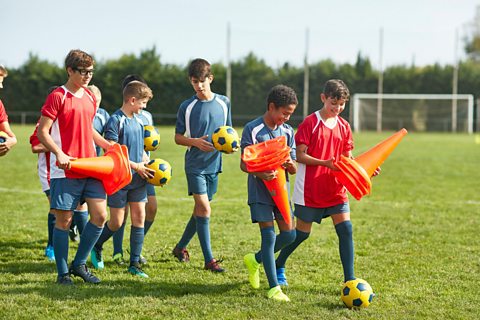
Sometimes peer pressure can be more of an intentional process where a group is intent on making someone do something they may not necessarily choose to do themselves.
Examples of this can be both positive and negative:
Positive – encouraging a classmate to get involved in playing for a sports team in school which may lead to them connecting with more people and making new friends.
Negative – pressurising a friend to drink alcohol at a party by making fun of them and calling them names over time. This can lead to many harmful outcomes in the short and long term.
Being a teenager is difficult!

Teenagers are on the road to adulthood and there are many things they will need to work out along the way, for example:
- who they are
- what they value
- what they accept as truth
- what they are good at
- what their purpose in life is
It is reassuring for people to face those challenges with friends who have similar beliefs and are involved in the same things that they are.
Peers can have a positive or negative influence on each other and play important roles in shaping each other's lives.
How to make wise decisions
Every day and week people are faced with many decisions – some of these are small and trivial whilst others have much more significant consequences.
If these decisions end up shaping who a person becomes, then they need to think carefully about how to make these decisions wisely.
To avoid the impacts of negative peer pressure a person should:
- follow their conscience.
- speak out to let their feelings be known.
- remind themselves that the world needs individuals and that it would be boring if everyone was the same.
- and most importantly surround themselves with as much positive peer pressure as possible.
How to find positive pressure
Choose friends wisely. Be surrounded with friends who have similar interests, values, and morals as you. These friends are less likely to put a person into compromising situations and will stand beside them if they both end up being pressured by peers.
End harmful and hurtful relationships. Sometimes, a person might have to part ways with certain friends. It can be helpful to ask, ‘has this person changed since we became friends?’ This can be hard to do, but if friends are continually pressuring you to do things you don't want to do, maybe it's better to move on. If friends don't respect each other’s feelings and choices, they are not true friends in the first place.
Quiz time!
More on Morality and ethics
Find out more by working through a topic
- count5 of 7

- count6 of 7

- count7 of 7

- count1 of 7

