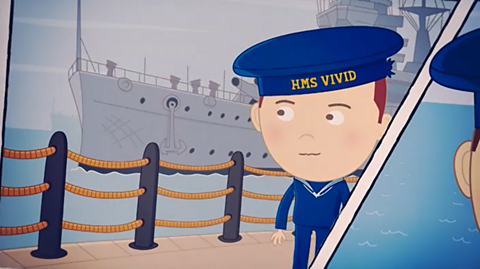
Men on the front line
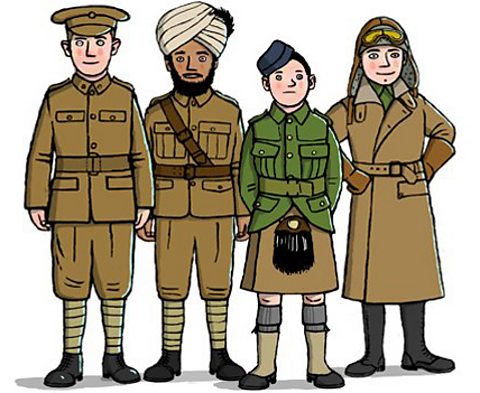
Many soldiers used skills learned from their jobs at home.
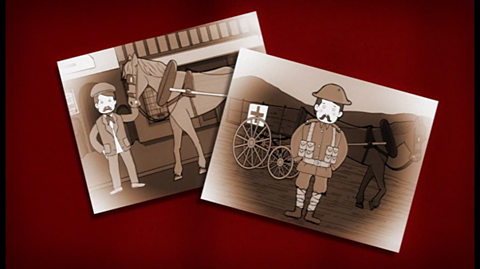
Men who worked with horses were needed because the Army had thousands of horses.
Men who could drive were used to drive buses, lorries, or even tanks!
Coal miners were useful for digging tunnels and trenches.
Watch: Men's jobs at home
Watch our video to find out more about how men’s jobs back home could prepare them for life at war.
[MUSIC]
[APPLAUSE]
ALBERT GURNEY: ‘Ello. This war has messed up everyone’s business including mine.
Pleased to meet you. I’m Albert Gurney and I manage this theatre here, the Empire.
Here I am talking to a constable.
CONSTABLE: I’m sorry Mr Gurney but you’ll have to switch off the lights.
ALBERT GURNEY: But how are people meant to read the play bills?
CONSTABLE: Sorry sir, it’s the rules. A blackout.
ALBERT GURNEY: Surely the Zeppelins won’t come this far. Constable, this theatre’s my livelihood!
CONSTABLE: It’s your liveliness which is my concern sir. Switch ‘em off.
ALBERT GURNEY: Oh alright.
[MUSIC PLAYS]
[APPLAUSE]
SOLDIER: Don’t take it from me, take it from them.
MICKEY MICHAELS: I’m Mickey Michaels. I was a rag -and-bone man picking through scraps to earn a living.
Now I drive ambulances working with horses again. Brave animals. Most of the time, braver than me.
But together we save lives.
There’s no more worthwhile thing a man can do. Sign up!
[APPLAUSE]
JACK MCCLAIN: I’m Jack McClain. I was your coal man.
AUDIENCE MEMBER: Didn’t recognise you with your face washed!
[LAUGHTER]
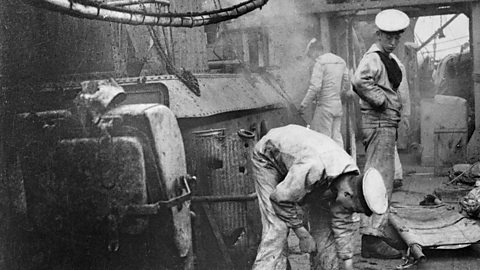
JACK MCCLAIN: Now I shovel coal into the engines of war ships.
There’s German submarines sinking all our ships.
Ships bringing our children food. I protect these ships. My job still is dirty but I don’t complain about the cold now.
[APPLAUSE]
JIM JARMAN: I’m Jim Jarman. I was a gameskeeper for the big estate.
I used to shoot ducks out the sky. Good shot I was too.
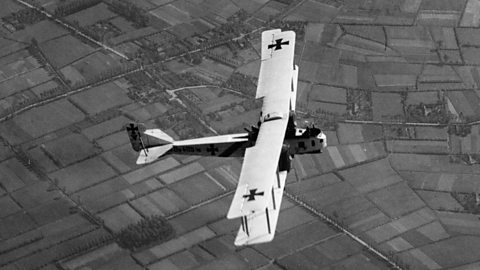
Now I shoot planes out of the sky.
Battles don’t just take place on the land or the sea but amongst the clouds with the wind on your face. Join up!
[APPLAUSE]
SOLDIER: Enough talk. It’s time to act. Prove you do your bit. Join us.
ALBERT GURNEY: You heard him. So while you get up and sign up, ladies and gentleman, Miss Vista Tilley!
[APPLAUSE]
Looks like Vista won’t be the only one bringing the house down tonight.
[EXPLOSIONS RUMBLE IN THE DISTANCE]
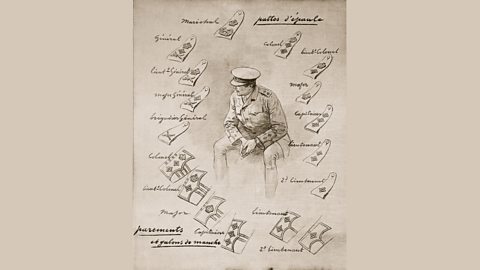
What did men do in the Army?
Click through the slideshow to find out.
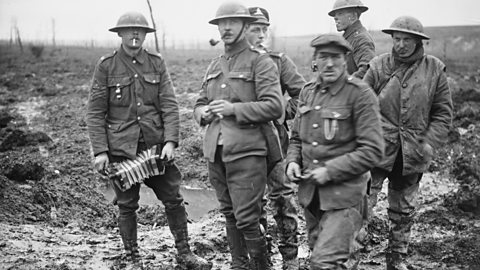
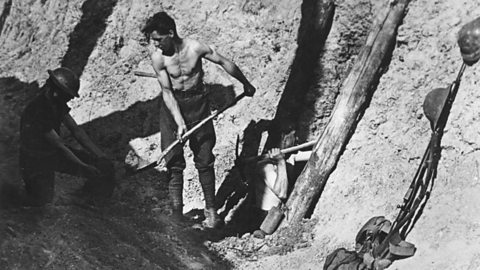
Image caption, Infantry soldiers lived in trenches for up to weeks at a time
When an attack was ordered, lines of infantry soldiers climbed out of the trenches and marched towards the enemy. This was called 'going over the top'.
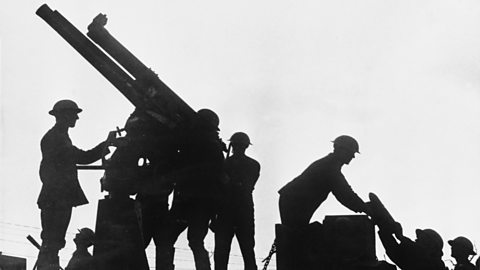
1 of 4
What did men do in the Navy?
Click through the slideshow to find out.
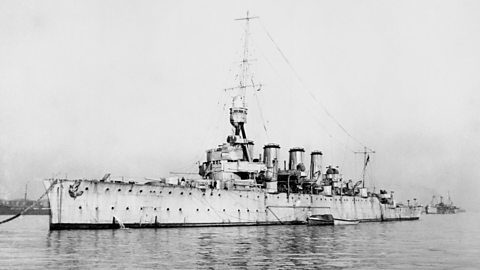
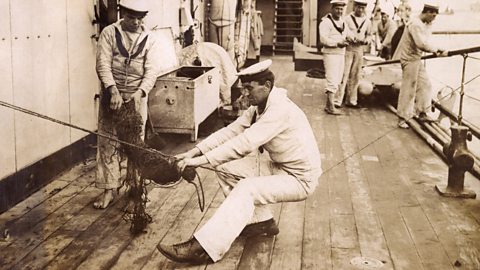
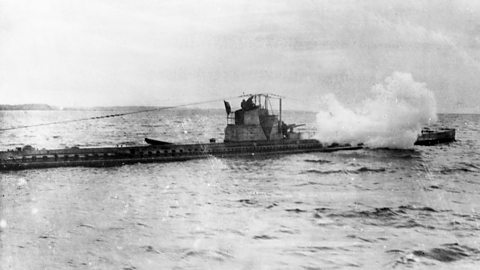
Image caption, The Navy protected the British Isles and its colonies
It also blockaded the ports of enemy countries to stop supplies getting in. World War One saw only one really big sea battle, the Battle of Jutland in 1916.
1 of 4
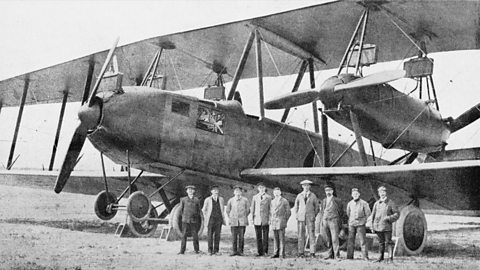
What did men do in the Air Force?
Click through the slideshow to find out.
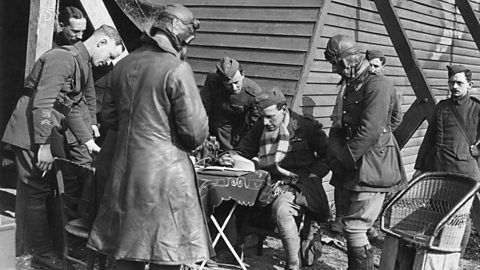
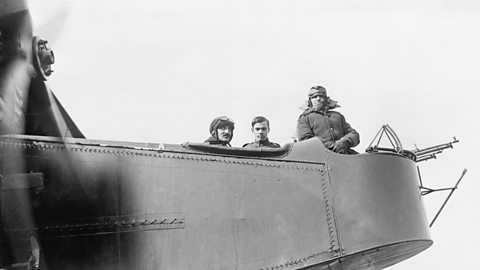
Image caption, Pilots handed in reports after flying over enemy lines
Their thick coats, gloves and helmets kept them warm when sitting in open cockpits in their planes.
1 of 4
How did life change for men?
In 1916, there were still not enough soldiers.
A law was passed forcing men to join up. This is called conscription.
Lots of men did not want to go to war, but they had to go.
Activities
Activity 1: Quiz – Men on the front line
Activity 2: History Explorer game
Play this game to test your knowledge and learn even more facts about World War One.
History Explorer: Secrets through time
History Explorer: Secrets through time: KS2 History
Horrible Histories: Raid and Trade game! game
Play Horrible Histories: Raid and Trade KS2 History
More on World War One
Find out more by working through a topic
- count28 of 43
- count29 of 43
- count30 of 43
- count31 of 43