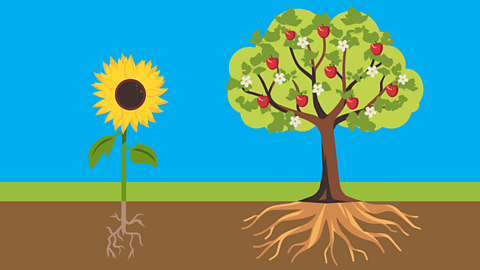
What is the life cycle of a plant?
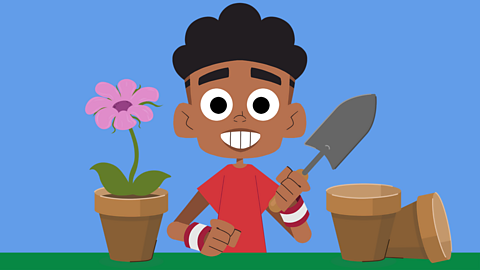
Plants are living things. This means that they grow and reproduce.
When a plant grows from a seed or bulb into a mature plant whose flowers or fruit produce new seeds to grow into new plants, this is called a life cycle.
What are the five stages of a life cycle of a plant?
- Most (but not all) plants grow from seeds. Inside of a seed is everything it needs to help it begin to grow. Each type of plant makes its own type of seed, which grows into a new plant.
- A seedgerminate which means it starts to grow.
- From the seed the shoot grows up for sunlight. The roots grow down for water.
- The seed grows into a seedling and then into a fully grown plant.
- On plants which flower, seeds grow which can then grow into a new plant.
Watch: The life cycle of a plant
Anna: Plants and animals go through different stages of their lives, this is called a life cycle.
Plants start as seeds or bulbs.
With the right temperature and water, most plants first grow roots underground to find water and nutrients in the soil, and then a shoot grows above the ground, searching for light. This is called germination. This is a mustard seed.
I started growing some last week, and look at how they've changed and grown compared to the seeds.
Here are the roots looking for water and nutrients. Here's the shoot that has grown into a seedling. Here are the leaves. They help it to make its own food from sunlight. And as the plant grows, the leaves will grow bigger and change too.
Throughout their life cycle, plants can look very different. In this greenhouse, we can see plants at different stages in their life.
Let's look at how plants grow. Dampen some kitchen paper with water and place on a plate. Sprinkle a few mustard seeds over the paper. Then, place the seeds near a window. Over the week, watch the plants grow and record what grows in what order.
Once it has grown, you can plant it outside, and it should eventually flower like this.
It's so exciting to see plants grow. We eat many types of plants like lettuce, carrots, and potatoes.
Can you guess which part of the plant a carrot comes from? Is it the root, the leaf, or the fruit?
Fascinating plant facts
Plants which produce seeds are the most common on Earth. This means you can find them almost anywhere.
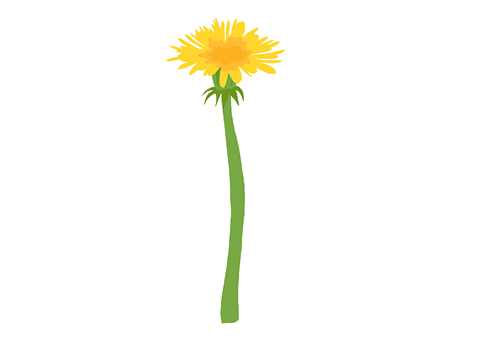
The dandelion uses the wind to spread its seeds by floating through the air.
A strawberry is full of tiny seeds which animals eat and then spread elsewhere.
Wildflower meadows can have up to 40 different types of wildflowers growing close together.
A leaf helps the plant make its own food by absorbing sun light.
Animals rely on plants for either oxygen, habitat, shelter or food which they need to live.
How are bulbs and seeds different?
Most of the world’s plants grow from either a bulb or a seed. But what is the difference between them?
Seeds
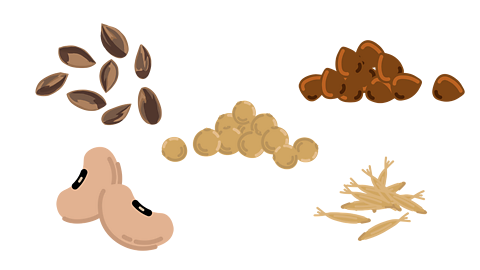
Seeds are often quite small and come in lots of different shapes and colours, depending on the type of plant that it comes from.
Seeds usually have an outer covering called a seed coat, which protects the part inside that will grow into a plant from being damaged.
A seed also contains all the food that a plant will need to start germinating.
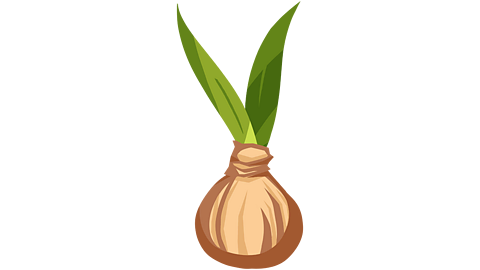
Bulbs
A bulb is an underground bud or stem of a plant at resting stage. Bulbs are often larger than seeds and also come in lots of different sizes and colours.
Different types of plants can grow from different types of bulbs.
Inside of a bulb is a mini version of the plant waiting to grow, including flower, leaf and root parts.
A plant's life cycle
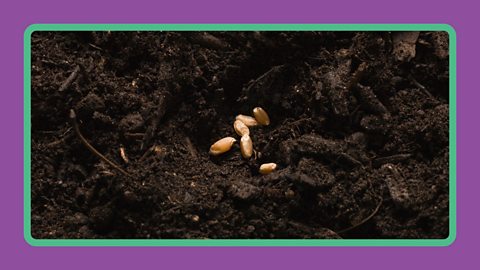
Image caption, A plant's life cycle starts when seeds or bulbs germinate in soil or water, which means that the plant starts to grow.
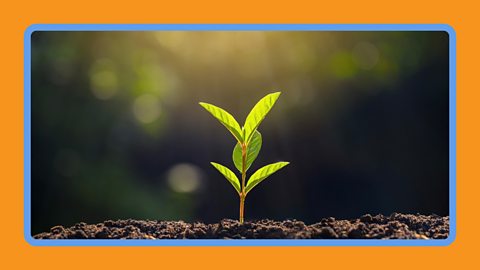
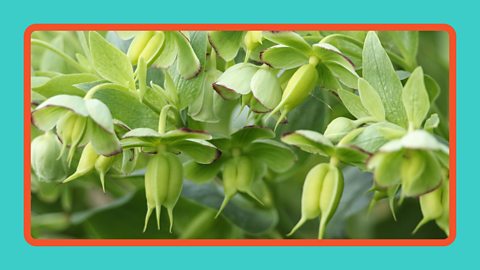
1 of 5
Did you know?
There are over 390,000 different species of plants on our planet but that is only the ones which have been found and identified.
There could be many more that just haven't been discovered yet.
How do plants spread their seeds?
Plants need their seeds to be spread to different places so that more plants can grow and they won’t be competing for water, light or nutrients.
Not all plants spread their seeds in the same way though.
Wind and water
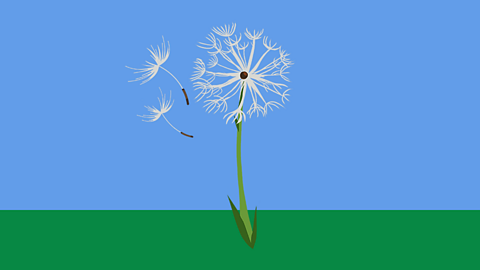
Some plants like dandelions, and trees like sycamore trees make seeds that are perfectly adapted to be spread using the wind. Dandelion seeds come away from the flower easily when they are ready to spread and are light enough for the wind to blow them a long way. Sycamore seeds are shaped like the blades of a helicopter so that in a gust of wind they rotate round and round so that they are carried far away from the tree they grew on.
Some seeds also float and can be carried away from the plant they grew on by a stream or a river to wash up somewhere new to grow downstream.

Using animals
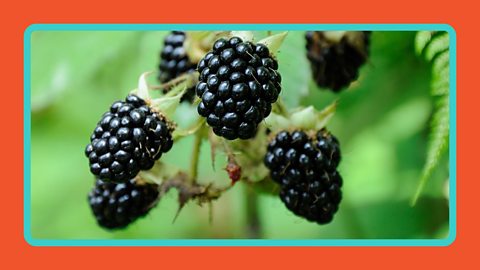
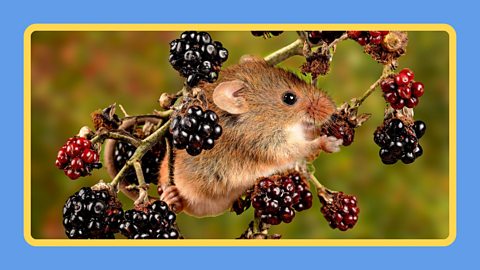
Fruits, particularly soft fruits like strawberries and blackberries provide food for lots of different wild animals such as birds and mice. These animals eat the fruit off the plant that it grows on, and then move on to somewhere different. When the animal poos the seeds come out too and are able to grow where they land!
Some seeds are adapted with tiny hooks, hairs or sticky bits which allow them to get caught on the fur, skin (or clothes!) of any animal that brushes past them. The animal then carries the seed to somewhere else when it can fall off and grow, often without the animal even realising it!
Humans
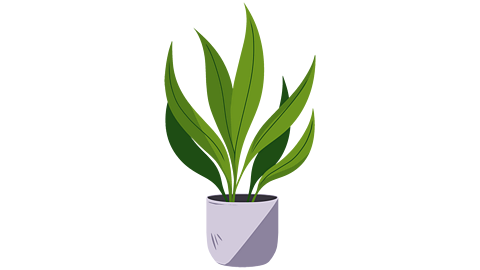
An activity that lots of people enjoy doing is gardening, where people plant seeds, bulbs and small plants and take care of them so that they grow. You don’t need a garden to enjoy gardening, you can grow plants in pots or window boxes, and even in your home!
Some people enjoy growing plants that may not usually grow wild in a particular place, and might buy packets of seeds or small plants to grow, which introduces a new plant to somewhere that it has never grown before.
Explosions!
Some plants are amazing at spreading their seeds all by themselves. The yellow wood sorrel fires its seeds one by one when it is touched, and the squirting cucumber plant shoots the fruit away when it is ripe, shooting its brown seeds out as it flies away.
Watch: The life cycle of a dandelion
Discover how dandelions spread their seeds.
Once fertilisation has taken place, the plant will produce seeds. They will often use the wind to transport these seeds.
And one of the best at this is the dandelion.
Each of the dandelion's seeds comes with its own individual parachute. This device works so well that a slight wind will carry the seeds high into the sky.
There are so many adult plants here that there is no room for the next generation of plants to grow, so the dandelions need the wind to take their seeds miles away.
New plants are formed and the whole process begins again.
Important words
Bulb – The initial underground stage of a growing plant.
Flowers – Flowers are brightly coloured to attract insects which then pollinate the seeds and help it to reproduce.
Fruit – Some plants produce fruit, which also contains seeds, that attracts animals to eat it and deposit it somewhere else.
Germinate – This is the process of a plant first starting to grow.
Life cycle – When a plant grows from a seed or bulb into a mature plant.
Reproduce – How plants use seeds to create new plants.
Roots – Roots live underground and help keep the tree in place, they also take up water.
Seeds – A part of a plant that grows another plant in reproduction.
Germinating - It is the process when a seed develops into a new plant.
Activities
Activity 1 – Plant life cycle quiz
Activity 2 – Drawing and describing
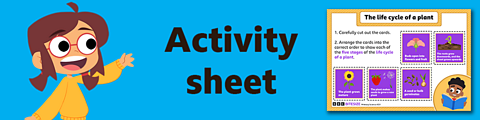
Print out or draw some pictures which show the different stages of a plant's life cycle using the worksheet below.
Identify each stage and explain what is happening.
Do you have plants in your home or garden? What stage of their life cycle are they at?
Play Galaxy Pugs. game
Help the pugs observe Earth’s animals, learn how to grow plants, study the human body, experiment with materials and much more!

More on Plants
Find out more by working through a topic
- count4 of 4
- count1 of 4
- count2 of 4