Grammar
What are homophones?
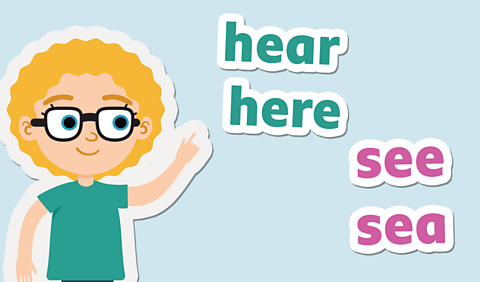
Homophones are groups of words which sound the same when you say them but have different spellings and meanings.
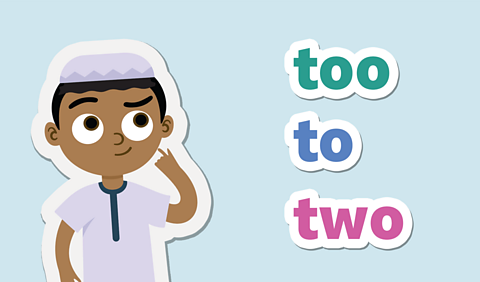
How to use to, too and two
Working out whether to use to, too or two can be tricky. Find out when to use each of these words.
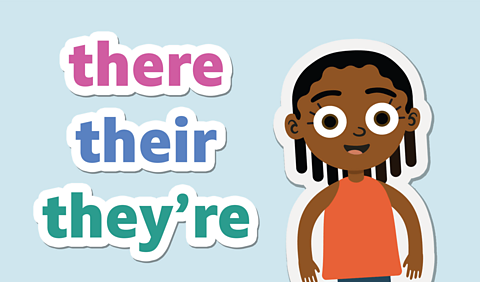
How to use their, they’re and there
Find out how to use the homophones their, they’re and there.
What are prefixes?
Discover how you can change the meaning of a word by adding a prefix.
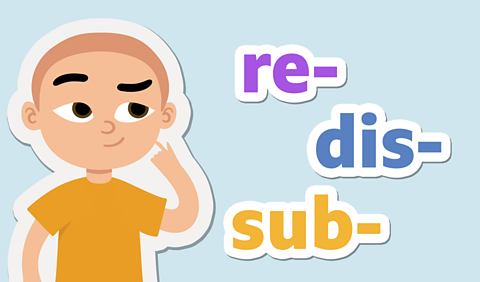
What are suffixes?
Find out how to add suffixes to the end of words to change their meaning.
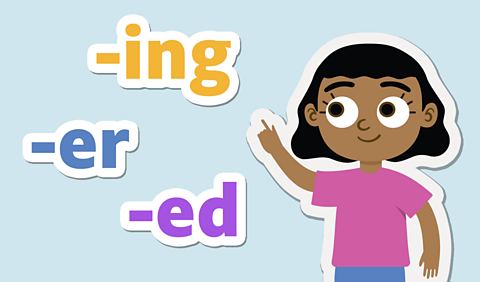
How to use the suffix –ly
Discover how you can add the suffix -ly to a word to change its meaning.
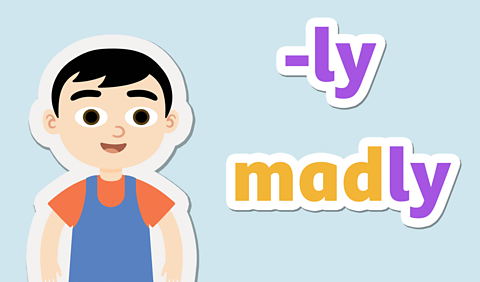
How to use the suffix -ation
Find out what happens when you add the suffix -ation to the end of a word.
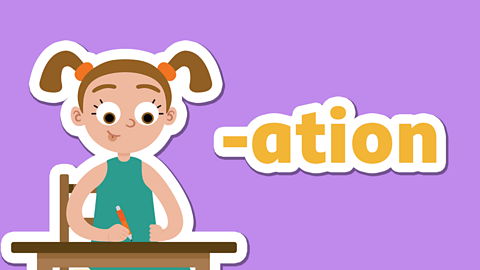
How to use the suffix -ous
Find out what happens when you add the suffix -ous to the end of a word.
How to add suffixes to words ending in -fer
Find out how listening to the stress of the final syllable can help when adding suffixes to words.
What is a pronoun?
Pronouns take the place of nouns in a sentence, examples are 'him', 'her' and 'them'.
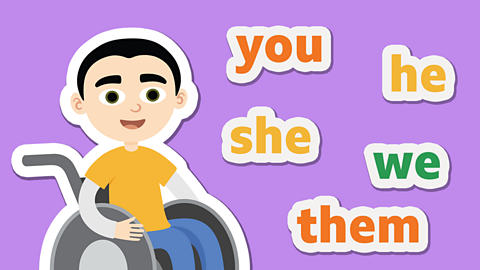
What is an adverb?
An adverb tells you how something happens, like quickly and slowly.
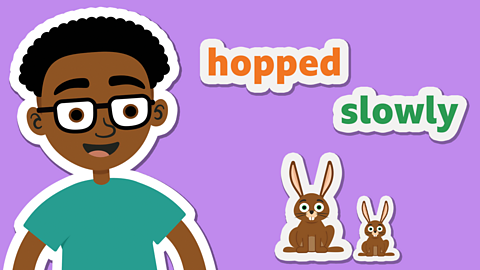
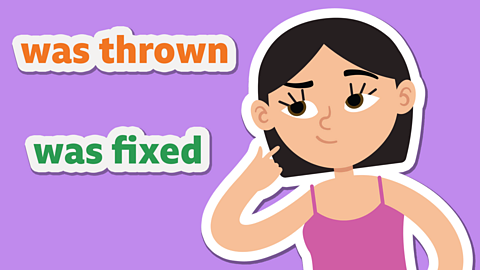
What is a passive verb?
When the subject of a sentence isn't active the verb is passive. If you want to make a sentence active, the subject of the sentence should be doing something.
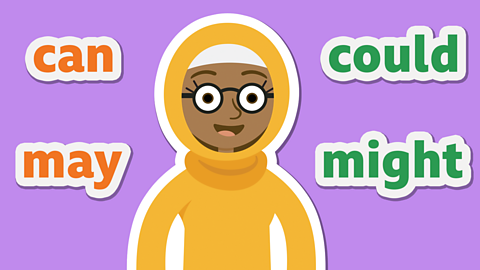
What are modal verbs?
Find out how modal verbs can be used in your writing.
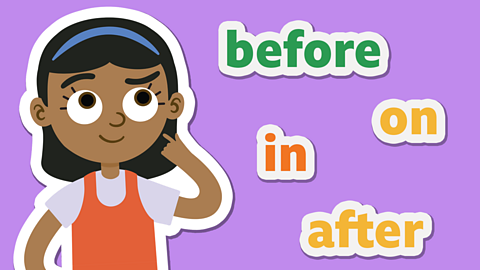
What is a preposition?
A preposition is a word that tells you where or when something is in relation to something else, like "after","before" or "on".
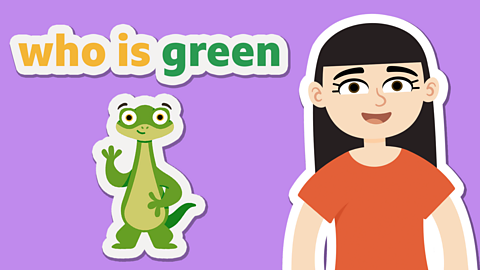
What is a relative clause?
A relative clause starts with a relative pronoun (who, that, which, whose, where, when) and is often added to a sentence to define a noun.
What are subordinating conjunctions?
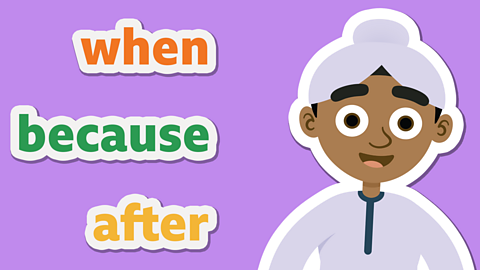
A subordinate conjunction joins two ideas or clauses in a sentence.
What are coordinating conjunctions?
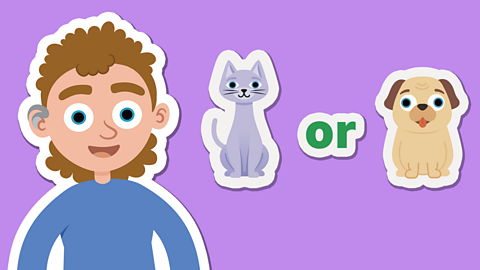
Conjunctions are joining words, coordinating conjunctions join groups of words about similar things.
What is an expanded noun phrase?
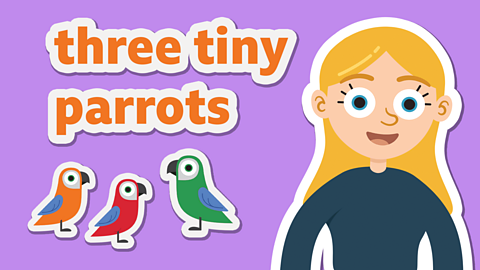
Expanded noun phrases tell you more about the noun, so the reader will have more information.
What is a fronted adverbial?
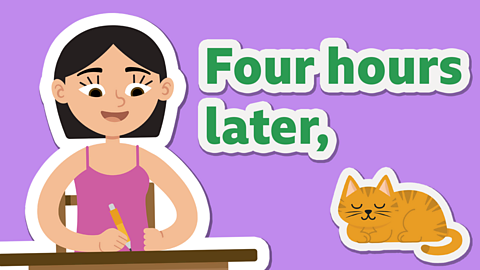
What are fronted adverbials? When can you use them to replace adverbials?
Verbs and the different tenses
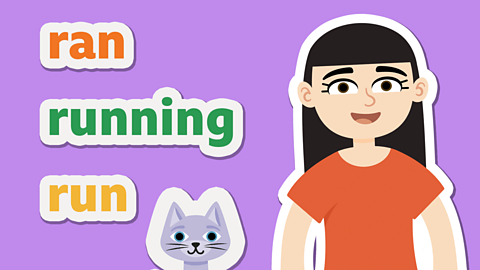
Learn how to use verbs to form the past, present and future tense.
Matching the verbs to the subject
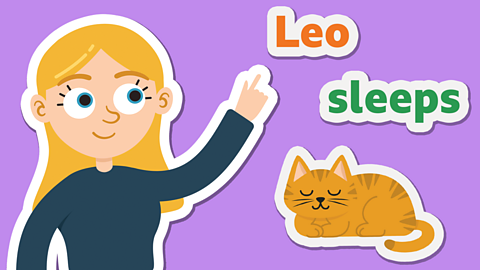
Learn to make sure the subject of a sentence matches the verb correctly.
Simple, compound and complex sentences
Learn about simple, compound and complex sentences, and writing in more detail.