Key points
Geothermal energy is heat that comes from below the Earth's surface. Geo means Earth, and thermal means heat.
This heat from underground is not going to run out, so it is a great source of Something that does not run out when used. energy.
Hot water and steam from deep underground can be used to drive A turbine is a machine that turns the movement of liquid or gas into energy that can be used. In a simple turbine water or air push against turbine blades and spin them round. The spinning blades turn a long pole called a shaft. The shaft can then turn other pieces of machinery, such as a generator that is used to produce electricity. and generate electricity, or to heat buildings directly. This is called geothermal energy.
How geothermal energy works
Find out how the heat of the Earth can be used to generate clean electricity.
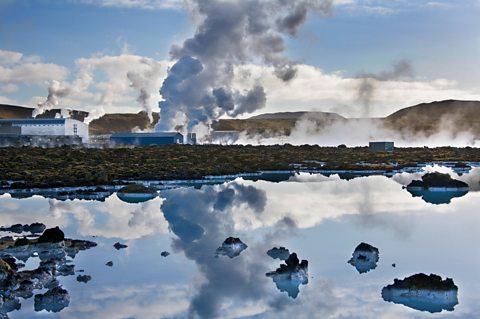
Have you ever thought about how much energy there is underground? Enough to boil underground water until it erupts forcing steam and water high into the air. It doesn’t just look spectacular, it’s a great source of usable energy: geothermal energy.
‘Geo’ means earth and ‘thermal’ means heat. So geothermal energy is generating energy from the Earth’s heat, and is a great source of renewable energy.
So, how does it work? Deep below the surface of the Earth is the Earth’s mantle – a layer of hot, molten metal. Heat from the mantle rises up through the Earth’s crust. Where the crust is thinnest, this heat gets much closer to the surface. In some places it heats up water in underground lakes and reservoirs.
Geothermal energy plants use this hot water to generate electricity. Pipes are drilled down to these water stores. The water is so hot that it produces steam which rises up through the pipes and is used to turn the blades of turbines. The turbines drive generators that generate electricity to power homes and businesses.
The best bit is that after the steam has powered the turbines it can be cooled until it condenses back into water and then pumped back down to be reused and heated again.
In some volcanic regions, like Iceland, geothermal energy is so close to the surface and easy to tap into that the heat is used for other things other than generating electricity. In Iceland’s capital, Reykjavik, some of the geothermal energy provides hot water that runs in pipes underneath some roads, pavements, and car parks. As well as making pedestrians feel warm in freezing winter temperatures, this melts snow and keeps roadways clear. Something we could use over here in Scotland. Amazingly, Iceland gets more than a quarter of its electricity generation from geothermal sources.
Stuart Gilfillan, Geochemistry Lecturer, University of Edinburgh: A really important thing about geothermal energy in terms of its renewable capabilities is that it’s available twenty-four hours a day, three-hundred and sixty-five days a year. So the Earth’s heat is there and it’s available all the time, and that’s a contrast to wind power which is obviously not there if the wind doesn’t blow.
In solar power, another big renewable source, clearly that doesn’t work very well at night when the Sun isn’t shining. Generally, geothermal power plants are available about 90-odd percent of the time, and that’s even higher than most fossil fuel power plants, which would operate for about seventy-five percent of the time.
So, what’s the catch? Geothermal energy is limited to only a few places around the world that are volcanically active. These include places on the Ring of Fire, like the west of the USA, Indonesia, New Zealand, and Japan. On top of this, it is expensive to build these plants in the first place.
Also, when building these plants, the digging to get to the geothermal energy releases greenhouse gases. While they’re nowhere near as bad as fossil fuels, the gases still count.
How would you like to live in a city that is warm in the freezing depths of winter?
Deep below the surface of the earth is the Earth’s The middle layer of the Earth's structure. The mantle lies between the Earth's core and the crust. This is the thickest layer of the Earth and is mostly made of solid rock, with some softer, very slowly flowing rock deeper down near the core.. Heat from the mantle rises up through the Earth’s crust. Where the crust is thinnest, this heat gets much closer to the surface.
In some places it heats up water in underground lakes and reservoirs. Geothermal energy plants use this hot water to generate electricity.
- Pipes are drilled down to underground water stores.
- The water is so hot that it produces steam, which rises up through the pipes and is used to turn the blades of turbines.
- The turbines drive generators that generate electricity to power homes and businesses.
- The best bit is that after the steam has powered the turbines, it can be cooled until it When water turns from vapour to liquid. back into water.
- The cooled water is then pumped back down to be reheated and then reused.
Location factors
Geothermal energy works best where the Earth’s crust is thinnest.
This is usually along the fault lines between different Large slabs of solid rock that form the Earth’s crust. They are like the pieces of a large jigsaw puzzle that fit together and are separated by fault lines. Tectonic plates slowly float around on a thick layer of hot, molten and semi-molten rock called the mantle. The movement of tectonic plates can create mountains and seas or cause earthquakes and volcanic eruptions..
These include many places on the “Ring of Fire”, like the West of the USA where the Pacific plate is pushing into the North American plate. But also places like Indonesia, New Zealand and Japan.
Geothermal energy use in Iceland
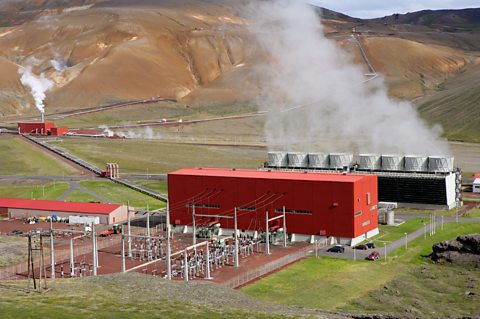
Iceland sits on the mid-Atlantic ridge where tectonic plates meet. The country gets more than a quarter of its electricity generation from geothermal sources.
Geothermal energy is so close to the surface and easy to tap into, that the heat is used for other things than generating electricity.
In the capital, Reykjavik, some of the geothermal energy provides hot water that runs in pipes underneath some roads,pavements and car parks. This melts snow and keeps roadways clear, as well as making pedestrians feel warm in freezing winter temperatures… something we could use over here in Scotland!
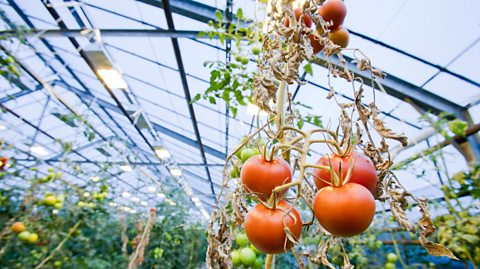
Geothermal energy is also used for agriculture. Despite very low winter temperatures, crops including tomatoes, cucumbers and lettuce can be grown using geothermal energy to heat greenhouses directly and to generate electricity to provide the crops with the light they need to grow.
Ground source heat pumps
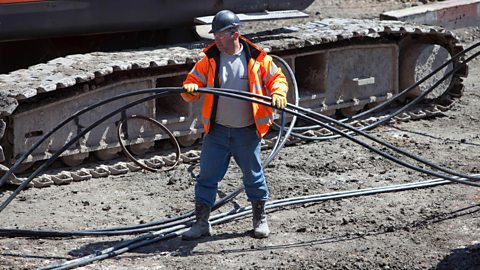
It is not currently economical for Scotland to use geothermal energy to generate electricity as this would involve drilling pipes to a great depth. But geothermal energy can be used in Scotland to provide heat directly.
Two schemes in Scotland (in Shettleston in east Glasgow and Lumphinnans in Fife) each use the heat from water in abandoned mines to heat a small number of homes.
Individual homes or buildings can use ground source heat pumps as an alternative to gas boilers or electric boilers to power central heating.
Most ground source heat pumps use horizontal pipes that are buried in trenches two metres or more underground. Fluid pumped through the pipes warms up due to the heat held in the ground.
The fluid is compressed which increases its temperature.
A heat exchange transfers heat from the fluid to water that supplies central heating and hot water to the building.
Ground source heat pumps work at low temperatures so buildings need to be well insulated and free from drafts for them to work effectively.
Sustainability of geothermal energy
To develop a sustainable future you need to think about meeting today's needs and protecting the environment and resources for the future.
Geothermal power plants do not burn fuel so they do not cause many greenhouse gas emissions. They can release small amounts of carbon dioxide and sulfur dioxide. Sulfur dioxide causes pollution including acid rain. Geothermal plants can remove sulfur dioxide so it is not released into the atmosphere.
As long as geothermal plants and heating systems recycle water back into the underground reservoirs they came from, they are not using up this resource, meaning that they are renewable and sustainable.
Advantages and disadvantages of geothermal energy
Advantages
- Geothermal energy is renewable as the heat energy from the Earth is not used up.
- It has little negative impact on the environment as there is little pollution or greenhouse gases released into the atmosphere.
- Geothermal is a reliable source of electricity and it is easier to predict and control the power output from a geothermal plant accurately compared to wind, wave or solar power which rely on changeable weather.
- It can be used directly to heat homes, workplaces and greenhouses.
Disadvantages
- Major use of geothermal energy is limited to only a few places around the world that are volcanically active.
- It is expensive to build geothermal energy plants in the first place.
- Small amounts of carbon dioxide and sulfur dioxide can be released, so these must be captured to prevent pollution.
- In Scotland, ground source heat pump systems only work effectively in buildings that are well insulated and draft-free.
Test your knowledge
More on Energy sources and sustainability
Find out more by working through a topic
- count6 of 12
- count7 of 12
- count8 of 12
- count9 of 12