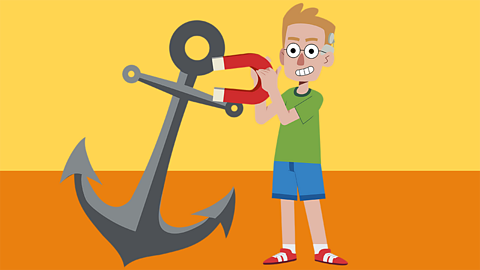
Magnetic materials
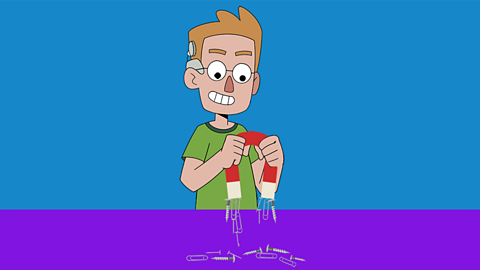
If a magnet sticks to a material, then that material is magnetic. Materials which are magnetic are always made of metal.
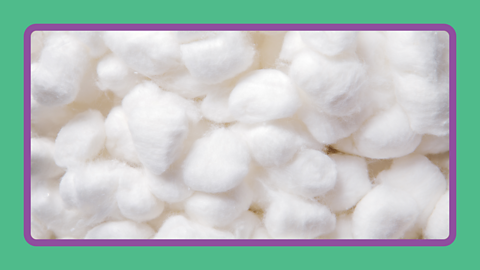
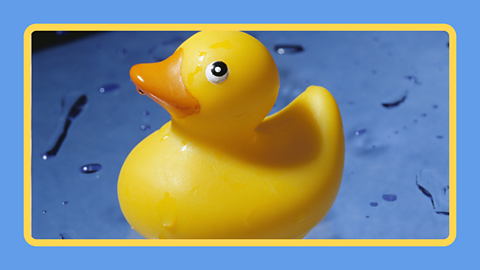
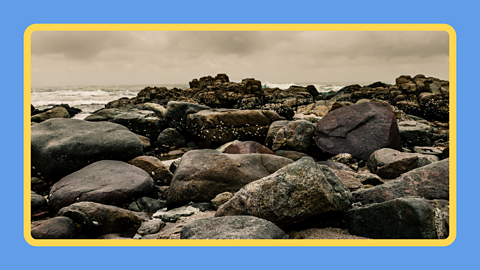
Other materials, such as plastic, cotton and stone are non-magnetic because they are not made of metal and so magnets do not stick to them.
Magnetic materials are always made of metal, but not all metals are magnetic.
The threemagneticmetalelements are:
- iron
- nickel
- cobalt
Any compound or alloy (mixture of metals) that contain these elements will be magnetic, such as steel or stainless steel.
Silver, zinc, tin and gold are all metals too, but they are notmagnetic.
Watch: Which metals are magnetic?
Watch this video about the metals that magnets are attracted to. Have a think about which objects should be made from magnetic metals and which objects should not.
Take a look at all the different magnetic materials in this video.
Narrator: Ooooh, new magnet? Go on then, let’s see it in action.
Ooooh. Haha, whoops! Does that mean things will be attracted to you now?
Uh oh! Those forks look pointy!
Hey, why aren’t those metal objects attracted to the magnet?
Ah, magnetic materials are always metal, but only a few metals are magnetic.
The forks are made from silver, which is not magnetic, rather than a magnetic metal like iron, steel or nickel.
Well, at least something is attracted to you!
Fascinating facts

Magnets are used in lots of things that we find around us, such as toys, jewellery and fridge magnets. Compasses also use magnetism to make sure the needle always points north.
The Shinkansen bullet train in Japan uses magnetic forces to lift the train off the ground and propel it along the rail line at speeds of over 200 mph.
The Earth's core at the centre of our planet contains iron and nickel and has its own magnetic field.
Scientists think that migratory birds use the Earth's magnetic field as a map to travel to and from their seasonal homes.
The Northern Lights are created by the Sun's particles colliding with the Earth's magnetic field, creating vivid colours of red, green and blue in the night sky.
We measure magnetism in a unit called the tesla, named after the scientist and engineer Nikola Tesla.
Magnetic or non-magnetic?
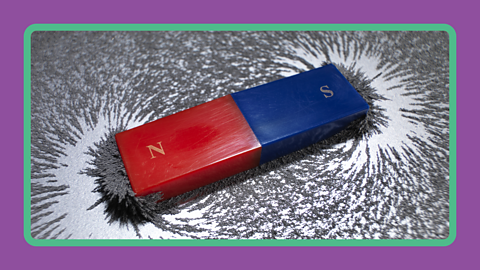
Image caption, Iron
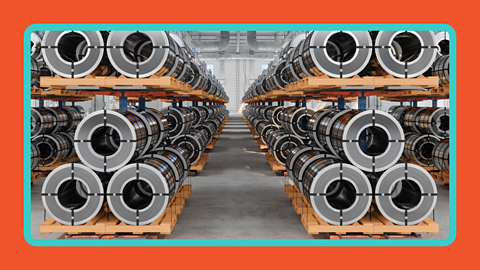
Iron is magnetic, so any metal with iron in it will be attracted to a magnet.
1 of 6
Did you know?
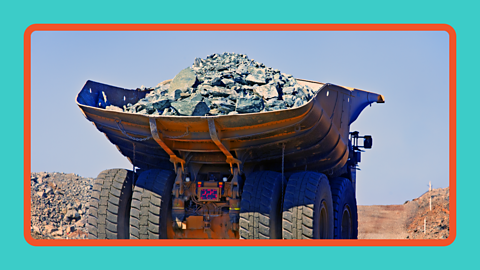
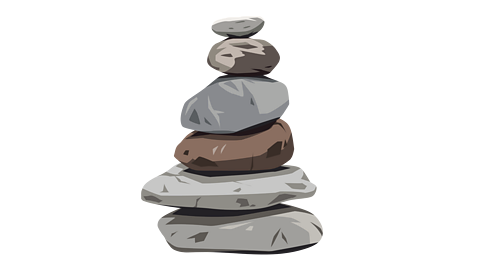
Some rocks can be magnetic.
Metals start off as an ore, a natural rock that contains valuable minerals and metals.
Therefore some rocks containing metals can be magnetic, like iron ore. The ancient Greeks discovered rocks called lodestones, which produce their own magnetic field. Lodestones are made of the ore magnetite, which contains iron.
What is a magnet?

A magnet is a metal that can attract (pull) or repel (push) other types of metals. They may have practical uses, like keeping doors shut and moving heavy objects, but they can be really fun as well.
The force of magnets is called magnetism. Magnetism works over a distance. This means that a magnet does not have to be touching an object to pull or push it.
Magnets have two ends. We call these their north pole and south pole.
When two of the same poles are placed close together they repel (push apart) each other. When two different poles are close, they attract (pull together) each other.
Just like with an object and a magnet, two magnets only need to be near each other to attract and repel, they don't need to be touching. The space around a magnet has attracting and repelling forces. These are strongest at the poles of the magnets.
Important words
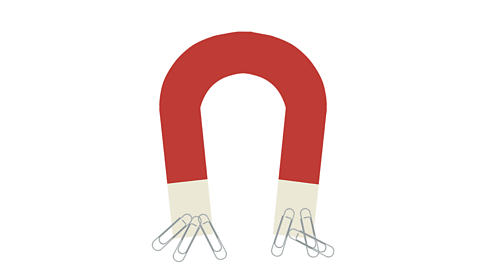
Attract – When something attracts another thing, it pulls them together. Magnets attract metal objects.
Elements - A substance that cannot be broken down into any other substance.
Magnet – A magnet is a metal that can attract (pull) or repel (push) other types of magnetic metals.
Magnetic field – The area around a magnet in which a magnetic force is active.
Magnetism – The force exerted by magnets when they attract or repel each other.
Non-magnetic – A material that has no magnetic properties, like plastic, wood or glass.
Pull – Using force to move something towards you.
Push – Using force to move something away from you.
Repel – To force or drive something or someone back.
Activities
Activity 1 – Identify the magnetic materials
Activity 2 – Magnetic materials quiz
Activity 3 – Discovering magnetic materials

With a magnet, walk around your house, garden, or local park and see which materials are magnetic and which ones aren’t.
If you don’t have a magnet, you can do the same thing but try to use what you have learned here to identify which materials you think might be magnetic.
Note down your findings on paper.
Activity 4 – Cut and stick
New game! Horrible Science: Stinky Space. game
Join Pipette on her epic mission and learn some revolting facts about space along the way.
More on Forces
Find out more by working through a topic
- count3 of 3

- count1 of 3