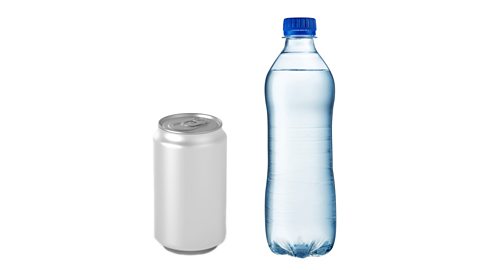
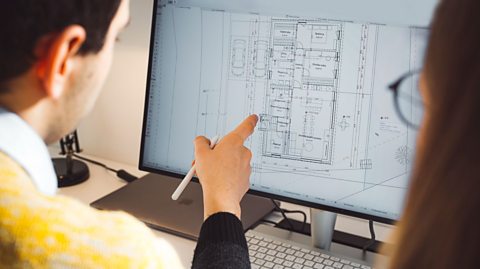
What are the key points about form and function?
- In product design the balance between form and function is crucial.
- Form refers to the product's shape and appearance while function focuses on how well it works.
- Understanding these concepts helps designers create products that are not only visually appealing but also effective and practical for users.
Form follows function
- the shape is based on purpose
- it prioritises usability over aesthetics
Example
Plain, practical desk for homework and studying
- user experience: any emotional connection to a product may be lost
- market trends: the product may not appeal to consumers
- innovation: limits creative design
- accessibility: aspects of the product may exclude diverse users
- sustainability: the environmental impact can be overlooked
A simple table illustrating form following function
Function follows form
- aesthetics drive design choices
- the shape is prioritised over functionality
Example
A heavily stylised desk with eye catching colours and curves.
- usability: the shape or materials may compromise practical use
- market trends: attracts attention but can fade quickly - it goes out of fashion
- consumer expectations: users expect both beauty and utility - it needs to look good but also work
- cost: attractive designs may increase production costs
- innovation: it can inspire new ideas but there is a risk of impracticality
A highly decorative table illustrating function follows form
Example
Comparison of smart and feature phones
This comparison explores smartphones and basic phones. Comparing sleek design and multifunctionality of smartphones with the practical simplicity of basic phones.
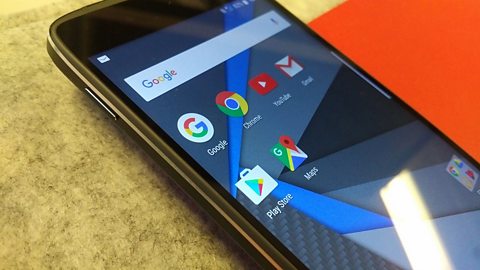
Smartphone
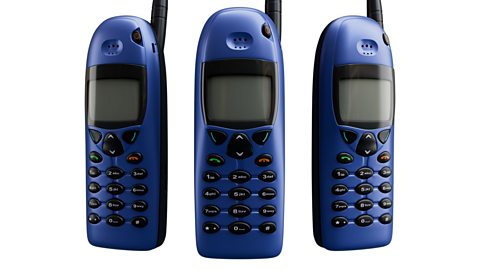
Feature (basic) mobile phones
Smartphone
Form
- sleek design with a glass and metal finish
- thin and lightweight for easy handling
- various colour options enhance visual appeal.
Function
- provides communication through calls and texts
- internet access for browsing
- apps for multiple functions like social media, photography and gaming
Balance
- combines modern aesthetics with high usability
- design attracts users while ensuring easy access to features
- users appreciate both style and function.
Basic mobile phone (feature phone)
Form
- simple plastic casing with a compact design
- often available in limited colours
- less emphasis on visual appeal.
Function
- primarily designed for calls and texts
- limited features focused on essential communication without distractions.
Balance - highly functional but lacks aesthetic appeal
- prioritises practicality over design, appealing to users needing simplicity.
Test yourself
More on Design and innovation
Find out more by working through a topic
- count6 of 6
- count1 of 6

- count3 of 6