Key information
In this guide we'll use listening examples and musical notation to learn about these rhythmic devices:
- 3 against 2
- time changes
- irregular time signatures
- triplets
- augmentation and diminution
What is 3 against 2?
The rhythmic effect of three notes played against two notes.
In this example, the melody subdivides each beat into three. The bass part subdivides each beat into two.
Minimalist composers often use 3 against 2 or cross rhythms to develop their music as you can hear in the example below.
The music of Philip Glass is recognisable for the repetition of these rhythms which create a hypnotic, dreamy feeling.
Listen to Morning Passages composed for the film The Hours by Philip Glass.
What are time changes?
The time signature, also known as metre, is how we measure the beats contained in each bar. These can change from bar to bar.
In Golden Brown by The Stranglers, the time signature alternates between bars of 6/8 and 7/8.
Try tapping along to spot the change.
Golden Brown - The Stranglers
Listen below to Mussorgsky’s Pictures at an Exhibition where a solo trumpet announces the main theme and is answered by the whole brass section. Follow the score and notice the time changes from 5/4 to 6/4.
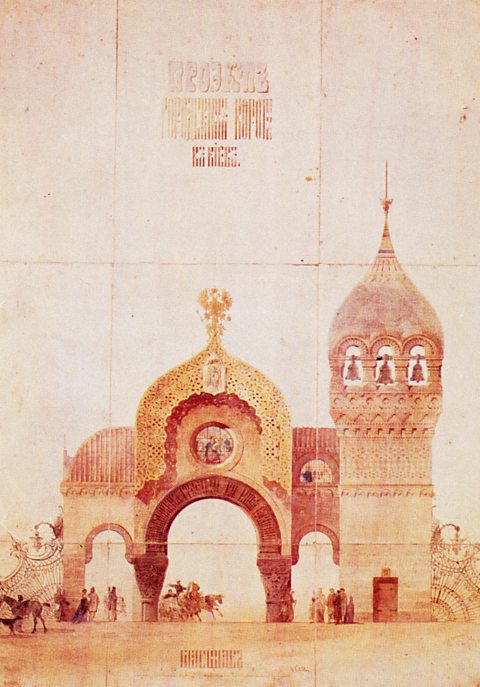
Solo trumpet announces the main theme with one bar in 5/4 and one bar in 6/4 time.
Answer by the whole brass section with one bar in 5/4 and one bar in 6/4 time
Other examples of time changes
The Beatles used time changes frequently in their music:
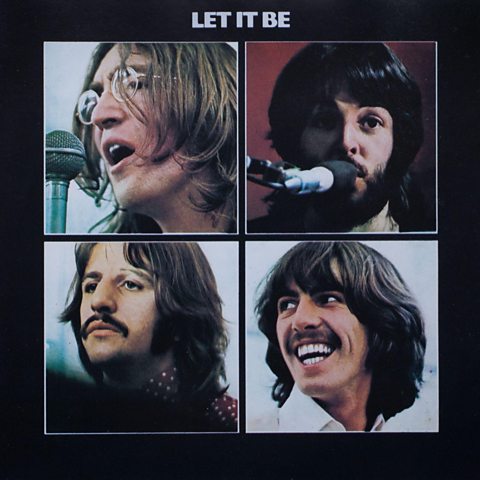
Let it Be by the Beatles has time changes from 3/4 to 4/4 - try playing along with this song to feel the changes in time
Happiness is a Warm Gun includes many time changes. It flows from 4/4 to 5/5 to 9/8 to 10/8.
What are irregular time signatures?
Irregular time signatures have either an unusual number of beats or the time signatures changes.
How many beats are in the bar in this example, Money by Pink Floyd?
Tip: tap along with the bass line to count it out.
Money has the irregular time signature of 7 beats in the bar.
Pink Floyd - Money
How many beats are in the bar in this example, Take Five by Dave Brubeck?
As the name suggests, Take Five has 5 beats per bar.
Notice the minor key and use of Musical rhythm which stresses the off beats (weaker beats)..
Dave Brubeck Quartet - Take Five
Other examples of irregular time signatures and time changes
- Mission: Impossible Theme by Lalo Schifrin is in 5/4 time
- Solsbury Hill by Peter Gabriel is in 7/4 time
- Hangin' Tree by Queens of The Stone Age is (mostly) in 5/4 time
What are triplets?
A triplet is a group of three notes played in the time of two.
Triplets are found in When the beat can be divided into two equal beats..
In Livin' on a Prayer by Bon Jovi, the lyric “You live for the fight when that’s all that you’ve got” is sung as three triplets (shown between vertical lines below):
“You |live for the| |fight when that’s| |all that you’ve| got”
Bon Jovi - Livin' on a Prayer
In the musical score of intermezzo from Carmen by Georges Bizet shown below, the triplet quavers are shown in the red box.
Listen and follow the musical score to spot them.
Georges Bizet - Intermezzo from Carmen
Listen to the opening of Mars, the Bringer of War by Gustav Holst, from his suite based on the seven planets.
Hear the strings playing the relentless triplet rhythm Playing a stringed instrument using the wooden back of the bow..
Gustav Holst - Mars, the Bringer of War
What is augmentation?
Augmentation is an increase in the length of notes.
In this example, a melody is heard twice. During the second playing, the note lengths increase.
Listen to this example of augmentation in The Lamb by John Tavener.
Compare the two phrases. The note lengths have been doubled in the second phrase.
Notice also the use of Singing each syllable as a single note singing in this example.
“Little Lamb who made thee?”
“Dost thou know who made thee?”
Listen to these two phrases from The Firebird: Final Hymn by Igor Stravinsky.
Notice how the accented chords played by the brass section are augmented in the second phrase.
Listen to the brass chords in this phrase from The Firebird: Final Hymn by Igor Stravinsky.
Notice how the brass chords have been augmented in this second phrase from The Firebird: Final Hymn.
What is diminution?
Diminution is a decrease in the length of notes.
In this example, a melody is heard twice. During the second playing, the note lengths decrease.
Composing activity
If you already have an original melody and you are looking for some ideas to develop it, why not explore using augmentation or diminution.
Simply double the note lengths to create augmentation or half the note lengths to create diminution. This is a very simple technique which can be used to develop your rhythms.
Quiz

3 against 2 - rhythmic effect of three notes played against two notes.
Triplets - group of three notes played in the time of two
Augmentation - an increase in the length of notes.
Diminution - is a decrease in the length of notes.
More on Understanding Music
Find out more by working through a topic
- count4 of 17
- count5 of 17
- count6 of 17
- count7 of 17