Key facts about sampling:
- random sampling selects participants by chance, reducing bias but increasing costs
- quota sampling targets specific traits, lowering costs but increasing bias
What is market sampling?
Sampling is the process of creating a small unbiased population to be used in a test or experiment. The sample removes the impractical idea of surveying everyone in a market or a population.

What is random sampling?
Random sampling is when a sample is created by chance. It is the luck of the draw.
Random sampling does not target any specific A group of people who share similar characteristics and buying habits. . The people to be included in the sample are generated at random. This could be done by using a computer program or taking names from a list or telephone book.
| Advantages | Disadvantages |
|---|---|
| Less chance of bias as respondents are chosen at random | The sample may not truly reflect the target market |
| Simple and quick to select sample | It can be expensive as a large sample is required |
What is quota sampling?
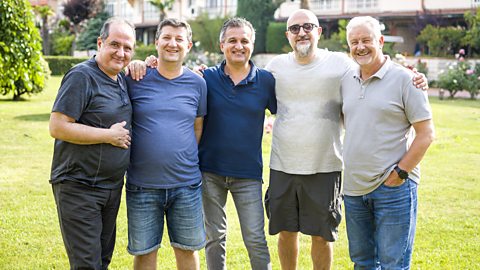
Quota sampling is a sample that has been created to mimic the characteristics of a market. The researcher will choose the characteristics they wish the to have. For example, only sampling males who are over 50 years old.
| Advantages | Disadvantages |
|---|---|
| Cheaper as less respondents are required | Harder to eliminate bias in the selection process |
Example comparison of random and quota sampling
Random sampling does not target any specific market segment. Quota sampling chooses a group of people with certain characteristics.
Random sampling is often more expensive than quota sampling as it requires a large group of people to be sampled. Quota sampling requires less respondents.
Try the sampling quiz
Final check
What is one key difference between random sampling and quota sampling?
Random sampling selects participants by chance with no specific criteria, while quota sampling targets a specific group with chosen characteristics.
More on Market Research
Find out more by working through a topic
- count6 of 8

- count1 of 8