KEY FACTS:
What are the causes of risk taking behaviour?
- boredom
- peer pressure
- influence of drugs or alcohol
- rebellion
- media
- curiosity
- self-expression
- unaware of the risk
What are the consequences of risk taking behaviour?
- injury or harm to the young person
- injury or harm to others
- criminal charges
- regret
- negative effects on relationships
What is risk-taking behaviour?
Risk-taking behaviour is any action that directly or indirectly has a negative effect on health, happiness, or other people.
This guide will focus on the following types of risk-taking behaviour:
- anti-social behaviour
- unprotected sex
- deliberate self-harm
- severe or excessive dieting
- compulsive overeating
- dangerous driving
Why do we take risks?
It’s all part of growing up
It's natural to push the boundaries when growing up.
It’s no surprise that experimenting with risky situations comes with age.
People are naturally curious, keen to get personal experience of whether an activity is bad or good so they will not always accept being told that an activity is bad.
People want to find out for themselves.
"I’m so bored…"
Sometimes people take risks because they are bored and want to ‘spice up’ their lives.
In most cases this boredom is the result of some imbalance in how they live their lives.
"I just want to be liked…"
It’s natural to want to be liked. However, when this need overcomes the sense of self-preservation it has gone too far.
"Look at me, look at me!"
Sometimes, impressing people isn’t what is intended, it could just be a desire for attention from others.
This need can be caused by a sense of loneliness and insecurity which arises from bad life experiences such as poor parenting or bullying.
The adrenalin rush
Adrenalin is a powerful drug produced by the body in exciting or stressful situations.
This surge of energy leads many young people to overlook the danger of risky activities.
Drugged-up decision-making
An altered state of consciousness might blind people to the dangers of their decisions.
Under the influence of a drug, a person could make poor decisions which they would never make when they have a clear mind.
Money, money, money
Young people may turn to crime to earn money through theft, drug dealing or extortion.
Media
At times, the media can present risky behaviours as a challenge or an experience that young people should try.
This will encourage a young person to give it a go for fear of missing out.
What are the consequences of risk-taking behaviour?
Relationships may suffer
Involvement with risk taking behaviour can affect relationships with friends, family or romantic partners.
Family members may worry, leading to conflict.
Friends may not wish for their reputation to be tarnished by association and could distance themselves from the friendship.
Injury
Risk taking behaviour could result in an accident, injury or even death.
Innocent bystanders could be hurt.
Facing criminal charges
Dangerous or illegal behaviour may lead to arrest.
This will cause problems at school and work and may lead to curfews, fines, probation or prison.
A criminal record will also lead to limitations in job prospects or travel opportunities.
Regret
Regret can linger for many years if risk-taking behaviour has led to long-term difficulties.
How can risk be recognised, assessed and managed?
Anti-social behaviour
It may be difficult to recognise a personal role in anti-social behaviour.
What may seem like fun could be considered intimidating to others.
Think: Is this behaviour affecting other people?
Does it interfere with their comfort or enjoyment of what they are doing?
If the answer is yes, then review and change the behaviour.
Sexual activity
Some sexual activity is part of growing up. However, sexual activity carries a lot of risk.
Teenage pregnancy can make life extremely difficult and sexually transmitted diseases are a real threat.
Think: Is sex something that is consensual? Are the risks of this behaviour understood?
Self-harm
When some people self-harm, there might be an intent to end their life.
However, according to the NHS, not everyone who self-harms wants to do this.
Some people describe their self-harm as a way of staying alive by responding to or coping with severe emotional distress.
Self-harm is always dangerous and can lead to severe injury, even if that is not the intention.
There are organisations that offer support for people who self-harm, including The Samaritans, Mind, Harmless, The National Self Harm Network, and Young Minds.
Think: is there another way to release the difficult feelings? Are there professionals who could help?
Dangerous dieting
Society places a lot of significance on appearance, suggesting that a smaller body is preferable to a larger body.
Many people continually strive for a smaller body, even when their body is perfectly healthy.
In extreme cases, excessive dieting can lead to eating disorders which can be very dangerous and even fatal.
Before trying to lose weight it is important to consult with a doctor.
Think: Is dieting worth risking your health?
Compulsive over-eating
Many people manage stress or boredom by overeating.
This not only leads to weight gain but also puts pressure on the body’s organs, leading to a variety of health problems including heart disease and diabetes.
Think: is there another way to manage feelings without overeating?
Dangerous driving
A car can be a lethal weapon.
Joy riding or driving under the influence of alcohol or drugs is foolish and extremely dangerous to the driver and others.
Think: Getting behind the wheel of this car could lead to jail or hospital.
What are the benefits and misuse of social media?
Benefits of social media
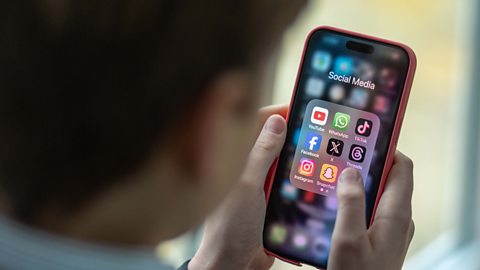
Facebook, X, Instagram, TikTok and Snapchat help people keep in touch with friends, trends and the news.
They’re amazing social tools.
As well as providing entertainment, students can also gather and develop information which can help with schoolwork.
Social media has even become a place to shop and many people have built careers through it.
But, like most enjoyable things, social media comes with a warning.
The images and messages which are posted are never truly erased - any offensive, sexist, racist and pornographic content could cost friends, a job or freedom.
Is it worth it?
Misuse of social media
There are an increasing number of people falling prey to catfishing — forming online relationships only to become a victim of fraud, exploitation or harassment.
Think carefully about accepting friend requests, check the person is a real-life friend.
Never give out personal details because these could be used maliciously.
Think: Would the content found on a personal social media page be something that could be used against the individual in the future?
If the answer is yes, do not post it!
More on Personal safety
Find out more by working through a topic
- count2 of 4

- count3 of 4
- count4 of 4