Quizzes - Higher Business Management
Quiz: Types of organisations - Higher
This interactive quiz on types of organisations is for Higher Business Management students studying understanding business.
Quiz: Methods of growth - Higher
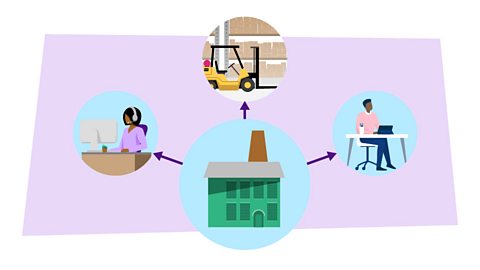
This interactive quiz on methods of growth is for Higher Business Management students studying understanding business.
Quiz: Ways to achieve growth - Higher
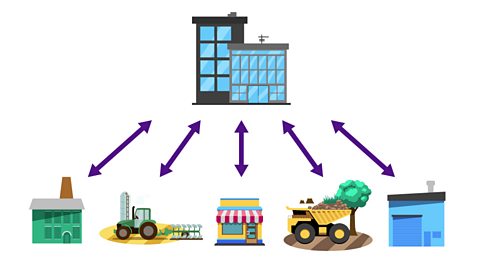
This interactive quiz on ways to achieve growth is for Higher Business Management students studying understanding business.
Quiz: Organisational structures - Higher
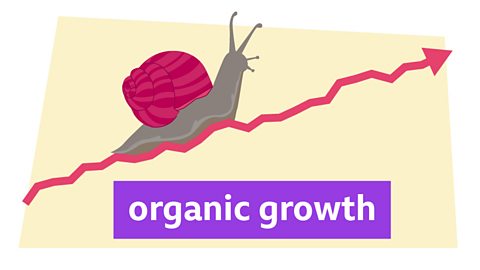
This interactive quiz on organisational structures is for Higher Business Management students studying understanding business.
Quiz: Organisational groupings - Higher
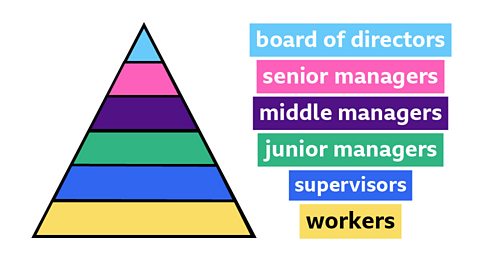
This interactive quiz on organisational groupings is for Higher Business Management students studying understanding business.
Quiz: Decision making - Higher
This interactive quiz on decision making is for Higher Business Management students studying understanding business.
Quiz: Market research - Higher
This interactive quiz on market research is for Higher Business Management students studying marketing.

Quiz: Product - Higher
This interactive quiz on product is for Higher Business Management students studying marketing.

Quiz: Price - Higher
This interactive quiz on price is for Higher Business Management students studying marketing.

Quiz: Place - Higher
This interactive quiz on place is for Higher Business Management students studying marketing.
Quiz: Promotion - Higher
This interactive quiz on promotion is for Higher Business Management students studying marketing.
Quiz: People - Higher
This interactive quiz on people is for Higher Business Management students studying marketing.

Quiz: Process - Higher
This interactive quiz on process is for Higher Business Management students studying marketing.
Quiz: Physical evidence - Higher
This interactive quiz on market research is for Higher Business Management students studying marketing.

Quiz: Inventory management systems - Higher
This interactive quiz on inventory management systems is for Higher Business Management students studying operations.
Quiz: Methods of production - Higher
This interactive quiz on methods of production is for Higher Business Management students studying operations.
Quiz: Quality control - Higher
This interactive quiz on quality control is for Higher Business Management students studying operations.

Quiz: Ethics and the environment - Higher
This interactive quiz on ethics and the environment is for Higher Business Management students studying operations.

Quiz: Workforce planning - Higher
This interactive quiz on workforce planning is for Higher Business Management students studying people.
Quiz: Training and development - Higher
This interactive quiz on training and development is for Higher Business Management students studying people.
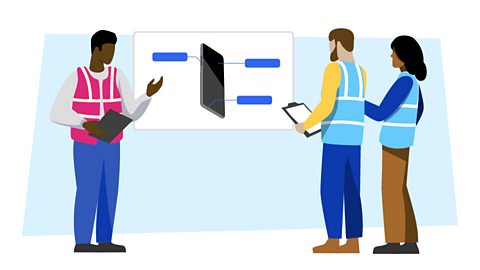
Quiz: Motivation and leadership - Higher
This interactive quiz on motivation and leadership is for Higher Business Management students studying people.

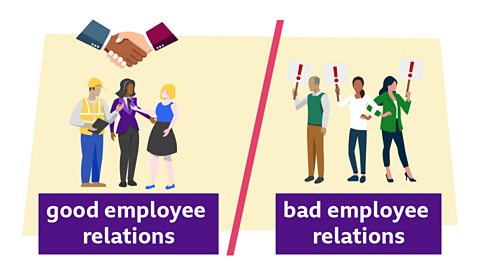
Quiz: Employee relations and legislation - Higher
This interactive quiz on employee relations and legislation is for Higher Business Management students.
Quiz: Sources of finance - Higher
This interactive quiz on sources of finance is for Higher Business Management students studying finance.
Quiz: Cash budgets - Higher
This interactive quiz on cash budgets is for Higher Business Management students studying finance.

Quiz: Cash budgets - Higher
This interactive quiz on financial statements is for Higher Business Management students studying finance.
Quiz: Ratios - Higher
This interactive quiz on ratios for Higher Business Management students studying finance.
Understanding business
Role of business in society
A business aims to satisfy customers’ needs and wants. Businesses operate in the private, public or third sectors of the economy and in the primary, secondary, tertiary or quaternary sectors of industry.
Types of organisations
Different types of organisation have different advantages and disadvantages. These must be considered when owners decide on which form their organisation should take.

Objectives
Businesses have different aims and objectives that can change over time.

Methods of growth
Business growth has potential benefits and drawbacks. Some owners are reluctant to take the risk of growing the business and opt to stay small. Any business growth will need to be funded.

Internal factors
Internal factors can influence the operations of a business both positively and negatively. The main internal factors are corporate culture, staffing, finance and technology.

External factors
Businesses can’t control external factors but must respond to them. These political, economic, social, technological, environmental and competitive factors are represented by the acronym PESTEC.
Stakeholders
Businesses have different types of internal and external stakeholders, with different interests and priorities. Sometimes these interests can conflict.
Structures
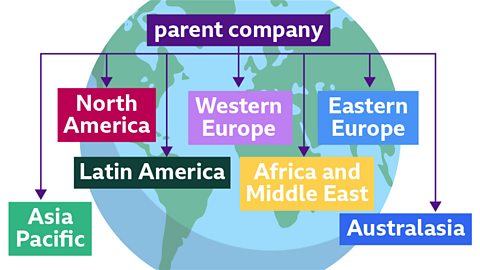
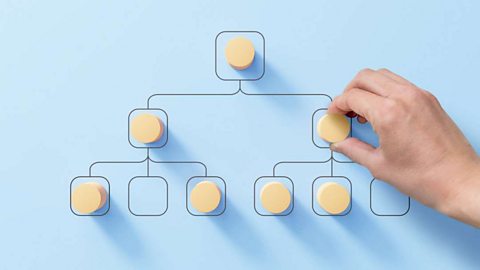
When hiring large numbers of staff, organisation is important. Everyone within the company needs to understand their role in the business' structure.
Decision making
Decisions are part of the manager's remit. The three main types of decisions are - strategic, tactical and operational.

Marketing
Customer
Businesses can be market-led or product led. Different strategies are used to target habitual, informed and impulsive consumer behaviour.

Market research
It is important to establish consumers' needs before launching a new product. A business conducts market research to help identify gaps in the market and business opportunities.

Marketing mix
A company needs to consider the marketing mix in order to meet their consumers' needs effectively. This is made up of product, price, place, promotion, people, process, physical evidence.

Product
A business can adjust the features, appearance and packaging of a product to create competitive advantage.

Price
A business must take many factors, including production costs, competition and demand, into account before deciding on the price of a product.

Place
As part of its marketing strategy, a company needs to decide where best to distribute a product.
Promotion
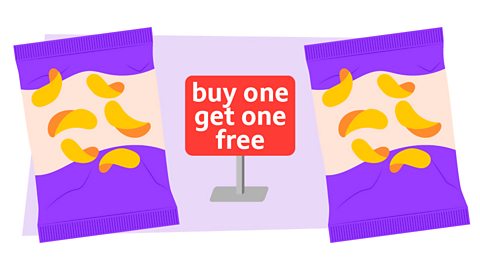
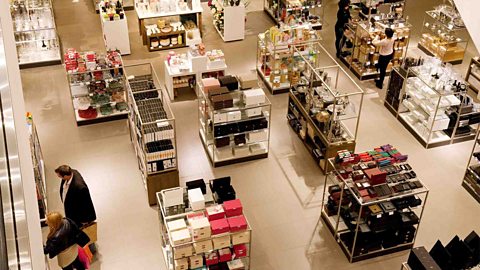
Businesses use promotion methods to make customers aware of their products and services. Promotion methods are highly competitive and usually expensive.

People
The people that a customer comes into contact with, and the service they provide can have a direct effect on customer satisfaction and loyalty.

Process
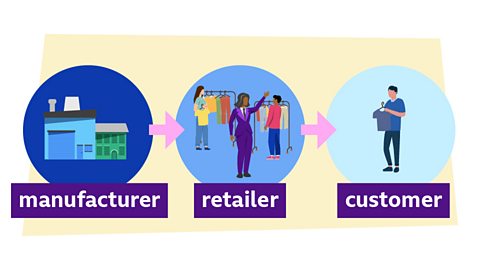
Once a product is made it still has to reach the retailers or wholesalers and finally the end user, the consumer. This is where systems and procedures come in.
Physical evidence
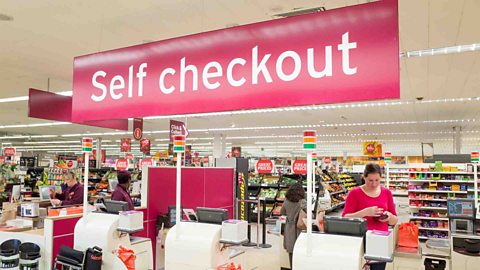
The physical evidence element of the marketing mix refers to the physical environment experienced by the customer. This could mean the design and layout of a shop or website.

Technology in marketing
Over the last 20 years many new technologies have entered the world of work which have had a significant impact on business.

- 2 videos
Operations
Methods of production
All production operations combine the two factors of labour and capital. The importance of labour and capital to a specific business are described in terms of their intensity.

Quality
Revise for your Business Manager Higher with this Bitesize study guide. We'll look at what good quality means - ensuring quality means making sure that products are made to a minimum standard or better. Good customer service is valuable and can lead to increased sales. Find out more about quality standards and symbols, and benchmarking.
Inventory management
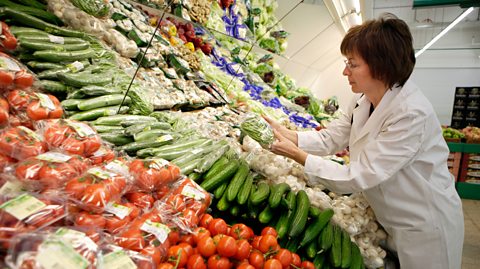
Managing and storing stock effectively is important for a business in order to maintain production and sales. Learn more about what stock is, inventory storage and warehousing, and inventory management.

Ethics and the environment
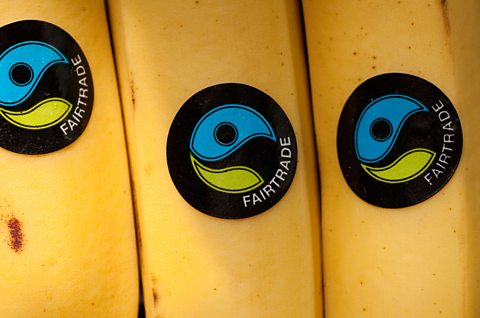
Businesses can choose to work in a way that profits only the owners or in ways that benefit the community. Working ethically means acting in ways that are both fair and honest. Ethical businesses try to minimise their impact on the environment.
Technology in operations
Technology such as computer-aided design and computer-aided manufacture is used to make operations more efficient.

People
Workforce planning
Employees have a direct effect on the success of an organisation. The different stages of recruitment and selection must be considered when choosing people to work within an organisation.

Training and development
It is important that businesses invest in training and development to enhance staff skills. The type of training offered can have different costs and benefits to an organisation.

Motivation and leadership
Companies can motivate employees to do a better job with incentives such as increased pay or improved working conditions. Motivational theories suggest ways to encourage employees to work harder.
Legislation
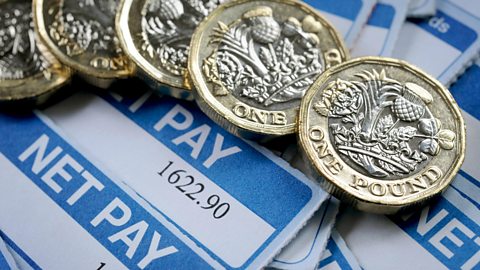
Employers need to follow certain laws and procedures in order to protect their staff and customers.

Employee relations
Effective communication is important both within an organisation and externally and it can improve business efficiency.

Technology in management of people
Technology is used in many different ways to improve recruitment and how an organisation manages their staff.

Finance
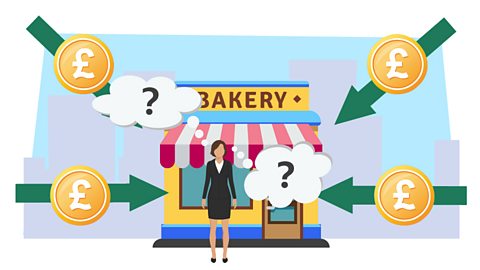
Sources of finance
All businesses need finance, whether for starting up, running themselves day-to-day or expanding. There are a number of funding sources used by organisations.
Cash budget
Businesses need to manage their cash flow to enable them to operate effectively. It is important to be able to interpret a cash budget and justify suitable solutions to cash flow problems.
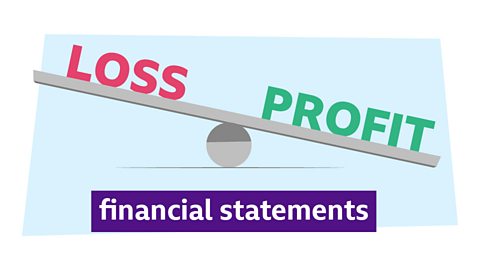
Financial statements
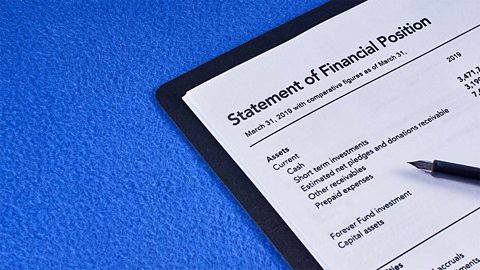
A business keeps various types of financial records to monitor its performance and ensure that taxes are paid. These include income statements and statements of financial position.
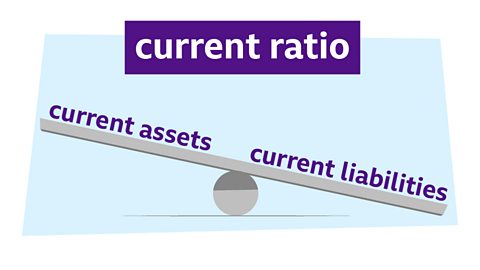
Ratios
It is often necessary to compare a firm's performance or different organisations' performance over a number of years. Ratio analysis can be used to compare the year to year profitability, liquidity and efficiency of a business or similar businesses.

Technology in finance
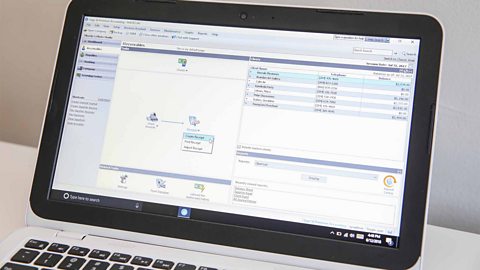
Technology, such as spreadsheets and BACS payments, is used in many different ways to improve finance systems.
- 2 videos
