Quizzes - Higher Chemistry
Quiz: Periodicity
Test your knowledge of periodicity in this interactive Higher chemistry quiz.
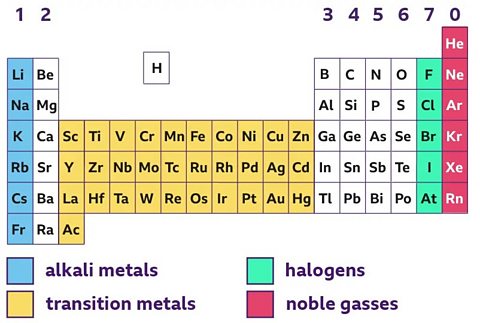
Quiz: Structure and bonding
Test your knowledge of chemical structures and bonds in this Higher chemistry quiz.
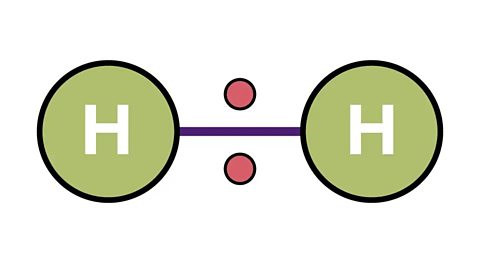
Quiz: Intermolecular forces
Test your knowledge of intermolecular forces in this interactive Higher chemistry quiz.
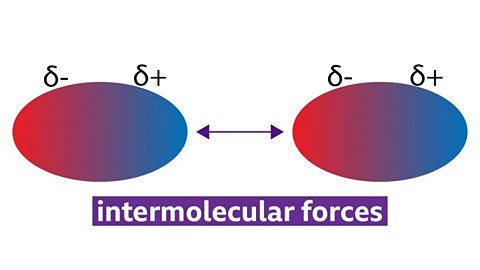
Quiz: Oxidising and reducing agents
Test your knowledge of oxidising and reducing agents in this Higher chemistry quiz.
Quiz: Systematic carbon chemistry
Test your knowledge of systematic carbon chemistry, alcohols and carboxylic acids in our Higher chemistry quiz.
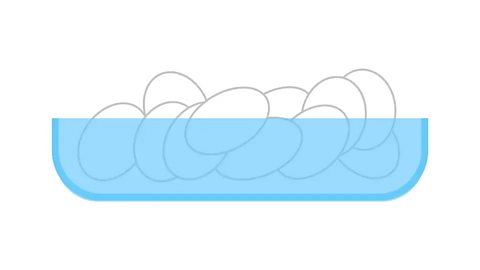
Quiz: Esters, fats, and oils
Test your knowledge of esters, fats, and oils in this interactive Higher chemistry quiz.
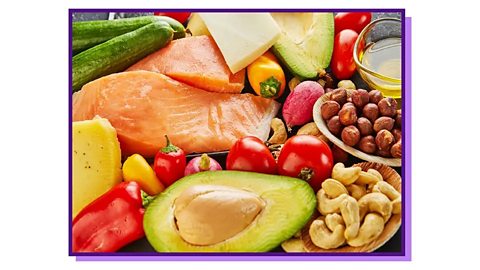
Quiz: Soaps, detergents, and emulsions
Test your knowledge of soaps, detergents, and emulsions in this Higher chemistry quiz.
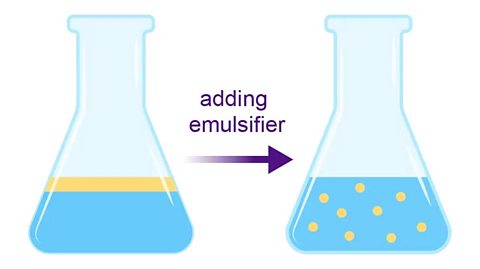
Quiz: Proteins
Test your knowledge of proteins in this interactive Higher chemistry quiz.
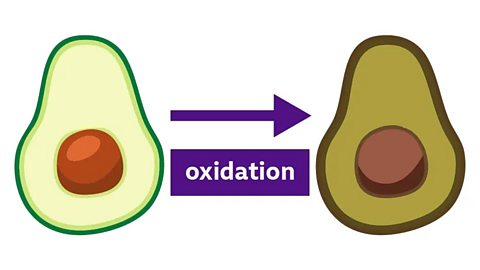
Quiz: Oxidation of foods
Test your knowledge of oxidation of foods in this Higher chemistry quiz.
Quiz: Fragrances
Test your knowledge of fragrances in this interactive Higher chemistry quiz.
Quiz: Skin care
Test your knowledge of skin care in this Higher chemistry quiz.
Quiz: Getting the most from reactants (part 1)
Test your knowledge of getting the most out of reactants in the first part of this Higher chemistry quiz.
Quiz: Getting the most from reactants (part 2)
Test your knowledge of getting the most from reactants in the second part of this Higher chemistry quiz.
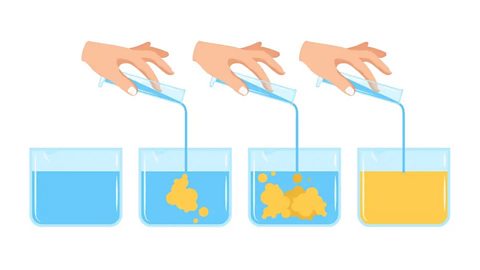
Quiz: Controlling the rate
Test your knowledge of controlling the rate of reaction in this Higher chemistry quiz.
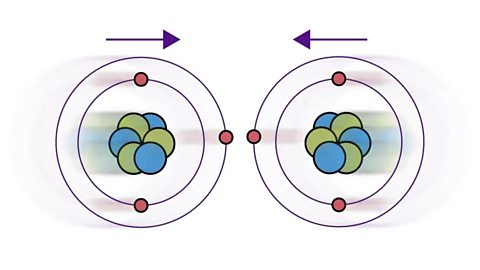
Quiz: Chemical energy
Test your knowledge of chemical energy in this interactive Higher chemistry quiz.
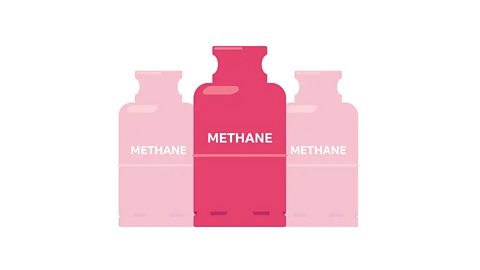
Quiz: Equilibria
Test your knowledge of equilibria in this interactive Higher chemistry quiz.
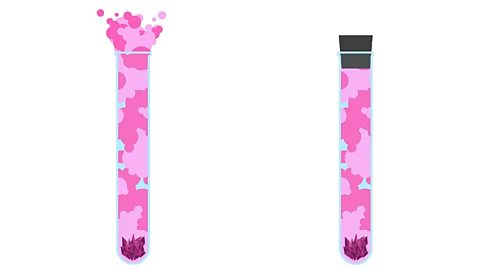
Quiz: Chemical analysis
Test your knowledge of chemical analysis in this Higher chemistry quiz.
Quiz: Researching chemistry
Test your knowledge of researching chemistry in this Higher chemistry quiz.
Quiz: Numeracy
Test your knowledge of numeracy in this interactive Higher chemistry quiz.
Quiz: Thinking skills
Test your knowledge of thinking skills in this interactive Higher chemistry quiz.
Quiz: Problem solving
Test your problem solving knowledge in this interactive Higher chemistry quiz.
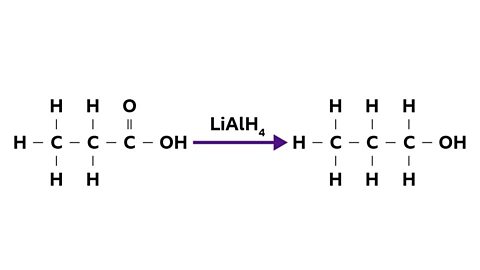
Revision guides: Chemical changes and structure
Revise: Periodicity
The periodic table arranges all chemical elements in special ways. Different types of chemical bonding, and patterns and trends can be observed in their arrangement.

Revise: Structure and bonding
Elements are held together in different ways and the properties of chemical compounds are determined by the bonding between atoms and the attractive intermolecular forces between molecules.

Revise: Oxidising and reducing agents
Reducing agents donate electrons while oxidising agents gain electrons. Both have various applications in chemistry. Redox reactions involve both reduction and oxidation taking place.

Video: The uses of polymers. Video
An explanation of what polymers are and some of their uses.
Revision guides: Chemistry in society
Revise: Getting the most from reactants
Chemical processes are designed to provide the best profit and yield of product while minimising waste. Calculations based on equations give information on the yield and atom economy of processes.
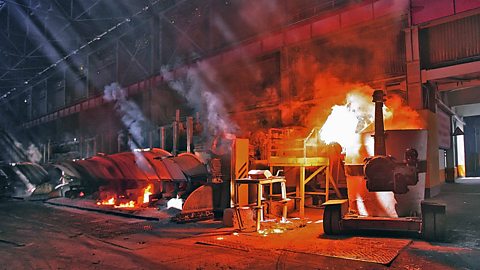
Revise: Controlling the rate
Chemists must control the rate of reactions to ensure that processes are both economical and safe. Reaction pathway diagrams display information about the energy changes during chemical reactions.
Revise: Chemical energy
Energy changes occur in chemical reactions as bonds are broken and new bonds formed. Enthalpy changes can be calculated from experimental data, and are independent of the route taken (Hess's Law).
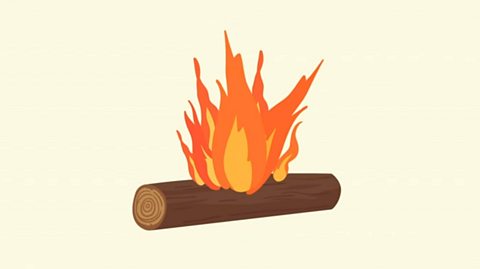
Revise: Equilibria
Reversible reactions in closed systems reach equilibrium where the rates of forward and reverse reactions are constant. Pressure, concentration and temperature all affect the equilibrium position.
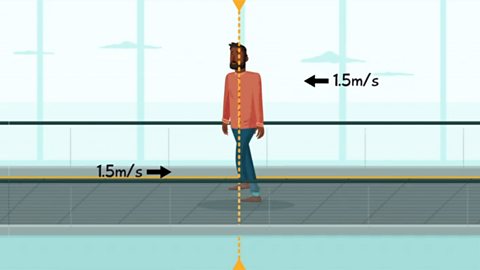
Revise: Chemical analysis
Chromatography is a useful separation technique. Various methods are available such as paper, TLC and gas. Volumetric titrations provide important information about the concentration of chemicals.
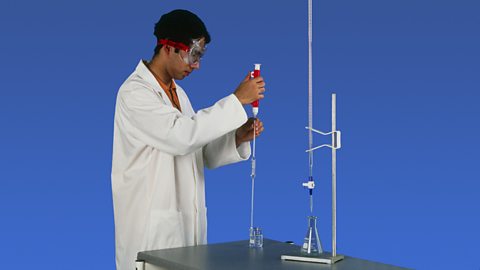
Revise: Nature's chemistry
Revise: Systematic carbon chemistry
Carbon chemistry involves many different families of compounds and the reactions needed to interchange them. Understanding the properties of different compounds caused by functional groups and intermolecular forces is important.
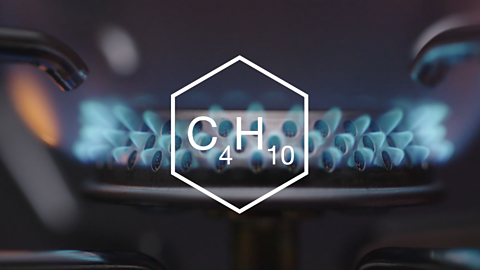
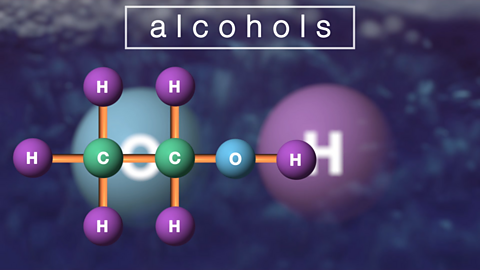
Revise: Alcohols
Alcohols are an important class of compounds containing the hydroxyl functional group. There are three classes of alcohols; primary, secondary, and tertiary.
Revise: Carboxylic acids
A common carboxylic acid is ethanoic acid, vinegar. Carboxylic acids are weak acids that react in the same way as other acids. They are responsible for the rancid flavour and smell of off food.

Revise: Esters, fats and oils
Esters are formed in condensation reactions and broken by hydrolysis. Fats and oils, important compounds in our diet, are naturally occurring esters and their structure explains their properties.
Revise: Soaps, detergents and emulsions
Soaps and detergents contain both hydrophobic and hydrophilic parts to dissolve in grease and water. Emulsifiers prevent emulsions from separating to spoil food.
Revise: Proteins
Proteins are condensation polymers, made of amino acid monomers and are hydrolysed by our bodies. Aldehydes and ketones are compounds with carbonyl groups that play an important role in our foods.

Revise: Oxidation of food
Primary alcohol molecules can be oxidised into aldehydes and carboxylic acids while secondary alcohols are oxidised to ketones. Antioxidants are added to food to prevent them spoiling.
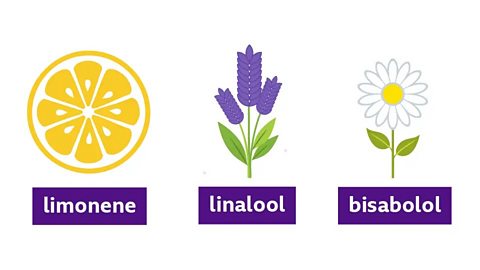
Revise: Fragrances
Essential oils that are extracted from plants contain unsaturated hydrocarbon compounds called terpenes.

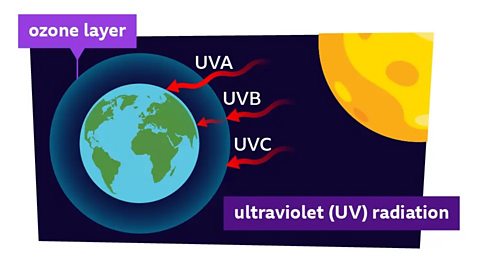
Revise: Skincare
UV light from the sun can damage our skin and break down DNA in free radical reactions.

- 3 videos
Exam and assignment
Higher Chemistry - Exam skills
Advice on tackling both the multiple choice and written papers of the Higher Chemistry exam.
Higher Chemistry Assignment
The Higher Chemistry assignment involves carrying out an experiment, comparing it to related research from literature or the internet and compiling this into a report.

Links
- External linkExternal link
- External linkExternal link
- External linkExternal link
- External linkExternal link
