Leisure, the theatre and pastimes
Learn more about Elizabethan culture and the golden age in this podcast.
Listen to the full series on BBC Sounds.
Theatre
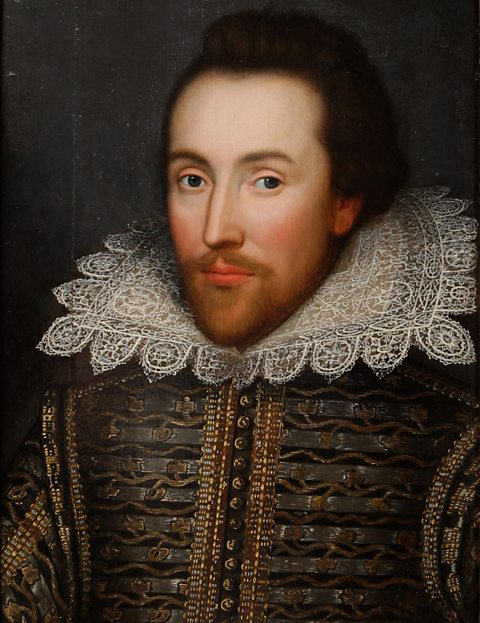
William Shakespeare
Shakespeare wrote most of his plays during Elizabeth’s reign, in what was considered a ‘golden age’ of culture, with the theatre becoming very popular during this time.
Purpose-built theatres were encouraged and had tiered seating with prices accessible for people from all ranks of society. Many nobles protected groups of actors and became their A wealthy and powerful individual who protected others by giving them money or jobs..
Opposition to the theatre
Not everyone approved of theatres. There was some opposition from:
- The Strict Protestants who wanted to get rid of ritual in church services and lead a plain and simple life. - they believed theatres were the work of the devil, spreading rude and lewd ideas encouraging poor moral behaviour. They also associated the theatre with the Romans, who had persecuted Christians.
- The Those with the power or rights to give orders, make decisions and enforce obedience. - an extract from a law passed in 1572 stated that: “All common players…who wander about and have not a license shall be taken, adjudged and deemed rogues, A wandering beggar who often turned to crime. Vagabonds were seen as a serious threat to the social order. and sturdy beggars.”
Pastimes
By Elizabeth’s time the upper classes saw their culture as superior. Huge inequalities existed within Tudor society and whilst the theatre was universally popular there were two cultures;
- Higher society - the invention of the printing press and spread of education meant that gentlemen were part of an elitist culture involved in intellectual pursuits, such as reading the classics, studying music, hunting and A popular sport with the Elizabethan elite that involved hunting with trained birds of prey..
- Lower society - the vast majority were involved in popular cultural pursuits, which gave them a brief escape from their harsh living conditions. Inns and taverns were an important part of every social ritual. Drinking, gambling on bear-baiting, cockfighting, cards, dice and racing were popular. Tobacco smoking was new and expensive but grew in popularity during Elizabeth’s reign. Ordinary people also took part in wrestling, running races and football.
