Religion and daily lives
Catholics
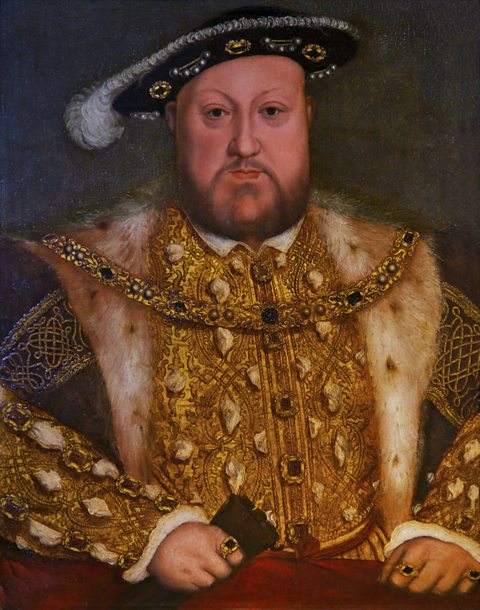
In the 16th century England was divided by religion. The country had been a Roman Catholic country for nearly a thousand years until Henry VIII’s reign where, over a 20 year period, the country’s religion had changed three times, causing tension and divisions.
When Elizabeth ascended the throne she had changed the official religion to Protestantism, but also outlined a religious settlement that allowed some Catholic traditions to be practiced. The law-making body of a country. helped by passing the A law passed in 1559 that recognised Elizabeth I as the supreme governor of the Church of England. and the A law passed in 1559 that reinstated the English book of common prayer and said all services were required to follow the order of prayer.. In 1581 a new law was passed against Catholics which strengthened the earlier Acts.
Elizabeth’s tolerant ‘middle-way’ had broad support, but she did face threats and plots from Catholics and Strict Protestants who wanted to get rid of ritual in church services and lead a plain and simple life., both from within and outside her kingdom, with Mary, Queen of Scots becoming a figure head for Catholic plots, such as the Babington Plot in 1586.
Daily lives
The Elizabethans believed that God had set out an order for everything, known as the Great Chain of Being. This also included the order of society and your place in it. The queen was at the top and controlled wealth and life chances, and inequalities further down the chain were accepted.
England remained a A society in which men hold the power and control. even though it was ruled by a queen. More recently historians have found that women did have some freedom and earlier views on Elizabethan family life have been challenged.
Poverty was mostly considered to be your own fault in Elizabethan times, but during Elizabeth’s reign a shift in attitudes due to growing poverty and a fear of social unrest led to the Poor Laws. These were introduced as measurements to support the poor and unemployed, and were the first form of welfare.
