The aims of the Welfare State
The wartime government
Throughout World War Two, the country was governed by a coalition of Labour, Conservative, and Liberal politicians. During the war, the government became much more involved in people's lives:
- as part of the war effort, it organised the rationing of foodstuffs, clothing and fuel
- it gave extra milk and meals to expectant mothers and children
- most people welcomed this intervention and wanted it to go further
The government was seen to be taking an active interest in providing for the welfare of the people.
The war greatly affected how people in Britain lived their lives. As well as the huge loss of lives suffered, the people of Britain had to endure rationing, bombing, and evacuations. This helped change their attitudes towards each other and to poverty.
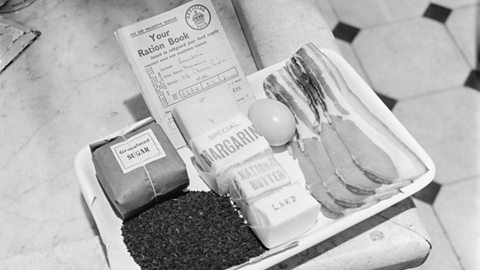
Rationing helped change attitudes:
- everyone was limited to buying a certain amount of goods
- it created a sense of sharing and cooperation in Britain
- it became accepted that the government was more involved in people’s health and food intake
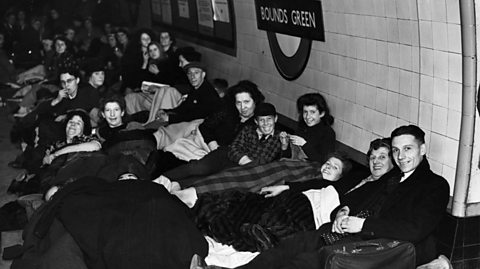
Bombing helped to change attitudes:
- civilians helped each other construct shelters
- they would check to see if families needed help after a raid
- a community spirit developed where people helped each other
- this attitude continued after the war and resulted in new laws being passed
Evacuation helped to change attitudes:
- working class children mixed with more affluent families
- upper and lower class citizens were brought closer together
- it highlighted that severe poverty still existed in the cities after the reforms of the early 1900s
Even before the wartime Coalition Government had come to an end, work had started on some of William Beveridge's ideas:
- in 1943 a ministry to supervise insurance was set up
- in 1944 a new Education Act was passed
- in 1945 family allowances were agreed
- temporary homes were built at state expense for some of Britain's homeless
