Themes
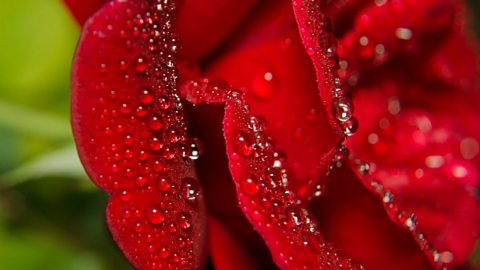
‘Envy’ uses images from nature to explore human emotions
A number of unifying ideas or Central, unifying idea(s) that run through a text. run through the poem. Different readers may attach more or less significance to each of these themes, depending upon how they view the poem.
| Theme | Evidence | Analysis |
| Nature: The poem uses images from the natural world to explore human emotions. | 'With care and culture all may find/ Some pretty flower in their own mind'. | Several beautiful flowers are mentioned in addition to the rose (violet, lily, mignionet) suggesting it would be foolish of the rose to compare itself to them as it has its own beauty. This idea is used to suggest that if humans spend their time being jealous of others, they will not appreciate their own qualities. |
| Blindness: Someone who is unaware of their own good qualities. | 'Like such a blind and senseless tree/ As I've imagined this to be' | Envy is presented as having the power to blind us to the good in our own selves. |
| Theme | Nature: The poem uses images from the natural world to explore human emotions. |
|---|---|
| Evidence | 'With care and culture all may find/ Some pretty flower in their own mind'. |
| Analysis | Several beautiful flowers are mentioned in addition to the rose (violet, lily, mignionet) suggesting it would be foolish of the rose to compare itself to them as it has its own beauty. This idea is used to suggest that if humans spend their time being jealous of others, they will not appreciate their own qualities. |
| Theme | Blindness: Someone who is unaware of their own good qualities. |
|---|---|
| Evidence | 'Like such a blind and senseless tree/ As I've imagined this to be' |
| Analysis | Envy is presented as having the power to blind us to the good in our own selves. |
