Themes
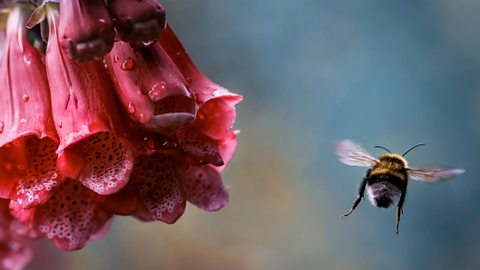
The natural world is a key theme of 'To Autumn'
A number of unifying ideas or Central, unifying idea(s) that run through a text. run through the poem. Different readers may attach more or less significance to each of these themes, depending upon how they view the poem.
| Theme | Evidence | Analysis |
| The natural world: unsurprisingly, in a poem about autumn there are references made to fruits, vegetables, flowers, trees and other vegetation. Animals are represented by various birds, insects and 'full-grown lambs'. | ‘Hedge-crickets sing, and now with treble soft/ The redbreast whistles from a garden-croft;/ And gathering swallows twitter in the skies’ | The closing section of the poem is alive with the noises that various birds and insects make, reminding the reader that though the year may be drawing to a close, life still goes on. |
| Ripeness: autumn is seen as a time when the fruit is ready for picking and the grain for harvesting. It is a time to prepare for the onset of winter. | ‘To swell the gourd, and plump the hazel shells/ With a sweet kernel’ | The active verbs (‘swell’ and ‘plump’) emphasise that everything is at its best and ready for mankind’s use. |
| Time passing: as well as the seasons themselves, direct or indirect reference is made to the passing of days, hours and to whole lives. | ‘While barrèd clouds bloom the soft-dying day’ | The coming of twilight highlights the passing of another day. In the same way the speaker’s life continues to head towards death. |
| Theme | The natural world: unsurprisingly, in a poem about autumn there are references made to fruits, vegetables, flowers, trees and other vegetation. Animals are represented by various birds, insects and 'full-grown lambs'. |
|---|---|
| Evidence | ‘Hedge-crickets sing, and now with treble soft/ The redbreast whistles from a garden-croft;/ And gathering swallows twitter in the skies’ |
| Analysis | The closing section of the poem is alive with the noises that various birds and insects make, reminding the reader that though the year may be drawing to a close, life still goes on. |
| Theme | Ripeness: autumn is seen as a time when the fruit is ready for picking and the grain for harvesting. It is a time to prepare for the onset of winter. |
|---|---|
| Evidence | ‘To swell the gourd, and plump the hazel shells/ With a sweet kernel’ |
| Analysis | The active verbs (‘swell’ and ‘plump’) emphasise that everything is at its best and ready for mankind’s use. |
| Theme | Time passing: as well as the seasons themselves, direct or indirect reference is made to the passing of days, hours and to whole lives. |
|---|---|
| Evidence | ‘While barrèd clouds bloom the soft-dying day’ |
| Analysis | The coming of twilight highlights the passing of another day. In the same way the speaker’s life continues to head towards death. |
Question
How does Keats demonstrate the power of nature?
- Keats focuses on the life and goodness which nature produces.
- He uses rich vibrant language to describe the sights and sounds he encounters.
- Although the year is gradually drawing to a close, there are hints of a new life cycle which will begin again and bring fresh life.
