The need for rationing
During wartime, it was important to bring in price controls to prevent profiteering, but also to ensure that Britain did not run out of the necessary items. Britain’s supplies, many of which were transported by merchant ships, were also at risk from German U-boat attacks. In March 1942 alone, the Germans sank 275 ships.
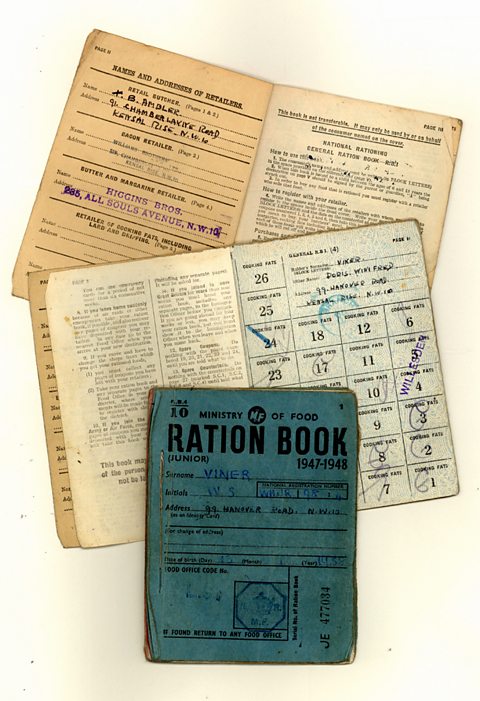
Basic food items, eg meat, butter and sugar were rationed from January 1940. People could not purchase goods without the rations coupons.
Effects of rationing
Many people resented having restrictions on the amount they could purchase. Some manual labourers, including miners were given extra rations, and care was taken to ensure that items such as milk and cod liver oil were offered to children and the elderly.
Rationing of some food items actually lasted for 14 years. Interestingly, rationing improved the diets of many people as rationing listed a weekly list of specified food items and some people actually ate healthier food as a result.
Illegal trading in goods. became a problem as some sellers sold these rationed items at much higher prices. These people To make full use of, or to take advantage of. rationing.