Humanitarian concerns
Horrors of the middle passage
Conditions for enslaved people on the Atlantic crossing were horrific:
- Disease was common on ships – eg dysentery due to poor sanitary conditions
- Lack of fresh air. Enslaved people were held for long periods below deck
- Crew were often cruel towards slaves
- Enslaved women and girls often suffered sexual abuse from the crew
- Food was limited and unfamiliar to enslaved people eg flour, biscuits, beans
- Slaves were taken above deck and whipped to make them exercise
- Deaths of enslaved people were often a result of suicide as they could no longer endure the conditions eg some jumped overboard
- The ship's crew often threw enslaved people who were sick overboard to protect the rest of the crew and cargo
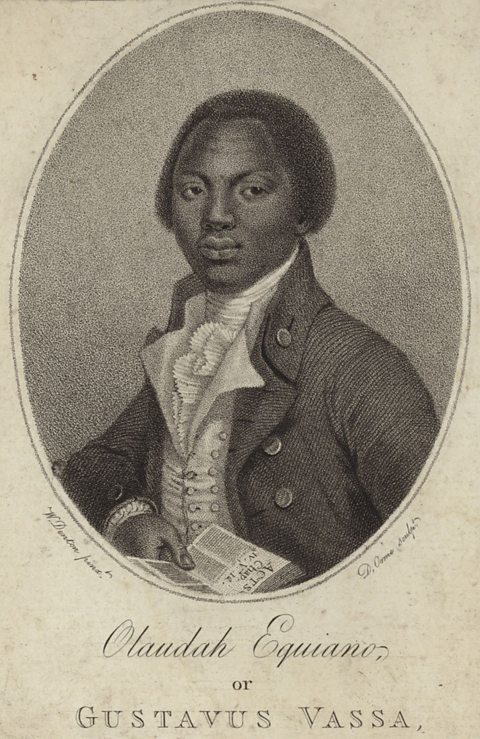
The formerly enslaved Africa Olaudah Equiano recorded how when the ship was fully laden with cargo, they were all put under deck and:
...the stench of the hold, the heat and the crowding, which meant that each had scarcely room to turn, almost suffocated us. The air soon became unfit for respiration, from a variety of loathsome smells, and brought on a sickness among the slaves, of which many died. This wretched situation was aggravated by the rubbing of the chains and the filth of the lavatory tubs into which children often fell. The shrieks of the women, and the groans of the dying, rendered the whole scene of horror almost inconceivable.
The horrific conditions in the Atlantic crossing arose from a combination of:
- the drive for profits
- the fear of slave revolt
- the nature of sailing technology at the time
