Media in China
The Chinese media is one of the most heavily controlled in the world ranking 177 out of 180 according to the Index of Press Freedom (2023).
Extensive censorship is used to control information across all media outlets including news, the internet and social media. Pressure in the form of libel lawsuits and arrests is put upon Chinese journalists and people in the media by the government.
The Chinese authorities have spent millions on technology that restricts internet freedom. Many global websites, including Facebook, Twitter, BBC, CNN and global news outlets are blocked and there are more than 60 regulations that limit access to the internet. As well as blocks on certain websites, eg those mentioning human rights or Tibet, critical comments that appear on discussion forums or blogs are quickly removed.
China has been described as building a 'Great Internet Firewall'. More than 30,000 'internet police' oversee internet cafes or internet content. Many 'cyber-dissidents' have been arrested after calling for reform or for making comments that are critical of the authorities.
Over a dozen government bodies are involved in the regulation of information within China. In particular, the CCP’s Central Propaganda Department works with the General Administration of Press and Publication and the State Administration of Radio, Film and Television to make sure all content fits their political beliefs and ideals. (Source: Council on Foreign Relations)
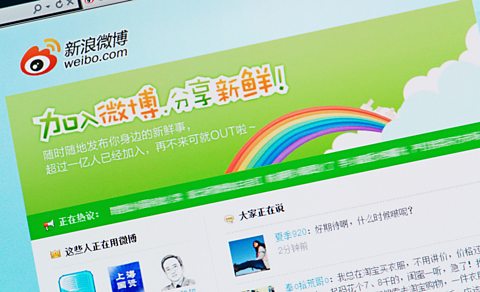
Although there are many restrictions, social media site Weibo has emerged in China as a popular platform for people to post views, make connections and network.
Although TikTok was created by the Chinese company, Bytedance, it is not possible to access it in China. People in China have to use a similar app called Douyin. This means that Chinese people cannot access many of the videos shared in other countries.
