Elizabeth’s main advisers
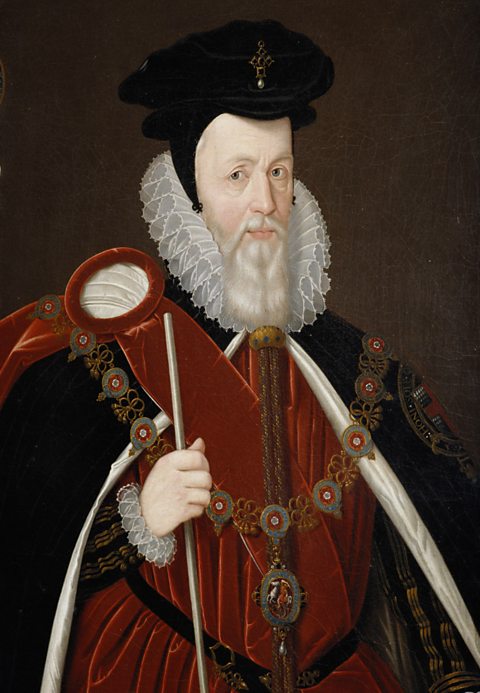
William Cecil
Elizabeth appointed Cecil as the The senior member of the Privy Council. in 1558. He was her most important A clergyman or a head of a government department. and guided her wisely for 40 years.
He was a moderate Protestant, and served as a link between the monarch and parliament. In 1571 he received the title Lord Burghley.
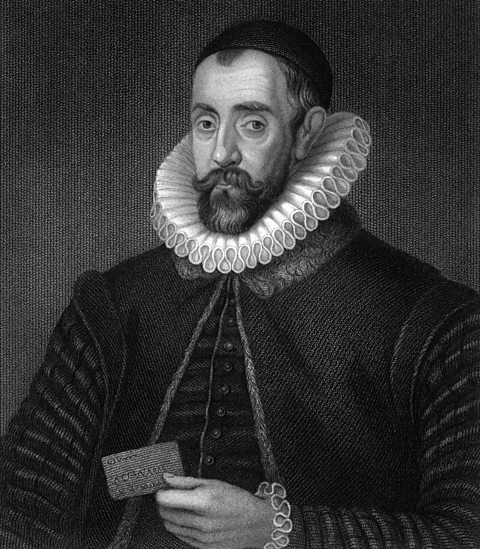
Sir Francis Walsingham
He was a devout Puritan, in charge of Elizabeth’s secret service and advised on The policy of dealing with other countries or with overseas activities.. In 1586, he uncovered the plot that led to Mary, Queen of Scots’ execution.
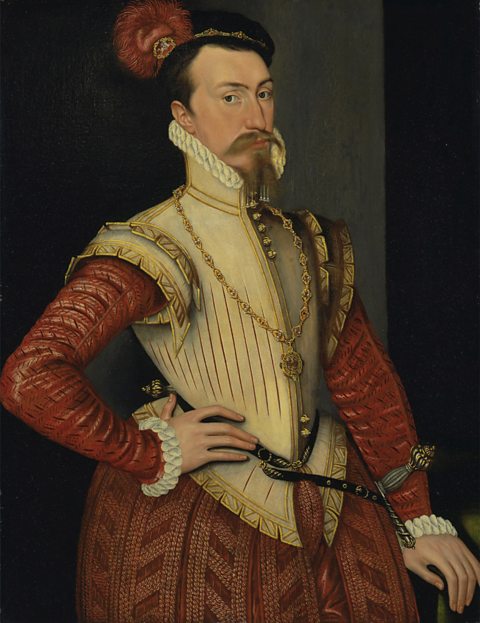
Robert Dudley
Earl of Leicester and a trusted adviser until he died in 1588. He and Elizabeth were very close and there were rumours that he and Elizabeth were lovers.
He was a Puritan and did not get on well with Cecil, often giving rival advice to the Queen.
Another two prominent councillors were:
- Sir Christopher Hatton, a moderate Protestant, who was appointed Lord Chancellor in 1587.
- Robert Devereux, the 2nd Earl of Essex, who enjoyed the Queen’s favour during the 1590s but often quarrelled with her. He was involved in a plot to remove some of the Queen’s councillors, leading to his rebellion in 1601, for which he was executed.
